
Finding a balance between doing good deeds and quiet reflection is hard for many today. The sixteenth sunday in ordinary time homily shows us how to keep our spiritual health while doing our daily tasks.
The Bible teaches us about the value of being welcoming and listening to God before we act. Looking at the story of Mary and Martha helps us understand how to be fully present to God.
This guide shows us how to keep our spiritual energy up through regular prayer. It also helps us understand the Gospel better during this Church season. True peace comes when we first sit at the Lord’s feet, before we rush into our busy lives.
Sunday Homilies A Sunday Homilies B Sunday Homilies C
Key Takeaways
- Learn to balance active service with contemplative prayer.
- Understand the importance of listening to God before acting.
- Reflect on the biblical examples of Mary and Martha.
- Discover practical methods to recharge your spiritual life.
- Deepen your connection to the Gospel message this season.
Understanding the Sixteenth Sunday in Ordinary Time Homily
To grasp the sixteenth sunday in ordinary time homily, we must focus on Jesus’ teachings. He often visited the home of Mary, Martha, and Lazarus in Bethany. This place, just two miles from Jerusalem, was a refuge for Jesus.
The story shows a key conflict between active service and attentive listening. Martha was busy with hosting, while Mary listened to Jesus. This teaches us to put God’s Word first in our lives.
Our actions as Christians should start with prayer and silence. When we connect with Christ, our work becomes more meaningful. The sixteenth sunday in ordinary time homily reminds us to make time for God amidst our busy lives.
| Focus Area | Spiritual Priority | Practical Outcome |
|---|---|---|
| Mary’s Approach | Listening to the Word | Deep spiritual growth |
| Martha’s Approach | Serving others | Essential community care |
| Balanced Life | Christ as the foundation | Purposeful daily action |
By learning from these lessons, we can handle today’s challenges better. Putting Christ first makes every task a way to serve Him. This turns the sixteenth sunday in ordinary time homily into a practical roadmap for living each day.
The Wisdom of God in the First Reading
When preparing a sixteenth sunday in ordinary time homily, we must examine the Book of Wisdom. It shows us the true nature of the Creator. It teaches us that God’s power is not about force, but about infinite patience and care.

Reflecting on Wisdom 12:13, 16-19
The text from Wisdom 12:13, 16-19 tells us that God’s power is used gently. He could judge us instantly, but He waits for us to turn to Him. This shows His desire for our salvation.
“But though you are master of might, you judge with clemency, and with much lenience you govern us; for power, whenever you will, attends you.”
The Balance of Justice and Mercy
The sixteenth sunday in ordinary time homily often uses Psalm 86:5-6, 9-10, 15-16. It shows that God is both a judge and a source of mercy. The table below shows how these traits work together for our spiritual growth.
| Attribute | Divine Action | Human Response |
|---|---|---|
| Justice | Maintains moral order | Repentance and humility |
| Mercy | Offers forgiveness | Gratitude and trust |
| Patience | Provides time for change | Persistence in prayer |
Reflecting on these scriptures, we see God’s justice and mercy are always together. He holds us accountable to help us grow. Yet, He gives us the grace to overcome our mistakes. This delicate balance gives everyone a chance to seek His presence and find righteousness in their lives.
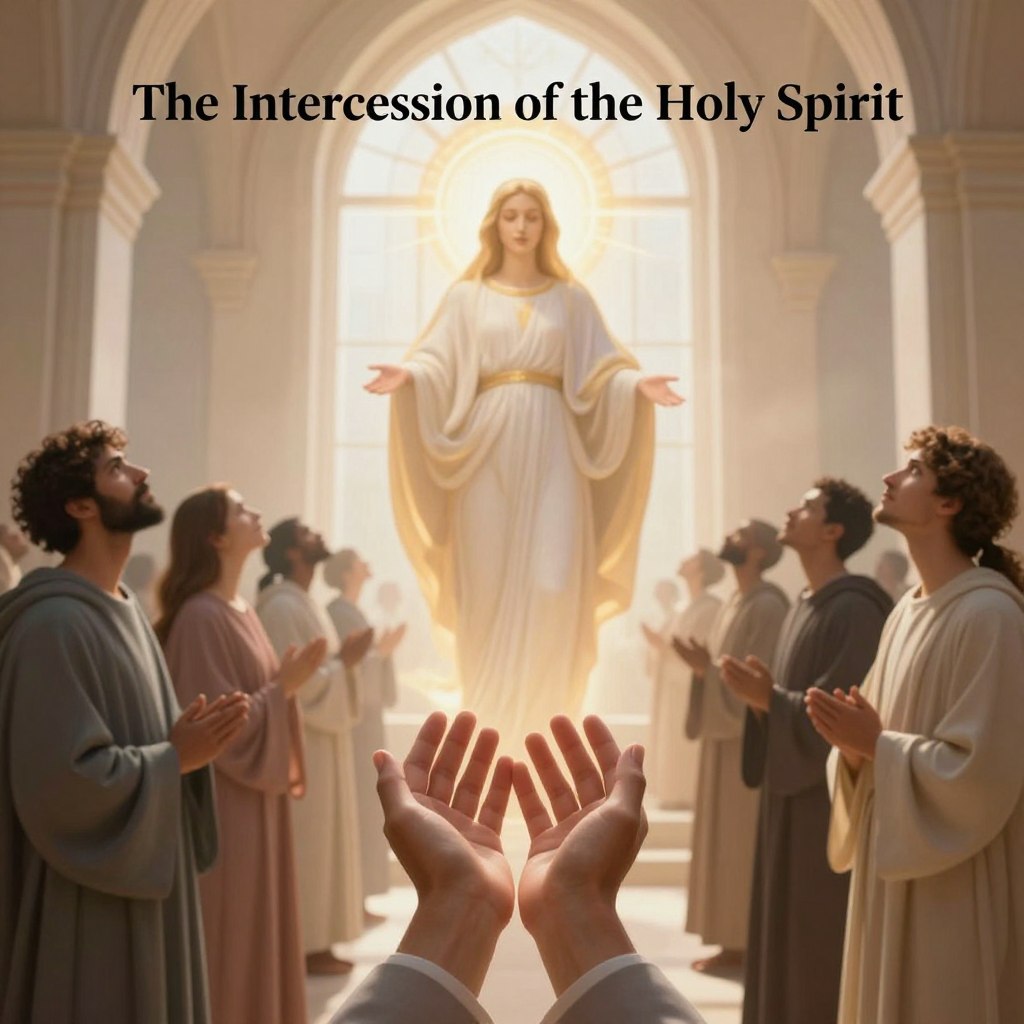
The Intercession of the Holy Spirit
When words fail, the Holy Spirit steps in. He connects our hearts to God. Many feel their prayers are not enough during tough times. A sunday sermon often reminds us that God hears our silent prayers.
Deep Dive into Romans 8:26-27
Romans 8:26-27 gives us hope. It says the Spirit helps us when we’re weak. The Spirit intercedes for us with prayers we can’t say.
God knows us better than we know ourselves. He understands our deepest desires. This knowledge brings us peace, knowing we’re connected to Him, no matter our words.
Finding Strength in Our Weakness
Trusting the Holy Spirit changes how we see our weaknesses. Instead of seeing them as a block to faith, we see them as a chance to trust more deeply in God’s grace. This trust helps us face today’s challenges.
The table below shows how the Holy Spirit helps us in tough times:
| Human Limitation | Divine Response | Spiritual Outcome |
|---|---|---|
| Inability to find words | Spirit intercedes | Clarity of heart |
| Feeling overwhelmed | Divine comfort | Renewed hope |
| Spiritual exhaustion | Inner strength | Faithful perseverance |
Believers can live with more confidence by understanding this. Whether at a sunday sermon or in quiet prayer, they know they’re never alone. The Spirit is always with them, guiding their path.
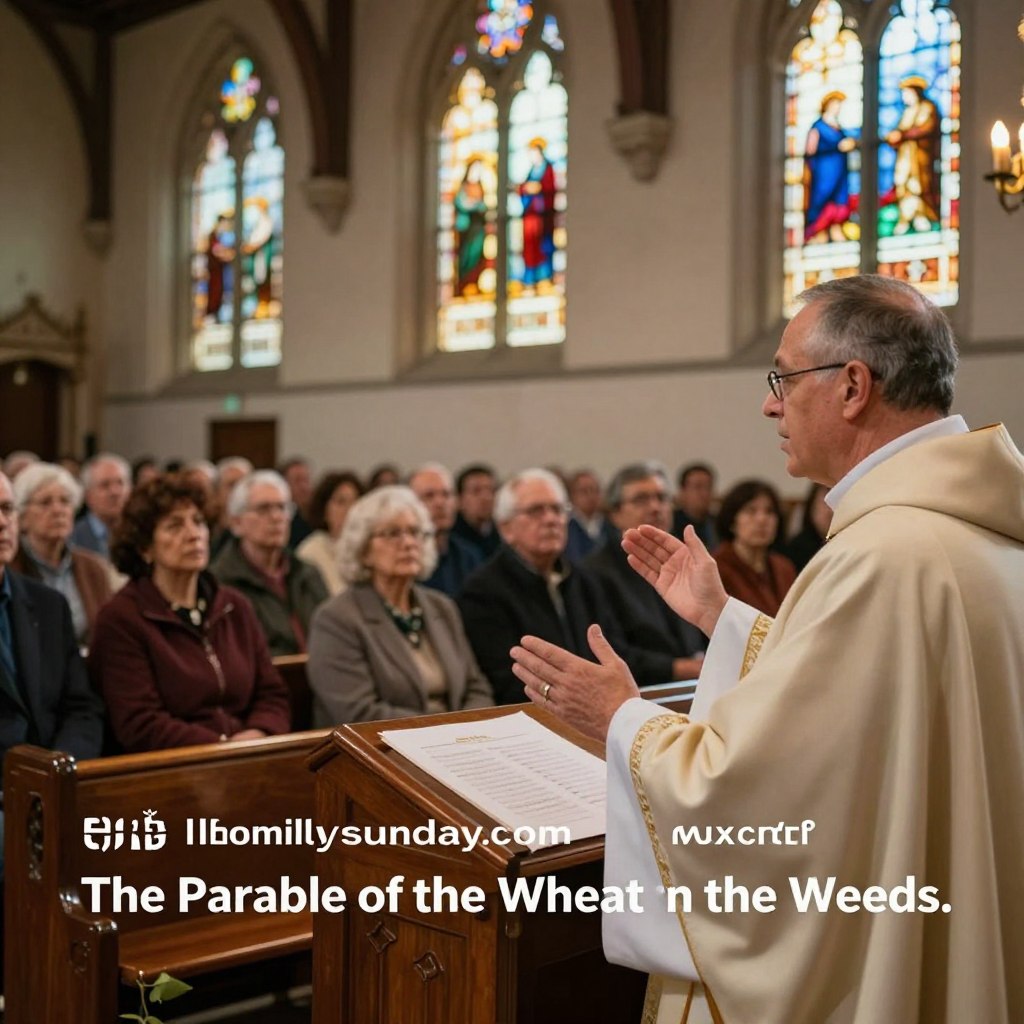
The Parable of the Wheat and the Weeds
Effective catholic preaching often uses the harvest to explain our world. The Gospel of Matthew’s parable of the wheat and the weeds shows us good and evil together. It makes us think about patience and how we see things.
Analyzing Matthew 13:24-30
A landowner sows good seed, but an enemy plants weeds among it. The servants want to pull out the weeds right away. But the landowner tells them to wait until harvest time.
This shows a crucial lesson about timing and keeping things safe. By letting both grow together, the landowner makes sure the harvest is complete. It’s like the Church, where people of all kinds live together until the end.
Why God Allows Evil to Coexist with Good
Many ask why God lets suffering and wrongdoings happen. The parable teaches us about God’s patience, which is greater than ours. It gives time for growth and repentance.
Our judgment is often quick and wrong. But the landowner’s patience teaches us to trust God’s timing. Through catholic preaching, we learn to wait for God’s judgment, not to judge others too soon.
| Feature | The Wheat | The Weeds |
|---|---|---|
| Origin | Sown by the Landowner | Sown by the Enemy |
| Growth | Develops alongside weeds | Grows in the same field |
| Final Outcome | Gathered into the barn | Bundled for burning |
| Symbolism | Children of the Kingdom | Children of the Evil One |
Lessons from the Mustard Seed and the Yeast
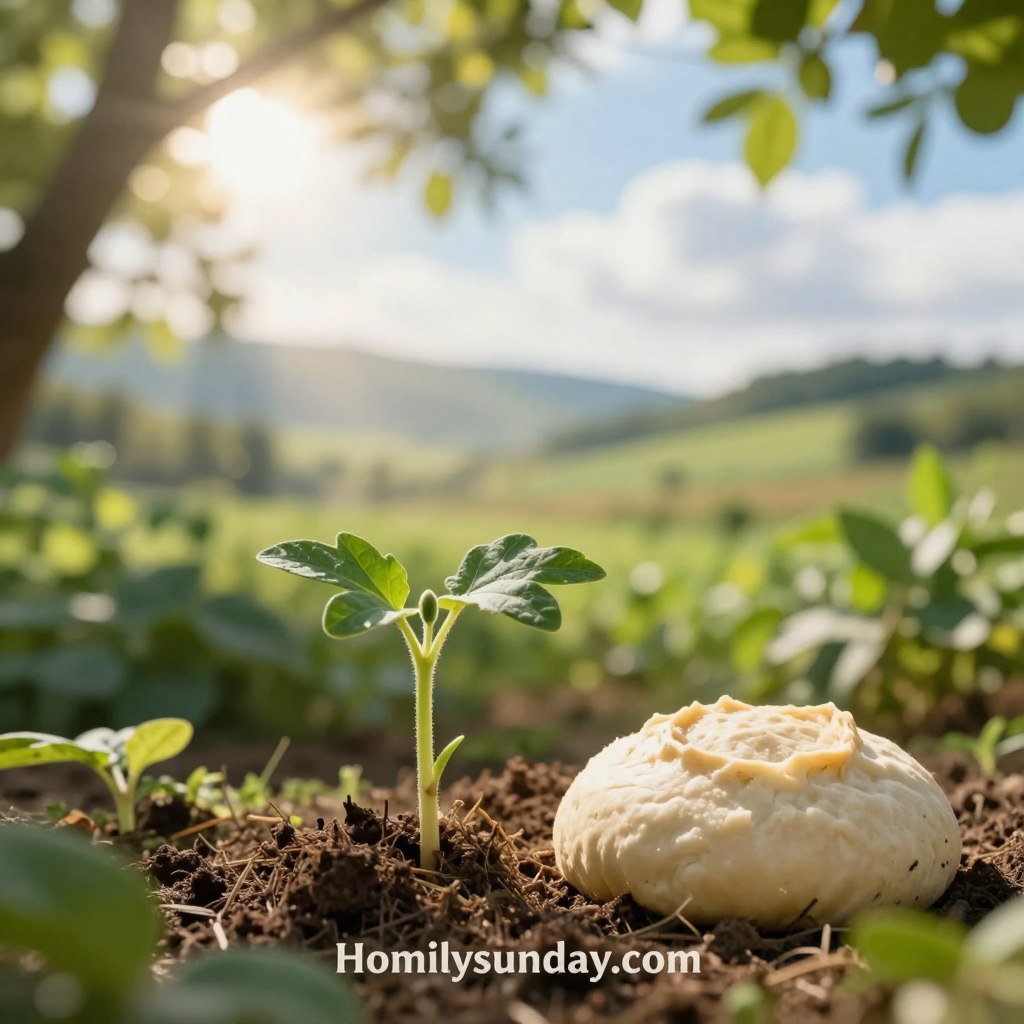
Looking through biblical reflections, we find hidden potential in small acts of devotion. Jesus often used common images to show how God’s kingdom works in our lives. These images teach us that spiritual growth is often quiet and slow.
The Power of Small Beginnings
The parable of the mustard seed shows how faith, even small, can grow big. A tiny seed can become a tree that birds can nest in. Our small acts of kindness can be a shelter for others. Consistency is key to growing spiritually.
Many feel down when they don’t see quick results from their prayers or helping others. But these biblical reflections tell us God values starting small. We must believe our quiet efforts are part of a bigger plan.
Transforming the World from Within
The yeast in dough reminds us of our role in society. Like yeast, our influence is hidden but crucial for change. By living the Gospel, we help make the world better.
This growth is slow, gradual, and ongoing. We need to be patient with ourselves and others as we deepen our faith. Through these biblical reflections, we see our commitment to good spreads through our lives.
| Metaphor | Primary Symbolism | Spiritual Application |
|---|---|---|
| Mustard Seed | External Growth | Providing shelter and support to others. |
| Yeast | Internal Influence | Transforming the community from within. |
| Combined | Kingdom Potential | Recognizing the power of small, faithful acts. |
A Moral Story for Reflection
A simple tale can reveal deep truths about how we interact with others. When we take a moment for a sunday reflection, we often find our own impatience is the biggest barrier. It stops us from seeing the potential in others.
The Gardener and the Wildflowers
There was a gardener who loved his perfectly manicured lawn. One spring, he saw strange, colorful sprouts among his roses. He thought they were weeds and wanted to pull them out.
But he paused when a small bird landed near one of the sprouts. He decided to wait a week to see what would happen. Those supposed weeds turned into vibrant, rare wildflowers that made the garden even more beautiful.
The gardener learned a valuable lesson. His rush to judge almost destroyed something beautiful. He realized only the Creator knows the true potential in every seed. This teaches us to be humble and patient with others.
We should not judge others based on our immediate expectations. By giving them space to grow, we often find unexpected beauty in our community. The table below shows the difference between acting on impulse and choosing patience.
| Approach | Focus | Outcome |
|---|---|---|
| Impulsive Judgment | Immediate perfection | Loss of potential |
| Patient Understanding | Long-term growth | Discovery of beauty |
| Spiritual Humility | Trusting the Creator | Harmony and grace |
By integrating this sunday reflection into our daily lives, we become more compassionate. When we stop trying to “weed out” those we deem unworthy, we open our hearts to God’s creation.
Five Religious Jokes to Lighten the Spirit
Laughter connects us to the deep truths in the gospel readings. It’s a way to make serious spiritual ideas easier to understand. Humor can make the liturgy more welcoming for everyone.
Believers find joy in their faith, which helps them deal with daily stress. Joy is a key Christian virtue that shows we’re never alone, even in tough times.
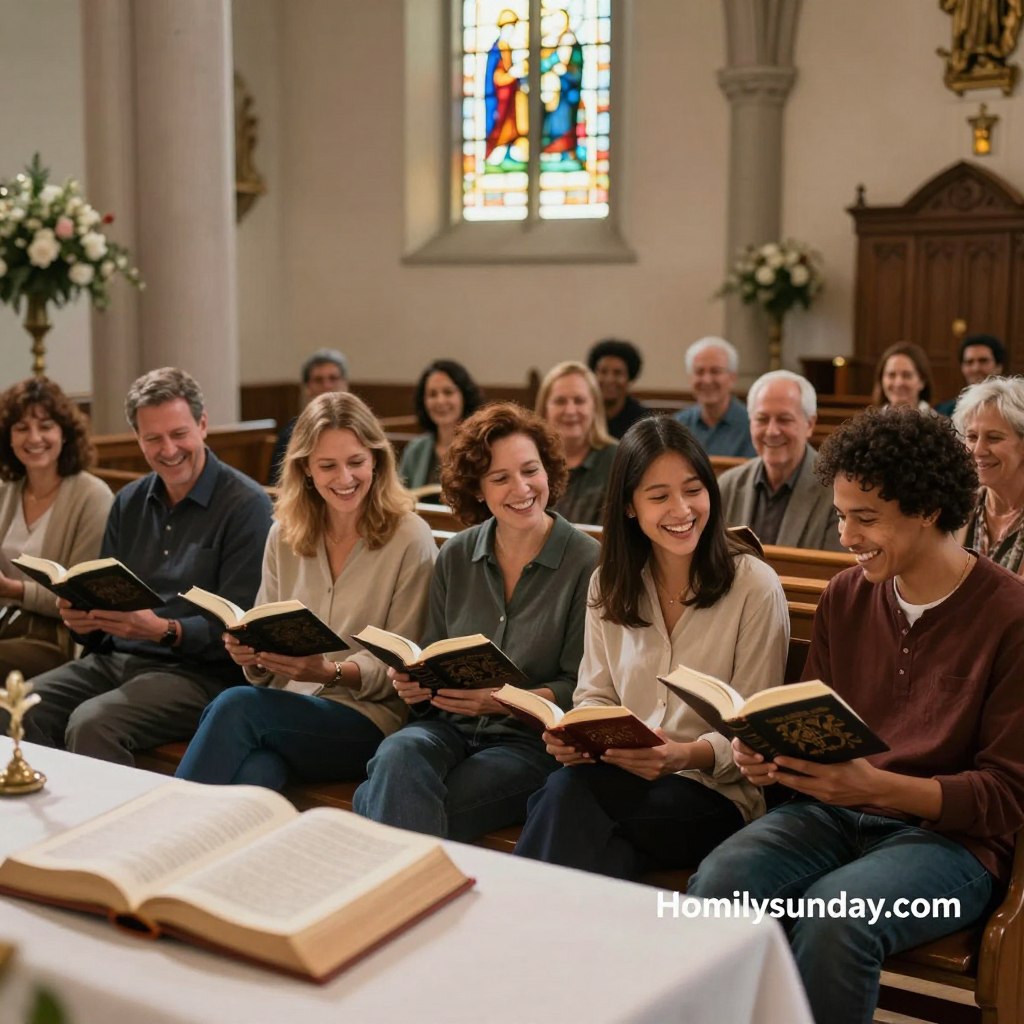
Humor in the Pews
Humor reminds us to live our faith with joy. Sharing a laugh opens our minds to the gospel readings. It helps us bond and grow spiritually together.
“A merry heart doeth good like a medicine: but a broken spirit drieth the bones.”
Lighthearted Lessons on Faith
Here are five jokes that make our faith journey lighter:
- A young boy asked his father, “Is it true that in some parts of Africa, a man doesn’t know his wife until he marries her?” The father replied, “That happens in every country, son!”
- A priest saw kids playing “church” outside. He asked, “How do you play church?” They said, “We talk about loving God but don’t do anything.”
- A teacher asked, “If you sold everything and gave it to the church, would you get into heaven?” The kids shouted, “No!” A boy said, “Because you wouldn’t have enough money!”
- A man wanted to do something great for the Lord. His pastor said, “Start by being kind to the person next to you.”
- A woman asked her husband, “Will we have pets in heaven?” He said, “I hope so. I want to see if my dog stops barking at the mailman!”
These stories show that our faith is about kindness and warmth. May laughter carry the homily’s message into your week, bringing peace.
Five Prayers of the Faithful for the Holy Mass
The Prayers of the Faithful connect the liturgy of the word to the Eucharist. They let the community pray together, using the gospel readings as a guide. This part of the Mass brings everyone together in a shared goal.
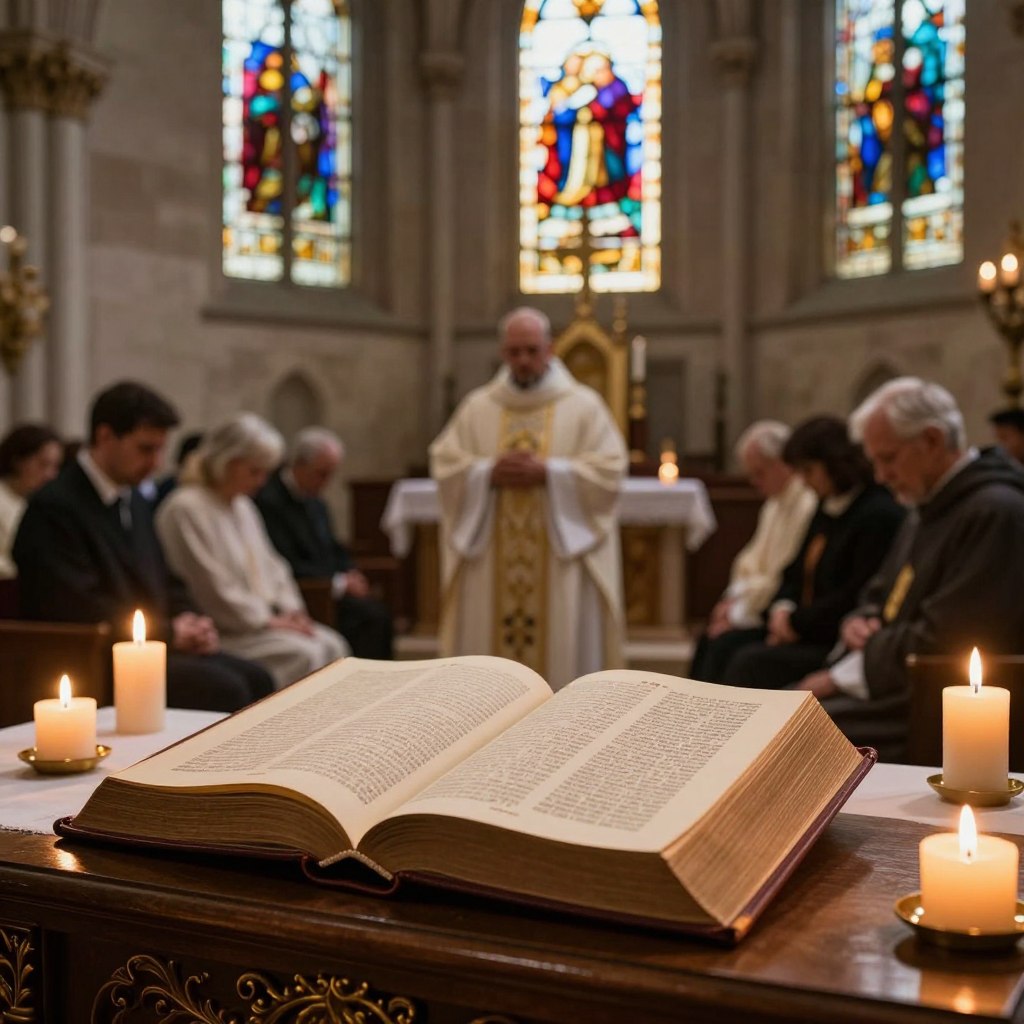
Petitions for the Church and the World
These prayers cover a wide range of needs, showing the depth of our faith. They encourage us to think about the world’s problems, not just our own. Here are five prayers to consider for your next Mass:
- For the Church: We pray for our Holy Father, bishops, and clergy. May they be led by the Holy Spirit, showing wisdom and compassion as they teach us from the gospel readings.
- For the Virtue of Tolerance: We ask God to help us see the value in every person. May we be patient and understanding in our world, divided as it is.
- For Personal Endeavors: We pray for blessings on our work and projects. May they bring fruit that benefits everyone.
- For the Marginalized: We pray for those society often overlooks. May our actions and support bring them comfort and justice.
- For Global Peace: We pray for an end to wars and violence. May the peace of Christ guide leaders and people everywhere.
By praying these petitions, we show our need for God’s help. Active participation in these prayers strengthens our unity. It reminds us we are all in this together, supporting each other through good and bad times.
The Liturgical Context of Ordinary Time
Understanding Ordinary Time shows us the sacred in everyday moments. It’s not just a gap between big feasts. It’s a vital period for spiritual growth. Through liturgical preaching, the Church helps us see Jesus’ teachings in our lives today.
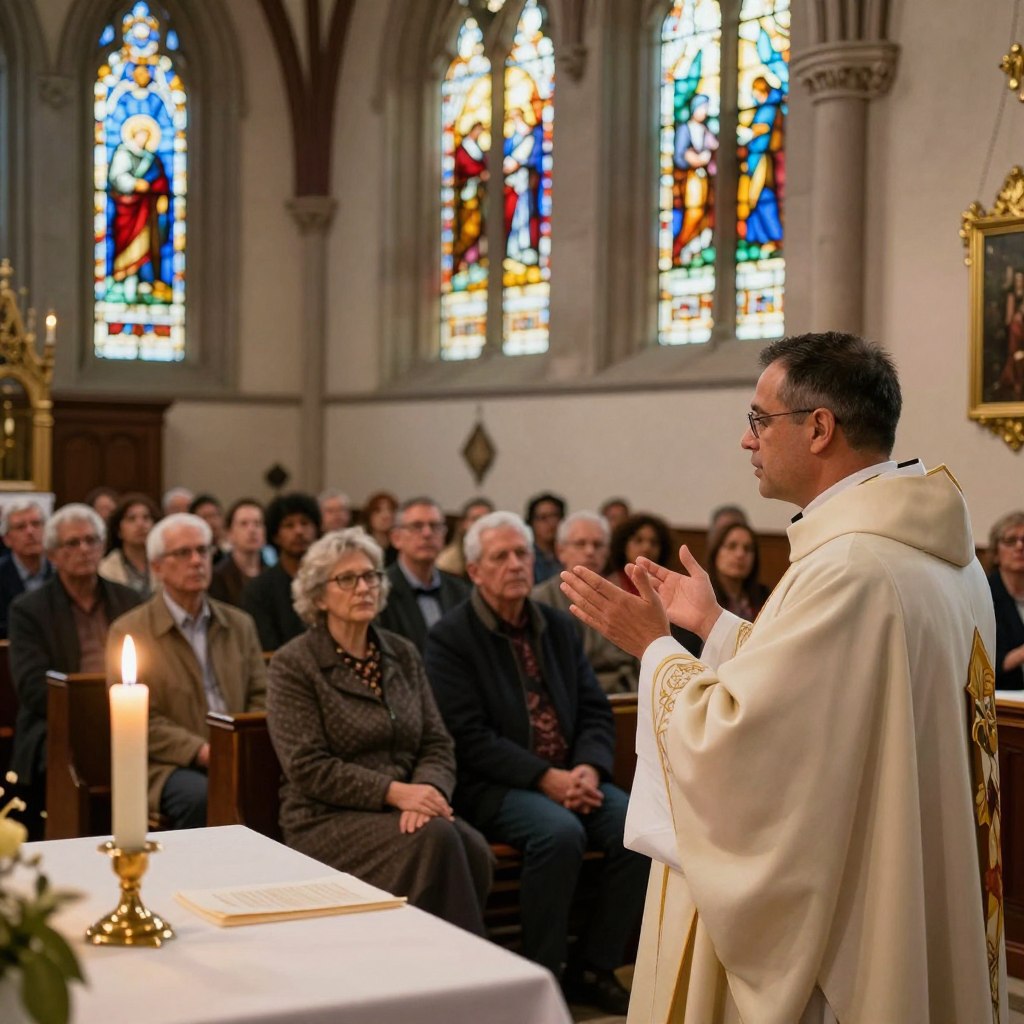
Why We Celebrate Ordinary Time
Ordinary Time is called “ordinal” because it’s counted time. It gives us a chance to think about Christ’s public ministry. We go through the Gospel stories, letting God’s word shape us.
This season helps us deepen our faith. It’s not as intense as Lent or Advent. By following the readings, we learn about Jesus’ life and mission.
Connecting Daily Life to the Gospel
The beauty of this season is connecting church and work. We see our daily tasks, jobs, and relationships through the Gospel. Every simple task is a chance to live our Christian calling.
When we mix faith into our daily lives, we find greater purpose and meaning. Good liturgical preaching helps us see God in our homes and offices. This way, we grow closer to God, day by day.
Biblical Reflections for Personal Growth
Modern life can feel too much to handle, but the Bible offers timeless wisdom. Many people struggle to grow spiritually because they don’t connect the Bible to their everyday problems. Biblical reflections help us go beyond just reading the words and find deeper meanings.
Listening to the Word of God helps us make better choices every day. It’s about making our values match the Bible’s teachings. This way, faith becomes a practical tool for dealing with stress, relationships, and work challenges.

Applying Scripture to Modern Challenges
A good sunday reflection sets the tone for the week. It helps us see how the Gospel message fits into our lives. This builds a strong faith that can handle today’s world.
“The Bible is not meant to be just read; it is meant to be lived in the heart and practiced in the world.”
Let’s look at the difference between just reading the Bible and really engaging with it:
| Approach | Focus | Outcome |
|---|---|---|
| Passive Reading | Information gathering | Temporary knowledge |
| Active Reflection | Personal application | Lasting character growth |
| Daily Meditation | Internalizing truth | Stronger decision-making |
Making biblical reflections a daily habit is key for growth. Begin by picking a short Bible passage each morning. Think about how it relates to your current challenges. This small step keeps your faith alive and active.
Spiritual Insights for Daily Living
Spiritual insights act as a compass in our busy lives. Today, with constant connection and fast change, keeping inner peace is hard. But, by staying grounded in faith, we can face life’s challenges with ease and clarity.

Cultivating Patience in a Fast-Paced World
Practicing patience is key to staying connected to God. When we’re pushed to act fast, waiting on God shows our faith. This pause lets us reflect and connect deeper with the divine.
“Patience is not simply the ability to wait, but the ability to keep a good attitude while waiting.”
To keep our spirits balanced, we need quiet moments. These short breaks help us hear God’s voice above the noise. By focusing on prayer, we can love and understand others better.
The table below shows how changing our habits can improve our days:
| Habit Type | Reactive Approach | Proactive Spiritual Approach |
|---|---|---|
| Daily Stress | Immediate frustration | Brief silent prayer |
| Decision Making | Impulsive reaction | Discernment through reflection |
| Interpersonal Conflict | Defensive posture | Patient listening |
These insights lead to a balanced and joyful life. Even with a packed schedule, making time for God keeps our hearts centered. This patience builds a strong spirit that can handle any challenge.
The Role of the Sunday Sermon in Catholic Life
The sunday sermon connects ancient scripture with today’s life. It makes the liturgy more meaningful by linking divine truth to our lives. This helps us see how the readings apply to us now.
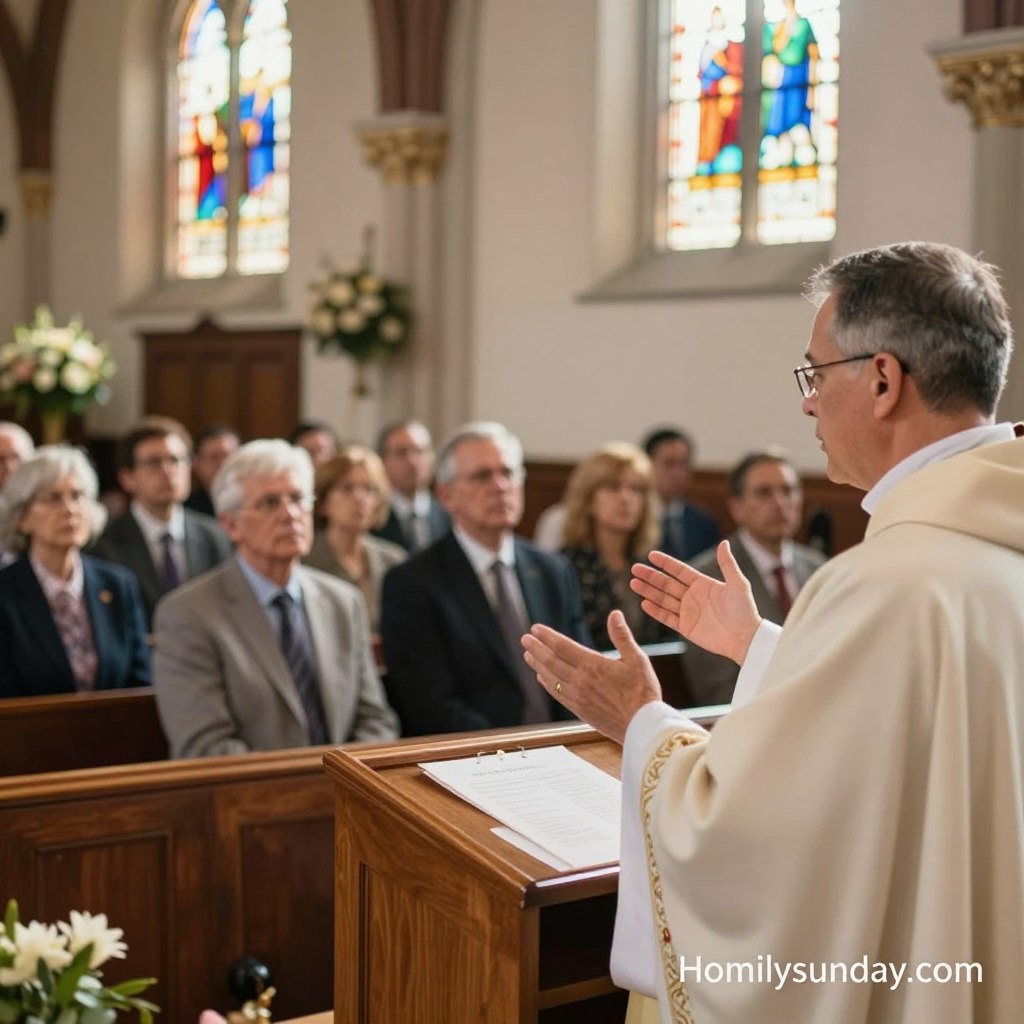
Catholic preaching is key for personal and group growth. It tackles today’s issues, guiding us to live our faith with purpose.
How Preaching Shapes Our Spiritual Journey
Our faith journey isn’t always easy. The pulpit guides us, helping us stay on track. Through the Word, we find strength to overcome daily challenges.
“The homily is the touchstone of the dialogue between God and his people.”
Listening actively is vital. It means having an open heart to receive the message. When the sunday sermon is genuine, it strengthens our bond with God.
In the end, catholic preaching aims to inspire action. It urges us to live our faith in our homes, work, and communities. This way, the Gospel’s message spreads throughout the week.
Preparing Your Heart for the Eucharist
Meeting the Eucharist starts before the priest goes to the altar. It needs a conscious effort to calm the mind and focus on the sacred moment. By leaving daily distractions behind, we make room for grace to grow.
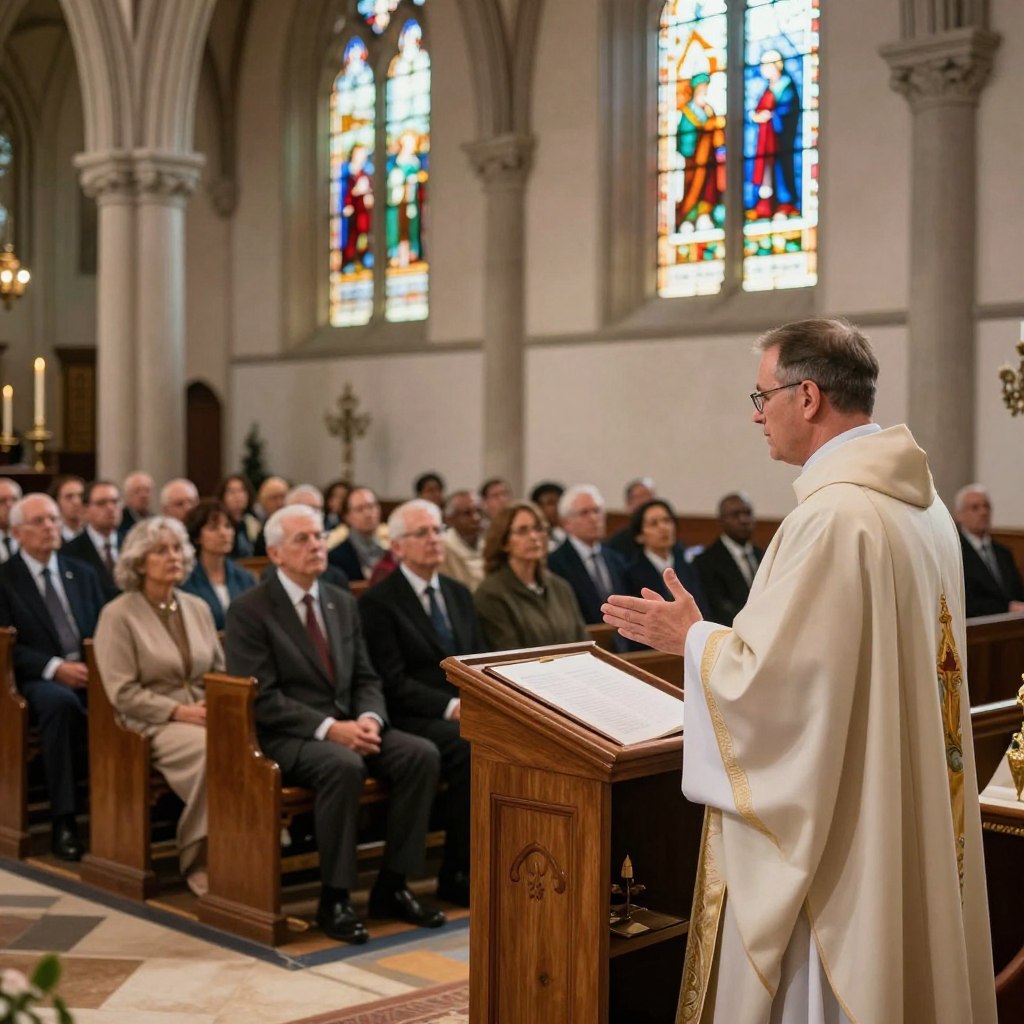
Being active in the liturgy means more than just being there or saying the words. It’s about having a heart open to humility and thanks. When we dive into the readings and liturgical preaching, we connect our hearts with the Gospel’s message.
The Importance of Active Participation
True participation means having a heart open to change by God’s Word. Liturgical preaching connects old scripture with today’s issues. By listening closely, we prepare to say “Amen” sincerely during the Eucharistic prayer.
Arriving early for silent prayer helps a lot. Thinking about the readings or personal prayers can make the Mass more meaningful. This intentional preparation makes receiving the Eucharist a powerful spiritual boost.
Conclusion
The readings for the Sixteenth Sunday in Ordinary Time call us to deepen our commitment to prayer and service. By balancing these, we stay grounded while helping others. This balance is key to living our faith fully.
By applying these spiritual lessons, we turn our daily lives into chances for grace. Small acts of kindness show us the patience of a gardener. This mindset helps us receive the Eucharist with a renewed sense of purpose.
God gives us the strength to face today’s challenges with confidence. Each of us can be a witness to the Gospel through our actions. Living these insights leads to a life filled with peace and hope.
Our faith journey doesn’t end when the hymns stop. We’re called to bring the lessons of the liturgy into our daily lives. With faith in God, every step we take is guided by love and wisdom.

💬 Share Your Reflection