
Today marks another opportunity for young people to discover profound truths that shape life in meaningful ways. The challenges you face as youth in this modern world are real and complex. Between school pressures, family expectations, and the constant noise of social media, finding peace and purpose can feel overwhelming at times.
25 Powerful Homily Stories to Transform Your Sunday Preaching
This Sunday homily for youth speaks directly to your heart. It addresses not just spiritual questions but also the mental and emotional struggles that many young people experience. Your faith journey is unique, and every step forward matters.
The message shared today provides practical guidance rooted in timeless wisdom. It offers tools to strengthen your relationship with God while building resilience for life’s inevitable challenges. You deserve support that honors both your spiritual growth and your mental wellbeing.
Get Your Free Youth Faith Journey Guide
Start your spiritual growth today with our comprehensive guide designed specifically for young people. Discover daily devotions, reflection questions, and practical faith-building exercises that fit your busy life.
Sunday Homily For Youth
Understanding Your Spiritual Journey as a Young Person

The spiritual path for youth looks different than it did for previous generations. Your world moves faster, information flows constantly, and traditional structures have shifted in significant ways. Yet the core human need for meaning, connection, and transcendence remains unchanged.
Many young people struggle with doubt, and that is perfectly normal. Questioning your faith does not make you weak or unfaithful. In fact, wrestling with deep questions often strengthens belief in the long run. The congregation welcomes your honest inquiries and supports your search for authentic faith.
Your relationship with God should feel personal and genuine, not forced or performed. Some people experience dramatic spiritual moments, while others build faith gradually through small, consistent practices. Neither way is better than the other. What matters is that you remain open to growth and willing to take the next step on your journey.
The Role of Community in Youth Faith Development
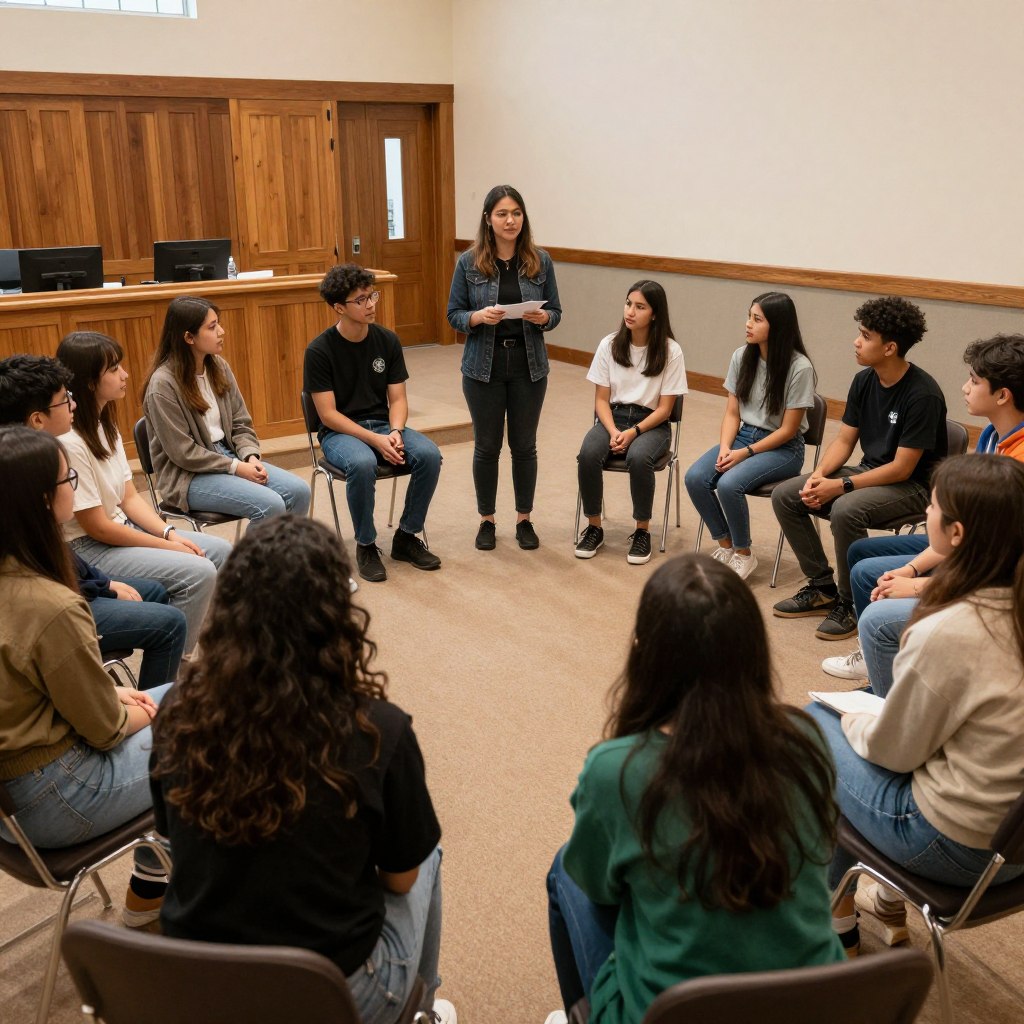
No person grows spiritually in isolation. The youth group provides essential support for your faith journey. Friends who share similar values and struggles create a safe place where you can be yourself without pretense or judgment.
Sunday services connect you to something larger than yourself. When the congregation gathers, you become part of a family that spans generations. Older members offer wisdom gained through years of experience, while your fresh perspective brings energy and new insights to the community.
Benefits of Youth Community
- Shared experiences reduce feelings of isolation
- Accountability partners help maintain spiritual practices
- Diverse perspectives deepen understanding
- Mentorship from older believers provides guidance
- Collaborative service projects build practical faith

Building Daily Spiritual Practices That Actually Work
Consistency matters more than intensity when developing spiritual habits. A five-minute morning prayer practice sustained for months produces deeper results than an hour-long session that happens only once. Start small and build gradually as habits take root in your daily routine.
Prayer does not require fancy language or perfect words. God hears your authentic voice, whether you speak formally or conversationally. Some youth find written prayers helpful, while others prefer spontaneous conversation with God. Experiment with different approaches until you discover what feels natural for your personality.
- Morning gratitude practice: Name three things you appreciate before checking your phone
- Scripture reflection: Read one passage and journal one application for your day
- Midday prayer pause: Take sixty seconds to center yourself and remember God’s presence
- Evening review: Reflect on where you noticed God’s work during the day
- Weekly sabbath rest: Set aside dedicated time for deeper spiritual renewal
Receive Weekly Spiritual Guidance for Youth
Join thousands of young people who receive encouraging messages, practical faith tips, and inspirational content delivered to your inbox every week. Stay connected to your spiritual growth journey.
Sunday Homily For Youth
Connecting Faith and Mental Health for Young People

Mental health and spiritual health are deeply interconnected, not separate categories. Your emotional wellbeing affects your relationship with God, and your faith practices influence your psychological state. Recognizing this connection helps you address both dimensions with wisdom and compassion.
Many youth experience anxiety, depression, loneliness, or other mental health challenges. These struggles are not signs of weak faith or spiritual failure. They are human experiences that deserve professional attention and community support. God works through counselors, therapists, and medical professionals to bring healing.
The church should be a place of safety and understanding for those struggling with mental health issues. If your congregation does not yet provide this support, you can help create culture change by speaking openly about your own experiences and advocating for better resources.
Practical Mental Wellness Strategies Rooted in Faith
Scripture offers profound wisdom for emotional regulation and mental health. The Psalms model honest expression of difficult emotions, showing that God welcomes our real feelings rather than demanding constant positivity. This biblical permission to be authentic reduces the shame that often compounds mental health struggles.
Mindfulness practices align beautifully with contemplative prayer traditions. Learning to observe your thoughts without judgment creates space for God’s peace to emerge. Many youth find that combining psychological techniques with spiritual practices produces powerful results for managing anxiety and stress.

Breath Prayer for Anxiety
Combine slow breathing with simple prayer phrases. Inhale while thinking “God is with me,” exhale while releasing “I let go of fear.” This practice calms your nervous system while centering your mind on spiritual truth.

Gratitude as Medicine
Research shows gratitude practices improve mental health significantly. The biblical call to thanksgiving is not just spiritual advice but psychological wisdom. Daily gratitude rewires your brain toward positivity and hope.
Community Connection
Isolation worsens mental health, while authentic connection promotes healing. Regular participation in youth group activities provides social support that protects against depression and builds resilience during difficult times.
When to Seek Professional Help
Faith does not replace professional mental health care when clinical support is needed. If you experience persistent sadness, hopelessness, self-harm thoughts, or other serious symptoms, reaching out to a qualified therapist or counselor is an act of wisdom and self-care, not a lack of faith.
Many Christian counselors integrate faith perspectives with evidence-based psychological treatment. This combination honors both your spiritual identity and your need for professional expertise. Asking your pastor or youth leader for referrals can help you find appropriate resources in your area.
Important Note: If you are experiencing thoughts of suicide or self-harm, please reach out immediately to the National Suicide Prevention Lifeline at 988 or text “HELLO” to 741741 for the Crisis Text Line. Your life matters deeply, and help is available right now.
Faith & Mental Health Resource Library
Access our comprehensive collection of resources designed for youth navigating mental health challenges while maintaining strong faith. Includes worksheets, guided meditations, prayer practices, and professional referral information.
Connect with a Youth Mentor
Our trained mentors provide one-on-one support for young people seeking guidance. These caring adults have walked similar paths and offer wisdom without judgment. Schedule a conversation today.
Join Our Online Youth Community
Connect with other young people facing similar challenges. Our moderated online community provides a safe space for sharing experiences, asking questions, and supporting one another through faith and friendship.
Navigating Relationships and Social Pressures with Faith

Relationships shape your world in powerful ways during youth. Friends influence your choices, family dynamics affect your emotional state, and romantic interests can feel all-consuming at times. Navigating these connections with wisdom and faith creates a foundation for healthy relationships throughout life.
Peer pressure remains one of the most significant challenges young people face. The desire to fit in and be accepted can push you toward choices that conflict with your values. Building confidence in your identity as a person loved by God provides inner strength to resist unhealthy pressure from others.
Choosing Friends Who Support Your Growth
The people you spend time with have tremendous impact on your spiritual and personal development. Friends who share your commitment to faith make the journey easier and more joyful. These relationships provide accountability, encouragement, and shared experiences that deepen your connection to God.
This does not mean you should only befriend other believers or isolate yourself from those with different perspectives. Having diverse friendships expands your understanding of the world and creates opportunities to demonstrate God’s love through genuine relationship. The key is ensuring your closest confidants support rather than undermine your core values.

Signs of Healthy Youth Friendships
- Mutual respect for boundaries and differences
- Encouragement toward positive growth and choices
- Honest communication without manipulation
- Support during difficult times without judgment
- Shared values and compatible life priorities
- Space for individual identity within the friendship
Family Relationships and Faith Development
Your family situation significantly influences your spiritual journey, whether that influence feels positive or challenging. Some youth grow up in homes where faith is actively practiced and supported. Others navigate family environments that are indifferent or even hostile to religious expression.
If your family supports your faith, express gratitude for this blessing and look for ways to deepen spiritual conversations at home. If your family creates obstacles to your faith journey, remember that God remains present and active in your life regardless of family dynamics. The church family can provide additional support and guidance you may not receive at home.
Honoring your parents and family members does not mean agreeing with everything they say or abandoning your own spiritual convictions. You can maintain respect while also developing your independent relationship with God. This balance requires wisdom, patience, and sometimes difficult conversations handled with love.
Dating, Romance, and Faith Boundaries
Romantic relationships bring both joy and complexity to your life as a young person. These connections can be beautiful expressions of human love while also presenting serious challenges to maintaining healthy boundaries and spiritual priorities.
Many youth struggle with questions about physical intimacy, emotional involvement, and how faith should guide romantic choices. Clear personal boundaries established before you enter romantic relationships provide protection and clarity when emotions run strong. Knowing your values in advance makes in-the-moment decisions much easier to navigate.
“Love God with all your heart, soul, mind and strength, and love your neighbor as yourself. These two commandments form the foundation for every relationship in your life, including romantic ones.”
Discovering Your Purpose and Calling in Life

Every person possesses unique gifts, passions, and capacities that can make a positive difference in the world. Your purpose is not some distant mystery to eventually discover but something you actively create through choices and commitments made day by day.
Many young people feel pressure to have life completely figured out by a certain age. This expectation creates unnecessary anxiety and can paralyze decision-making. The truth is that most people discover their calling gradually through experimentation, reflection, and paying attention to where they experience both joy and effectiveness.
Identifying Your Unique Gifts and Strengths
God has equipped you with specific abilities that serve both your growth and the wellbeing of others. Some gifts are obvious and celebrated by society, like athletic ability or academic intelligence. Other gifts are quieter but equally valuable, such as compassion, listening skills, or the ability to bring peace to tense situations.
Take time to reflect on activities that energize rather than drain you. Notice tasks that feel natural even when they are challenging. Ask trusted friends and family members what strengths they observe in you. This self-awareness process helps clarify where you might invest time and energy for maximum impact.
Creative Gifts
Some youth express themselves through art, music, writing, or other creative mediums. These gifts bring beauty and meaning to the world while providing outlets for processing emotions and experiences.
- Visual arts and design
- Musical performance or composition
- Creative writing and storytelling
- Drama and performance arts
Relational Gifts
Others naturally connect with people, build community, and facilitate healing in relationships. These interpersonal abilities create belonging and help others feel seen and valued.
- Empathy and emotional intelligence
- Leadership and team building
- Conflict resolution skills
- Hospitality and inclusion
Service Gifts
Many find fulfillment in practical service that meets tangible needs. These behind-the-scenes contributions make communities function and demonstrate love through action.
- Organization and administration
- Practical help and support
- Teaching and mentoring
- Physical service and labor
Connecting Faith to School and Career Choices
The decisions you make about education and career paths have lasting consequences for your life trajectory. While these choices feel weighty, remember that few decisions are truly irreversible. People change majors, switch careers, and redirect their paths throughout life. What matters most is making thoughtful choices aligned with your values rather than following someone else’s script for your life.
Your faith should inform but not necessarily dictate these practical decisions. Some youth feel called to explicitly religious vocations like ministry or missionary work. Others serve God equally well through careers in medicine, education, business, arts, or any other field where they can contribute positively to human flourishing.
Ask yourself questions like: Where do I see problems I want to help solve? What kind of work environment brings out my best self? How can my career support both my financial needs and my desire to make a positive impact? Which paths create space for the relationships and spiritual practices that matter most to me?
Living with Purpose in Everyday Moments
Purpose is not only about major life decisions or dramatic callings. It shows up in small daily choices to treat others with kindness, to do your work with excellence, to show up for friends in need, and to maintain integrity when no one is watching.
The youth who focus on being faithful in small things often discover that larger opportunities naturally emerge over time. Consistency in character and commitment prepares you for greater responsibilities and more significant impact as your life unfolds.
Overcoming Common Obstacles to Faith Growth

Every person encounters obstacles on their faith journey. These challenges test resolve, expose areas needing growth, and ultimately strengthen character when faced with wisdom and courage. Understanding common obstacles helps you recognize and address them before they derail your spiritual progress.
Dealing with Doubt and Questions
Intellectual doubt is not the enemy of faith but often a pathway to deeper understanding. When you honestly wrestle with hard questions about God, suffering, evil, and the nature of reality, you develop a more mature and resilient faith. Avoiding difficult questions leaves your belief system vulnerable to collapse when inevitable challenges arise.
The church should welcome your questions rather than shutting them down with simplistic answers. Find mentors and leaders who can engage your doubts thoughtfully and honestly. Read books and explore resources that address the intellectual dimensions of faith. Remember that uncertainty is a normal part of the human experience, not a failure of spiritual commitment.
Managing Busy Schedules and Competing Priorities
Modern youth face unprecedented demands on their time and attention. School responsibilities, extracurricular activities, work commitments, family obligations, and social life create a constant sense of urgency and overwhelm. In this context, maintaining spiritual practices can feel like one more obligation on an already overloaded schedule.
The solution is not necessarily doing more but rather integrating faith into activities you already do. Practice presence and gratitude during ordinary moments. Turn your commute into prayer time. Involve friends in spiritual conversations during meals together. See your work and school responsibilities as opportunities to demonstrate character and serve others.
Time Management Tips for Spiritual Growth
Start with just five minutes daily rather than attempting hour-long sessions. Build habits gradually and celebrate consistency over intensity. Use transition times between activities for brief spiritual practices. Schedule faith activities with the same priority as other important commitments.
Handling Disappointment with God or Church
Many youth experience disappointment when their prayers seem unanswered, when trusted church leaders fail morally, or when their faith community proves to be less than ideal. These painful experiences can shake belief and create distance from spiritual community.
Acknowledging disappointment honestly is the first step toward healing and renewed faith. God is big enough to handle your anger, questions, and grief. Processing these difficult emotions with trusted mentors or counselors prevents them from hardening into permanent bitterness or cynicism.
Remember that church is a community of imperfect people, not a gathering of perfected saints. Leaders and congregation members will fail and disappoint. This reality does not invalidate the faith itself or negate the genuine good that happens in Christian community. Learning to hold both the beauty and the brokenness of church with mature perspective is an important part of spiritual growth.
Building Resilience Through Faith Practices

Resilience is the capacity to recover from difficulties and adapt to challenging circumstances. Faith provides powerful resources for building this essential life skill. Young people who develop spiritual resilience navigate setbacks, losses, and disappointments with greater strength and hope.
Developing a Growth Mindset Rooted in Grace
A growth mindset recognizes that abilities and character can develop through effort and learning. This perspective aligns beautifully with Christian teaching about transformation and renewal. You are not stuck with your current limitations but can grow and change throughout your life.
God’s grace means you do not have to earn love or prove your worth through perfect performance. This truth liberates you from the crushing pressure of perfectionism and creates space for taking healthy risks, learning from mistakes, and embracing the messy process of growth.
Practicing Self-Compassion and Forgiveness
Many youth are remarkably hard on themselves, holding themselves to impossible standards while showing much more grace to others. Learning to extend the same compassion to yourself that you offer friends is not selfish but essential for mental health and spiritual growth.
Self-compassion recognizes that struggle and imperfection are universal human experiences. When you mess up or fall short of your ideals, responding with kindness rather than harsh self-criticism creates space for genuine learning and change. This does not mean excusing harmful behavior but rather approaching your failures with the same love God extends to you.
- Notice self-critical thoughts without immediately believing or acting on them
- Ask what you would say to a good friend in the same situation
- Speak those compassionate words to yourself instead of harsh judgments
- Remember that mistakes are opportunities for growth, not final verdicts on your worth
- Practice forgiveness toward yourself as God forgives you completely
Finding Strength in Spiritual Disciplines
Spiritual disciplines are practices that create space for God’s transforming presence in your life. These are not legalistic requirements but helpful tools for growth. Different practices resonate with different personalities, so explore various disciplines to discover which ones support your unique journey.
Contemplative Practices
These disciplines cultivate inner quiet and awareness of God’s presence.
- Centering prayer and silent meditation
- Lectio divina (sacred reading)
- Solitude and retreat
- Sabbath rest and unplugging
Active Practices
These disciplines engage body, mind, and spirit through action and service.
- Service to others and justice work
- Worship and celebration
- Fellowship and community
- Study and learning
Creating a Meaningful Life Aligned with Your Values

A meaningful life is not something you stumble into by accident but something you intentionally create through daily choices aligned with your deepest values. Your youth years are the perfect time to establish patterns and priorities that will serve you throughout life.
Defining Your Core Values
Core values are the principles that guide your decisions and shape your character. Young people who clearly identify their values make better choices, experience less anxiety about decisions, and feel more confident in their life direction.
Your faith provides a foundation of values, but you must personalize them through reflection and commitment. Which specific aspects of Christian teaching resonate most deeply with your heart? What kind of person do you most want to become? How do you want to be remembered by friends, family, and your community?
Setting Goals That Reflect Your Faith
Goal setting gives concrete expression to your values and creates forward momentum in your life. Effective goals are specific, measurable, achievable, relevant to your values, and time-bound. They should challenge you to grow while remaining realistic given your current circumstances.
Spiritual goals might include establishing daily prayer habits, reading through certain books of Scripture, participating regularly in youth group, or serving in your community. Personal development goals could address physical health, academic achievement, skill development, or relationship building. The key is ensuring your goals reflect what truly matters to you rather than what others expect.
Spiritual Growth Goals
- Daily prayer or meditation practice
- Regular Scripture reading plan
- Weekly worship attendance
- Monthly service opportunities
- Annual spiritual retreat or camp
Relationship Goals
- Build deeper friendships
- Improve family communication
- Find a mentor or accountability partner
- Practice active listening
- Resolve conflicts with grace
Personal Development Goals
- Develop emotional intelligence
- Build healthy habits
- Learn new skills
- Practice self-care consistently
- Challenge yourself academically
Living with Integrity and Authenticity
Integrity means your actions align with your stated values, even when no one is watching and even when living consistently costs you something. This quality is rare and precious in today’s world, where people often present carefully curated images that do not match their private reality.
Authenticity means being genuinely yourself rather than performing a role you think others expect. Young people face enormous pressure to conform to various images of success, coolness, or acceptability. Resisting this pressure and embracing your true self takes courage but leads to much greater peace and fulfillment.
Your faith calls you to live truthfully, to keep your word, to admit mistakes, and to maintain consistency between your public and private selves. This commitment to integrity builds trust with others and creates inner peace that comes from living without pretense or deception.
Take the Next Step in Your Faith Journey
You don’t have to navigate your spiritual growth alone. Join our supportive community of young people who are discovering faith, building resilience, and creating meaningful lives together. Access exclusive resources, connect with mentors, and receive ongoing guidance tailored specifically for youth like you.
Moving Forward with Faith, Hope, and Purpose

Your journey as a young person of faith is just beginning. The road ahead includes both joys and challenges, victories and setbacks, moments of clarity and seasons of confusion. Through it all, God remains present, faithful, and committed to your growth and flourishing.
The lessons shared in this Sunday homily for youth provide a foundation for building a life of meaning, purpose, and spiritual depth. But information alone does not create transformation. You must put these insights into practice through daily choices, consistent spiritual disciplines, and ongoing engagement with a supportive faith community.
Remember that spiritual growth happens gradually, not overnight. Be patient with yourself as you learn and develop. Celebrate small victories and progress rather than focusing only on how far you still have to go. Every step forward matters, and God honors your sincere efforts to grow in faith.
The world needs young people who combine spiritual depth with psychological health, who lead with integrity and compassion, and who are committed to making positive differences in their communities. You have the potential to be that kind of person, and the journey begins with the choices you make today.
May you walk forward with confidence in God’s love, supported by community, equipped with practical wisdom, and committed to becoming the best version of yourself. Your life has profound purpose and meaning. Embrace your calling with courage, hope, and faith.
