The liturgical season is a time to look closely at the covenantal relationship between God and us. Reading the scripture gives us a special way to see our spiritual path. This homily eleventh sunday in ordinary time helps us understand the sacred texts better.
These old stories are still important for our faith today. They offer wisdom for our journey of faith. The message calls us to live a life of service and devotion.
11th Sunday in Ordinary Time Homily – US Catholics
Key Takeaways
- Exploration of the deep covenantal bond between God and humanity.
- Practical applications of ancient scripture for modern discipleship.
- Insights into how liturgical readings shape vibrant parish life.
- Guidance for navigating the complexities of the current liturgical cycle.
- Encouragement for personal spiritual growth and community engagement.
The Liturgical Context of the Eleventh Sunday in Ordinary Time
The Eleventh Sunday in Ordinary Time is a key moment in the Church’s calendar. It marks a shift in Jesus’ ministry. A pivotal moment where Jesus starts to commission the Twelve Apostles. A good catholic homily helps us see this important change.
The Sunday liturgy is crucial for believers. It’s a time to connect with God’s Word and prepare for the week ahead. Through these readings, we understand the divine plan of salvation better.
The table below shows the main themes of this liturgical season:
| Liturgical Phase | Primary Focus | Spiritual Goal |
|---|---|---|
| Early Ordinary Time | Jesus’ Initial Ministry | Recognition of Authority |
| Eleventh Sunday | Commissioning the Twelve | Call to Discipleship |
| Late Ordinary Time | Kingdom Proclamation | Active Evangelization |
The catholic homily on this day connects ancient scripture with today’s life. It calls the congregation to join the Church’s mission. This reminds us our spiritual journey is part of a bigger story of grace.
Exodus 19:2-6a: The Covenant at Mount Sinai
This sunday reflection invites us to explore our spiritual roots. The Israelites reached the desert of Sinai, ready for a new relationship with God. This moment at Mount Sinai laid the groundwork for their covenant, setting them apart as a people.

Understanding the Call to be a Holy Nation
God’s call to the Israelites was more than just rules. It was a call to a distinctive way of life. By becoming a holy nation, they were to show God’s character to the world. This meant living with justice, mercy, and faithfulness, unlike other cultures.
Being holy meant being consecrated for a divine purpose. It was a state of being that required constant focus on God’s laws. Today, this call challenges us to live with integrity and purpose.
The Significance of God’s Treasured Possession
The text shows the Israelites as God’s treasured possession. This image speaks of a deep, caring relationship with God. It tells us we are valued, not for what we do, but because we belong to God.
This sunday reflection connects the Old Testament promise to today’s Church. Like the Israelites, the Church is called to shine God’s love in a broken world. Knowing we are God’s treasured possession gives us security and a sense of mission.
Psalm 100: A Call to Joyful Worship
The Responsorial Psalm for this Sunday is a timeless call to worship. It deeply resonates with the human spirit. It invites us to approach God with joy and sincere gratitude. This text is key for any gospel commentary about our relationship with God.
Recognizing the Lord as Our Creator
This psalm reminds us that God is the source of all life. We belong to Him, created with purpose and love. Recognizing the Lord as our Creator helps us see our place in the world.
This understanding brings us closer to the community of believers. When we see ourselves as God’s sheep, we find peace in His guidance. This is crucial for those wanting to grow spiritually through reflective prayer.
Entering the Gates with Thanksgiving
Entering the gates with thanksgiving is a key part of being a Christian today. It means leaving our worries behind and focusing on God’s goodness. By offering praise, we open our hearts to God’s grace.
We’re encouraged to live with gratitude every day, not just on Sundays. This turns everyday moments into chances to worship and connect with God. A life filled with thanksgiving shows the power of faith.
Romans 5:6-11: The Depth of Divine Love
Every parish sermon on grace must talk about Christ’s sacrifice. The Apostle Paul shows us God’s love through his Son’s death. This invites us to see God’s unconditional nature of mercy.
Reconciliation Through the Death of Christ
Reconciliation is possible even when we’re still in sin. God doesn’t wait for us to be perfect to show friendship. He acts to bridge the gap our flaws create.
This act of reconciliation shows God’s deep commitment to us. Christ’s death for the ungodly proves a love beyond human understanding. It transforms us from outsiders to beloved children.
The Assurance of Salvation for the Faithful
Romans 5 brings hope and stability in a changing world. Believers can be sure of God’s promises. This certainty is a strong anchor in hard times.
God’s love drives the Christian life. When making a parish sermon, highlight that this love is a gift. This understanding brings gratitude and encourages a life of generosity.
The Alleluia Verse: Preparing for the Gospel
Liturgical preaching often highlights the Alleluia as a moment of deep anticipation in the Mass. This sacred verse is like a spiritual gateway. It invites the congregation to focus on the upcoming Gospel reading.
By singing these words, the faithful prepare their hearts. They get ready to receive the living message of Christ with renewed attention.
The Kingdom of God is at hand
The verse from Mark 1:15 prepares us for the Gospel. It tells us that the Kingdom of God is at hand. This means the divine presence is active and near.
This announcement is not just historical. It’s a present reality that calls for an immediate response from every listener.
The Call to Repent and Believe
The call to repent and believe is key for entering the Kingdom’s life. Through liturgical preaching, believers are reminded of the transformative power of these words. They can change one’s spiritual path.
Embracing this message requires a sincere heart. It also needs a willingness to live according to the Gospel’s teachings.
| Spiritual Action | Primary Focus | Expected Outcome |
|---|---|---|
| Repentance | Turning away from sin | Inner purification |
| Belief | Trusting in the Gospel | Spiritual growth |
| Proclamation | Sharing the Kingdom | Community witness |
Matthew 9:36-38: The Compassion of the Good Shepherd
When Jesus looked at the crowds, he saw more than just people. He saw a group in deep need of guidance. This gospel commentary shows how Jesus felt deep pity for those struggling.
He knew the people were troubled and without direction. They needed spiritual help to find their way.
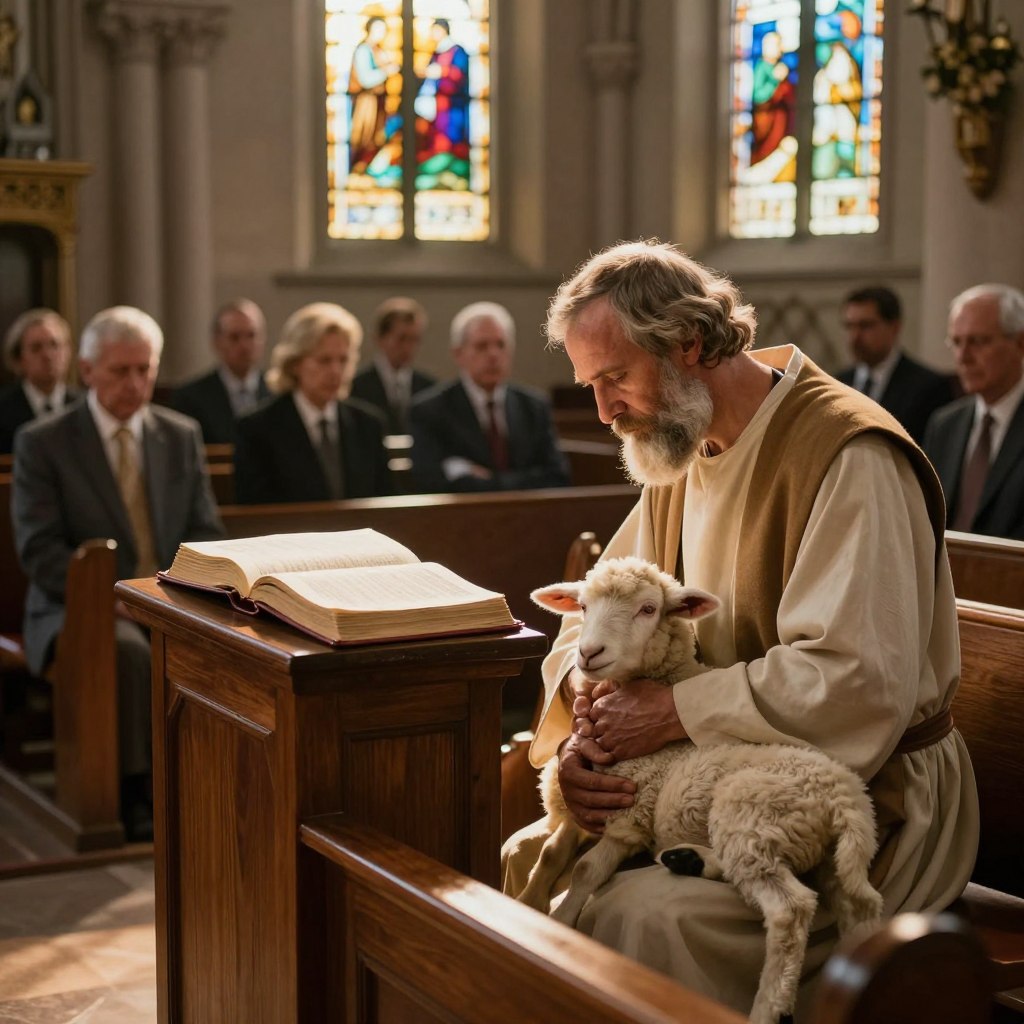
Seeing the Crowds as Sheep Without a Shepherd
The image of sheep without a shepherd is a strong metaphor for the people’s spiritual state. In ancient times, sheep relied on their shepherd for everything. Without one, they were at risk and could easily get lost.
Jesus saw the same risk in the people he met. He didn’t judge them but felt deep, transformative compassion for them. This view is key in this gospel commentary. It shows that Christ cares for the lost and the marginalized.
The Urgent Need for Laborers in the Harvest
After seeing the crowds, Jesus spoke to his disciples. He saw the world as a field ready to be harvested but with too few workers. He called for active participation from his followers in the kingdom’s work.
The urgency of the harvest means the time for ministry is always now. Jesus asked for workers to help meet the world’s spiritual hunger. This gospel commentary urges every follower to help the abandoned in their communities.
Matthew 10:1-4: The Selection of the Twelve Apostles
The selection of the Twelve Apostles was a key event for the early Church. Jesus chose them after seeing the crowds’ exhaustion. This was a moment of spiritual reflection where he prepared them to carry on his work.
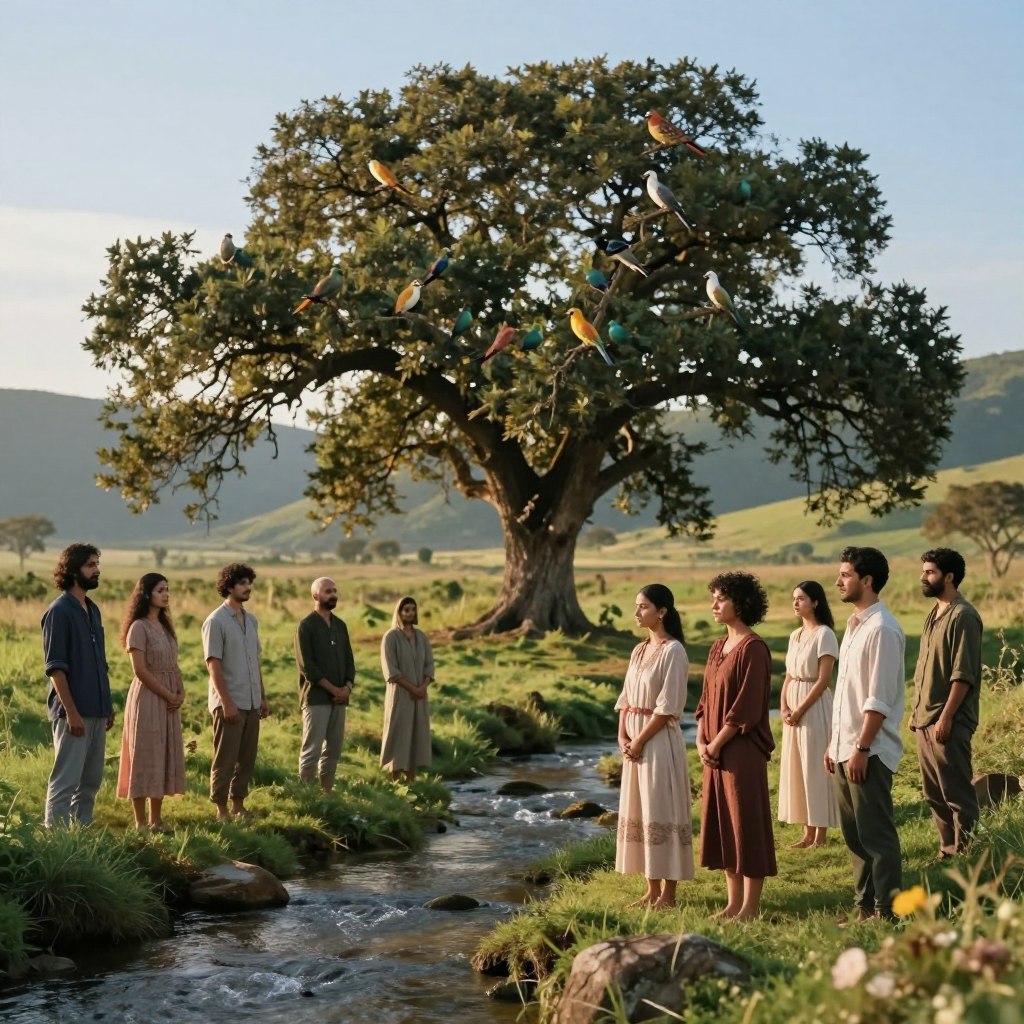
The Authority Given to the Disciples
Jesus gave his followers the power they needed to succeed. He gave them specific authority to heal and cast out evil spirits. This power was not for their own fame but to prove the Kingdom’s message.
By giving them this power, Jesus made sure his work would live on. The disciples became channels of God’s grace. They showed that the Church’s mission comes from Christ’s authority. This is a key part of our spiritual reflection today.
Reflecting on the Diversity of the Apostolic Band
The group Jesus chose was very diverse. They came from different backgrounds and social classes. This diversity shows the Gospel’s message of unity and inclusion.
Look at the different roles and backgrounds of those chosen:
- Fishermen: Men used to hard work and patience.
- Tax Collectors: People seen as working with the Romans.
- Zealots: Those with strong political views against the current system.
This unique assembly proves that being a disciple goes beyond personal differences. When united by Jesus’ mission, their past differences disappeared. They became a strong team, showing the Church is based on faith and shared purpose, not social status or politics.
Matthew 10:5-8: The Mission to the Lost Sheep
The call to reach the lost sheep is key for today’s church service message. Jesus chose his closest followers and gave them a mission. They were to spread his teachings beyond his immediate area. This change was a big step in their journey.
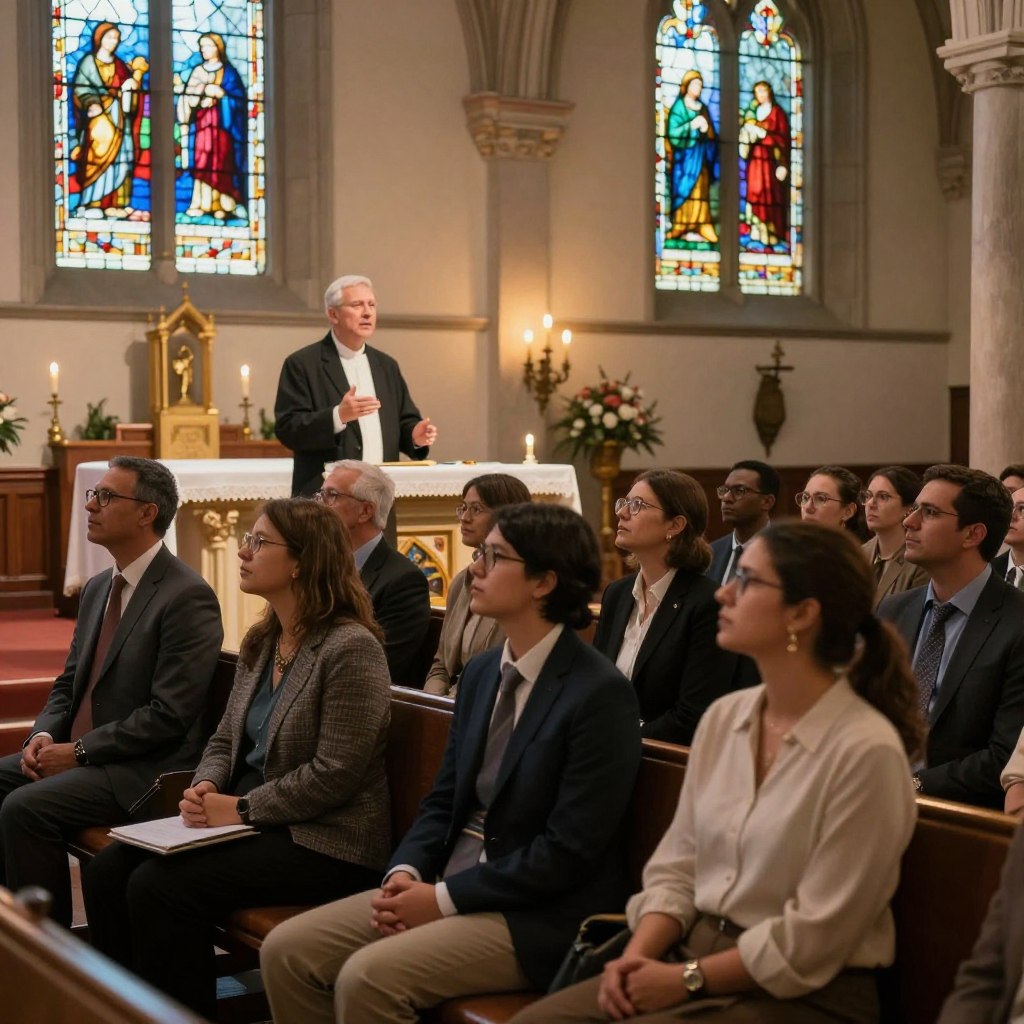
The Specific Instructions for the Mission
Jesus told his disciples to start with the house of Israel. He called them lost sheep, showing they needed guidance and spiritual help. This shows the Church’s mission is to help those most in need of God’s grace.
The boundaries Jesus set were not permanent. They were a starting point for the Gospel. He taught his followers to be purposeful in their work. This way, they could show the power of the message they carried.
The Power to Heal and Proclaim the Kingdom
The authority given to the disciples was amazing. They could heal the sick, cleanse lepers, and even raise the dead. They were to tell everyone that the Kingdom of heaven was near. This supernatural authority showed God’s presence in them.
These actions are not just history. They are still our duty today. Every church service message should aim to heal and bring hope. By following Jesus’ instructions, we keep building the Kingdom in our communities.
Homily Eleventh Sunday in Ordinary Time: Themes of Stewardship
The homily eleventh sunday in ordinary time shows how divine grace and human generosity are connected. It’s a time to think about our relationship with the blessings we have. We learn that every talent and resource comes from God.
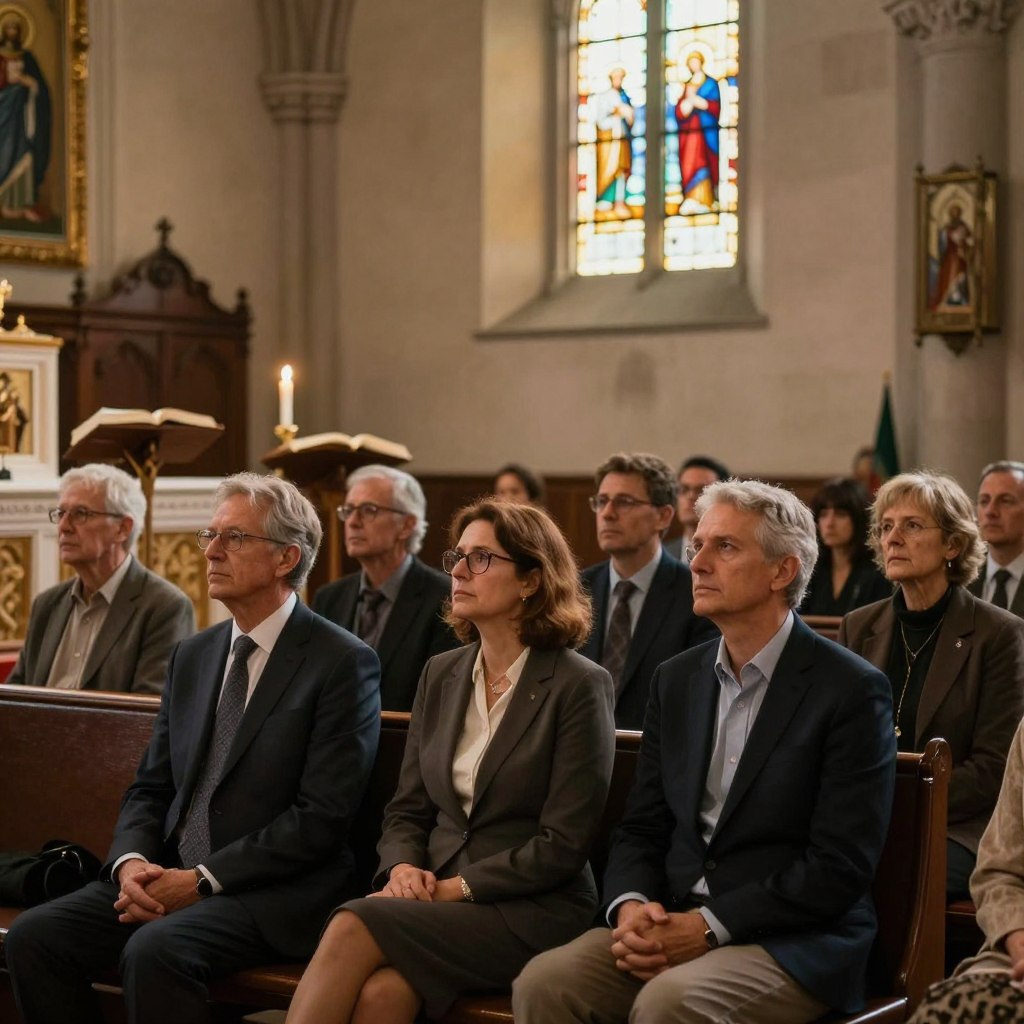
Sharing the Gifts Received Without Cost
The main message of this season is that all gifts come from God without cost. This means we should give to others with the same generosity. Giving back shows our gratitude for what we’ve received.
Seeing life this way makes sharing natural, not a chore. Generosity shows a heart that understands God’s provision. By not holding onto everything, we find freedom in following the Gospel.
The Responsibility of the Modern Disciple
Today’s disciple must deal with a culture that values personal gain over community. A homily eleventh sunday in ordinary time urges us to see ourselves as stewards, not owners. This change means using our time, talents, and resources for the good of all.
Stewardship is more than just giving money. It’s a holistic approach to life. It means using our gifts to help others and our parish. By doing this, we turn our daily lives into acts of faith and love.
The Intersection of Old and New Covenants
A thoughtful religious sermon often explores how ancient promises to Israel are fulfilled in Jesus. This doesn’t erase the past but elevates it. It helps believers understand their role in the story of salvation.
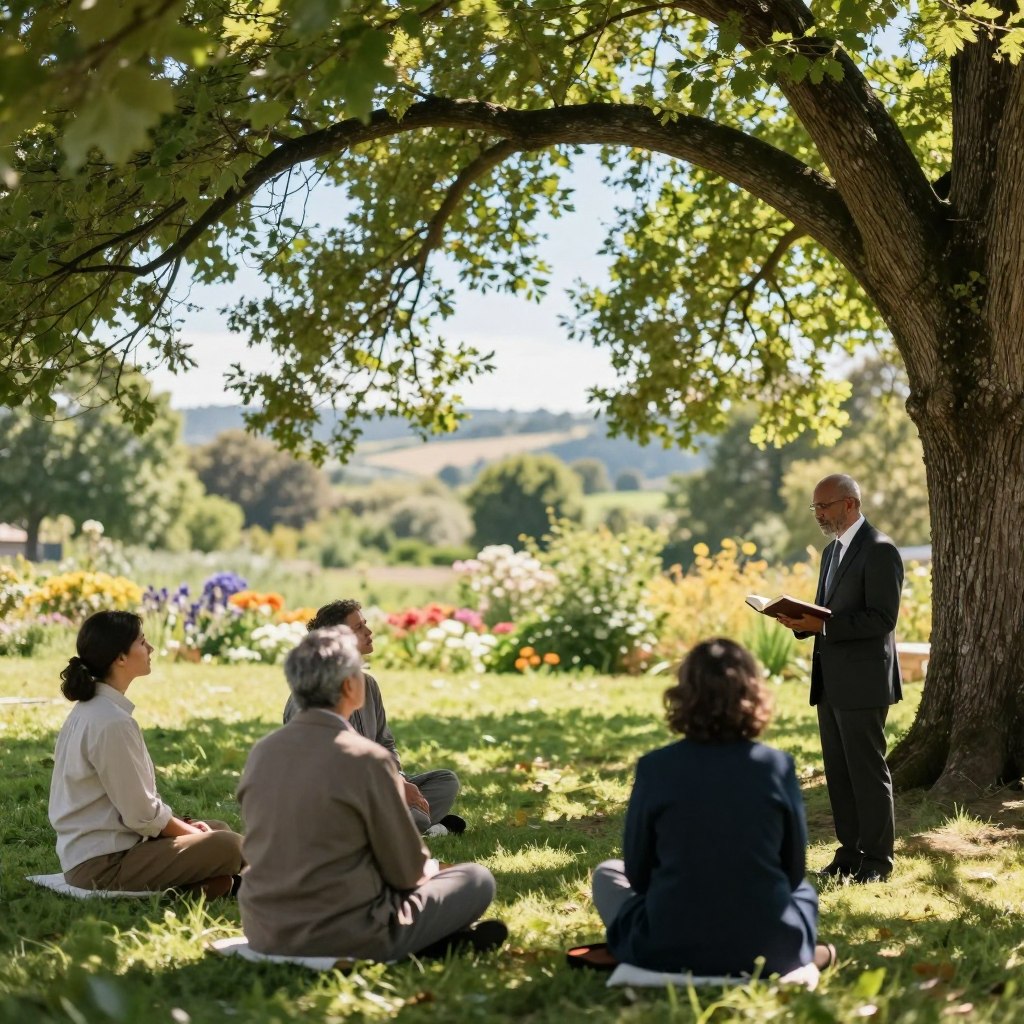
From the Law of Moses to the Grace of Christ
The Law given to Moses guided Israel, teaching about holiness and justice. It was meant to lead to something greater. Christ came not to get rid of the Law, but to complete it with grace.
This change is from following rules to changing from the inside out. Jesus’ sacrifice made the Law’s demands possible for those living by the Spirit. This idea is key in any good religious sermon today.
Continuity in the Divine Plan of Salvation
The same God who freed Israel from Egypt calls the Church today. There’s a deep continuity in God’s plan from the past to now. This continuity gives comfort and assurance to those seeking God’s will.
The table below shows how the Old and New Covenants are connected:
| Feature | Old Covenant | New Covenant |
|---|---|---|
| Primary Focus | The Mosaic Law | The Grace of Christ |
| Nature of Bond | Covenant of Works | Covenant of Faith |
| Divine Presence | Tabernacle/Temple | Indwelling Spirit |
| Ultimate Goal | Preparation | Redemption |
Spiritual Reflection on Pastoral Care
Pastoral care is the heart of a vibrant parish community. It connects the teachings from sunday reflection to the lives of parishioners. Churches become living sanctuaries of support and grace through this ministry.

Emulating the Compassion of Jesus in Parish Life
To show Jesus’ compassion, parish leaders must look beyond the pews. They should create a place where everyone feels seen, heard, and valued. Small acts of kindness can have a big impact.
Parishes can make their community welcoming in several ways:
- Start visitation teams for those who can’t leave their homes.
- Begin small group ministries for shared experiences.
- Offer counseling for those facing personal challenges.
Addressing the Spiritual Hunger of the Contemporary World
Many feel lost in their faith today due to fast-paced life. Churches need to be proactive in outreach, not just wait. By seeking out the marginalized, churches show compassion like a shepherd finding the lost sheep.
The table below shows how parishes can change their outreach to meet today’s needs:
| Strategy Focus | Traditional Approach | Modern Pastoral Approach |
|---|---|---|
| Community Engagement | Passive announcements | Active digital and personal outreach |
| Support Systems | Clergy-led only | Empowered lay-led support groups |
| Inclusion | Focus on regular attendees | Intentional welcome for the alienated |
| Goal | Maintaining attendance | Fostering deep spiritual connection |
By making these changes, churches make sunday reflection more than just a weekly event. It becomes a catalyst for ongoing change. This focus on authentic pastoral care is key to nourishing souls in today’s world.
Liturgical Preaching and the Call to Discipleship
Liturgical preaching connects ancient scriptures with today’s believers. It’s more than just reading words; it’s a spiritual encounter. It invites people to think about their relationship with God.
By linking the Sunday readings to our lives, the minister helps us see our experiences in a bigger picture. This picture is the story of salvation.
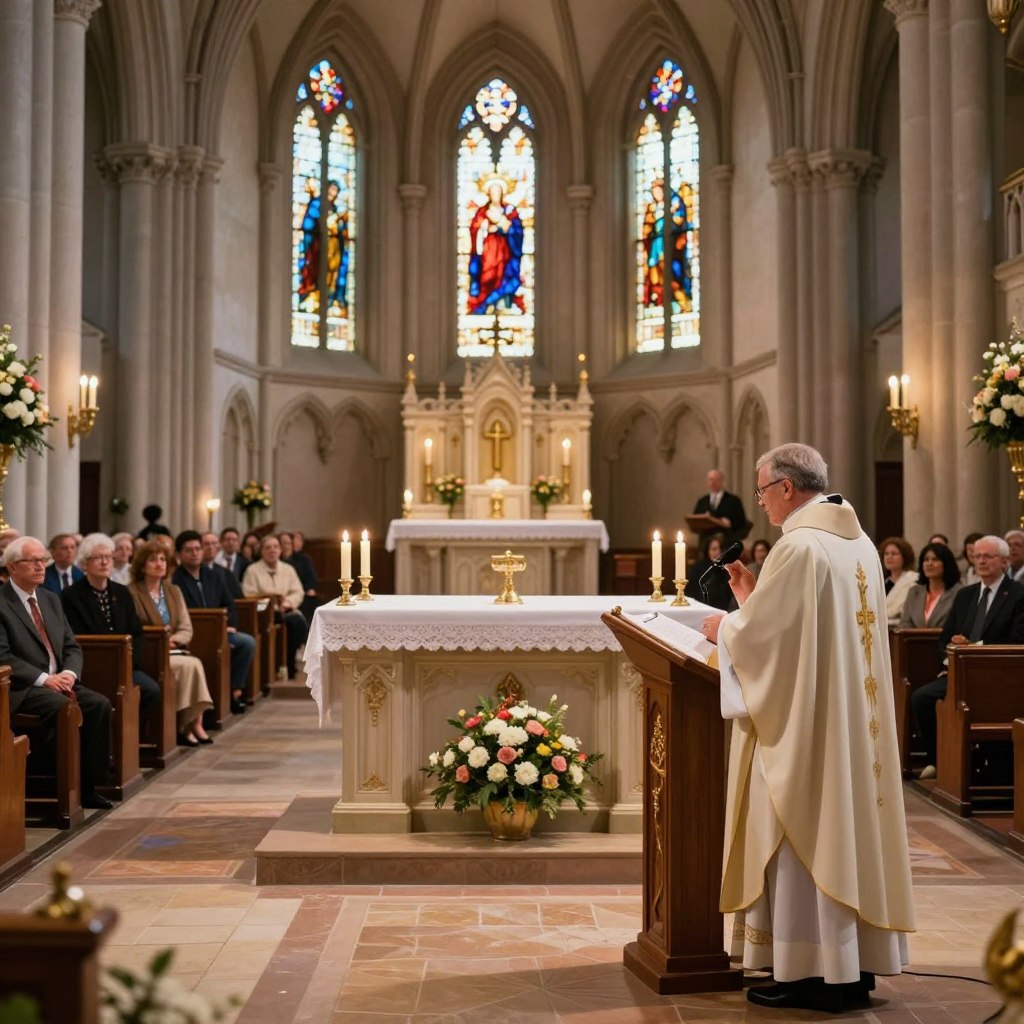
Communicating the Gospel Message Effectively
Good liturgical preaching mixes deep theology with easy-to-understand language. It aims to reach everyone in the parish. When the message is clear and relatable, the Gospel comes alive.
A great catholic homily talks about faith and tackles today’s issues. It uses a clear structure to explain complex ideas. This makes us understand God’s plan better and think about it all week.
Encouraging Active Participation in the Church
The goal of the ministry of the word is to get people involved in the Church. When the message is strong, it encourages us to do more than just attend. This is key for a lively and caring parish.
The table below shows how to engage people through good communication and care:
| Strategy | Focus Area | Expected Outcome |
|---|---|---|
| Thematic Clarity | Scriptural Context | Increased Biblical Literacy |
| Relatable Examples | Daily Life Application | Stronger Faith Integration |
| Call to Action | Parish Involvement | Higher Volunteer Participation |
| Reflective Dialogue | Community Feedback | Enhanced Spiritual Growth |
The success of a catholic homily is seen in how it changes people’s lives. By focusing on service, the Church becomes a place of mission. This ongoing effort keeps the Gospel alive in today’s world.
The Role of Repentance in the Christian Life
In a homily eleventh Sunday in ordinary time, we learn that repentance is always open to us. It’s not just about saying sorry once. It’s about always wanting to be closer to God. This way, we stay open to the grace that helps us every day.
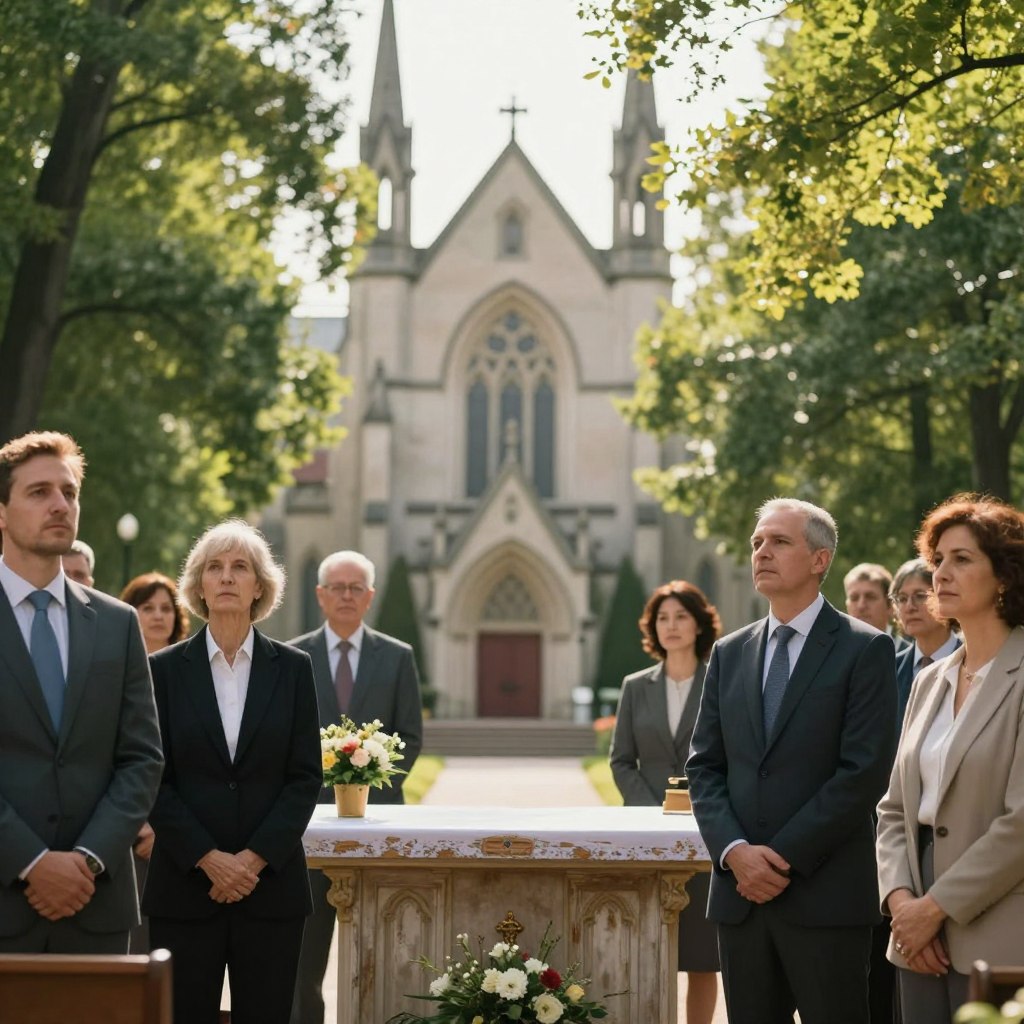
Understanding Repentance as a Continuous Process
Repentance is a continuous journey, not a one-time event. It means we regularly check our hearts and make sure they’re in line with God’s will. By turning away from things that distract us, we grow closer to the Lord.
This journey has several important parts for a follower of Christ:
- Daily reflection on our thoughts and actions.
- Humility in recognizing our need for God’s guidance.
- Persistence in asking for forgiveness and making things right.
- Gratitude for the mercy we get every day.
The Relationship Between Belief and Transformation
Belief and personal change are deeply connected. When we really believe in the Gospel, we start to change inside. This change shows up in how we act, showing the love and kindness of Christ to everyone.
In a homily eleventh Sunday in ordinary time, faith is key to this change. Belief gives us the base, and repentance helps us get rid of things that block grace. This way, we go through a profound metamorphosis that changes who we are and how we live.
Church Service Message: Building the Kingdom Today
A strong parish sermon pushes believers to take their faith outside the church. It connects the spiritual world with our everyday lives. This makes the Gospel a real force for good.
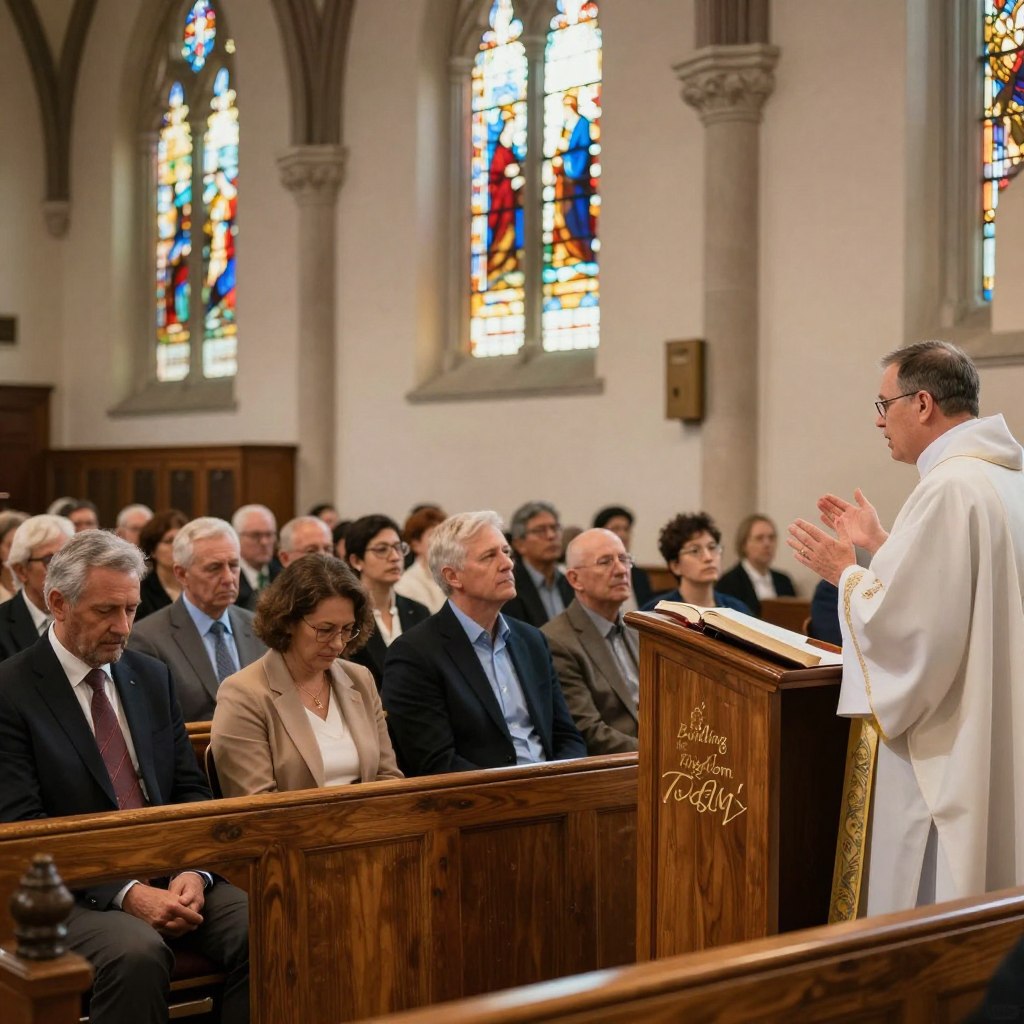
Practical Applications for Daily Living
Being a disciple today means more than just showing up. It’s about thinking and imagining a better world. When we dream of a fair and loving future, we help create it. This way, we see the world through God’s eyes.
Living out our faith means making small, consistent choices. These choices can be as simple as being kind at work or standing up for those who are overlooked. A good church service message helps us move from believing to doing.
Overcoming Obstacles to Evangelization
In today’s world, sharing our faith can be tough. Many fear being seen as out of touch. But true witness is about showing the transformative power of grace, not forcing our views.
To get past these fears, we need to build real connections. By listening to others, we open doors for the Gospel to enter their lives. This way, every conversation becomes a chance to share our faith quietly and effectively.
| Focus Area | Traditional Approach | Modern Discipleship |
|---|---|---|
| Community Engagement | Internal Church Events | Public Service & Advocacy |
| Faith Expression | Formal Proclamation | Relational Witnessing |
| Daily Mindset | Passive Observation | Active Visioning |
Theological Insights for the Modern Believer
The twenty-first century brings many challenges that need a strong faith base. A well-crafted religious sermon helps connect ancient teachings with today’s issues. It gives believers the tools to face modern life with confidence and direction.
Reflecting on the Grace of Justification
Justification is more than just a legal term; it’s a deep transformation of the heart. It’s God’s gift that fixes the broken bond between us and Him. This grace doesn’t just forgive past wrongs; it empowers us to live with integrity and hope.
When we accept this grace, we enter a new way of living. It changes our focus from trying to earn love to responding to the love already given. This shift sparks personal growth and moral strength in all areas of life.
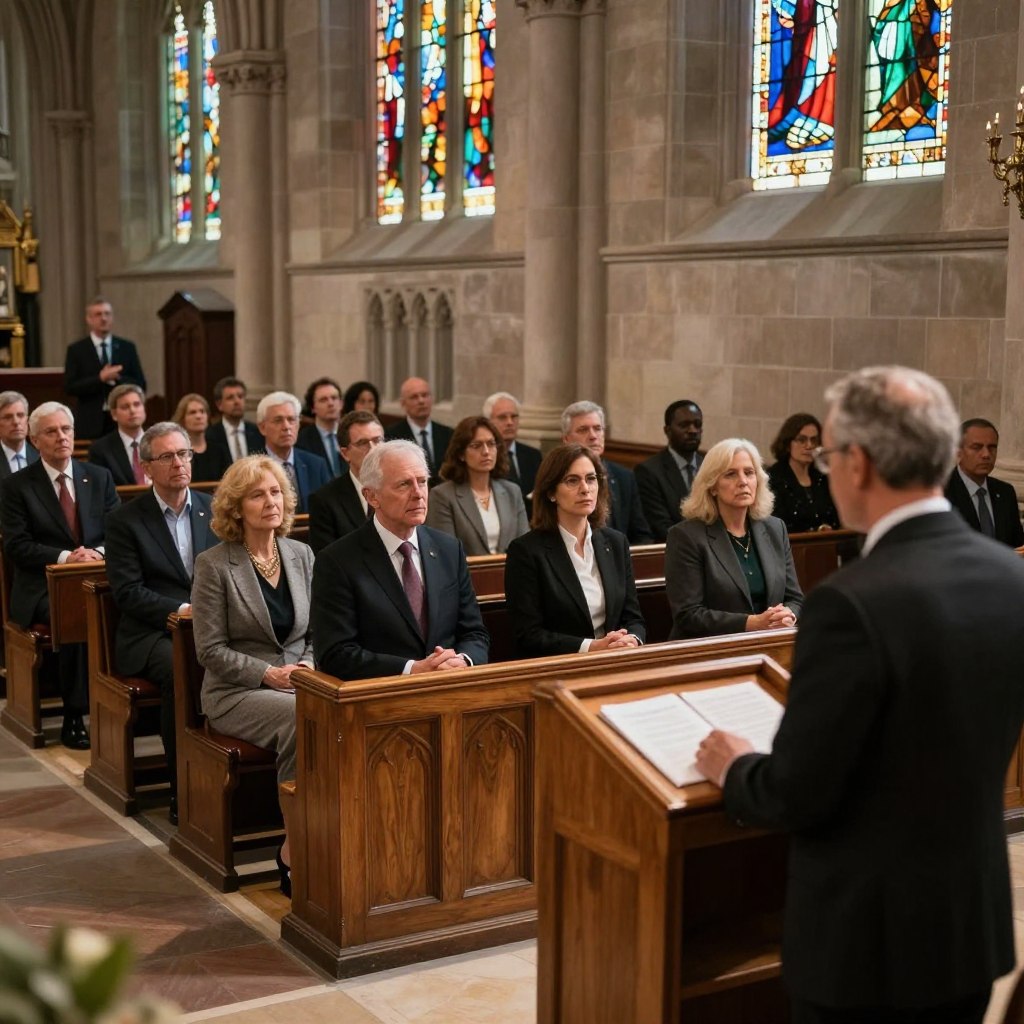
Living as a Witness to the Resurrection
Being a witness to the Resurrection means living with hope every day. It’s not just believing; it’s actively choosing to hope, even when things are tough. A thoughtful religious sermon reminds us that our actions show the world Christ’s victory over darkness.
This witness is shown through small acts of kindness and justice. By acting with compassion, we show the Resurrection’s power is alive today. This life of witness is a compelling sign of God’s presence in a world seeking meaning and real connection.
Conclusion
The readings for the eleventh Sunday in Ordinary Time offer a clear path for today’s believers. They remind us that we are chosen members of God’s family. This role comes with a big responsibility to show compassion in a world that hurts.
Thinking about God’s covenant love changes how we see our daily tasks. It makes ordinary work a mission of service. Every act of kindness helps grow the Kingdom.
The homily’s message urges us to share our gifts freely. Trusting in God’s grace helps us overcome barriers to sharing the Gospel. This commitment strengthens the Church’s bond with its community.
We are called to apply these lessons in our parishes and homes. Being active in the Church is the best way to show the power of the resurrection. May this reflection inspire us to live our faith with renewed energy.

💬 Share Your Reflection