
Life can feel heavy at times. Many find it hard to stay strong against personal struggles or outside pressures. Finding peace in these moments means trusting in something greater than ourselves.
This guide offers a thoughtful twelfth sunday in ordinary time homily. It helps both clergy and laity face challenges. By looking at the liturgical readings, we can find the courage to speak our truth. It gives us tools to grow closer to God and to each other during this special time.
Sunday Homily Year A Sunday Homily Year B Sunday Homily Year C
Key Takeaways
- Understand the liturgical significance of the upcoming readings.
- Develop strategies for delivering a message of courage and faith.
- Access practical tools for personal reflection and spiritual growth.
- Strengthen the bond between individual prayer and communal worship.
- Embrace the call to proclaim truth without fear in daily life.
Understanding the Liturgical Context of the Twelfth Sunday in Ordinary Time
Understanding the liturgical season homily means knowing the church’s rhythm. This Sunday falls in the middle of Ordinary Time. It’s a time to learn more about Christ’s teachings.
It connects the major feasts, helping us stay grounded in our faith. It’s about the steady, daily walk of discipleship.
Ordinary Time is not boring; it’s a time for growth. The readings for this day challenge us to live the Gospel in today’s world. They help us see how faith guides our choices.
To prepare a good liturgical season homily, we need to connect old texts with today’s life. When we get the context of the readings, we can apply them to our struggles. This makes Sunday Mass a vital source of strength for the week.
Scriptural Analysis of Jeremiah 20:10-13
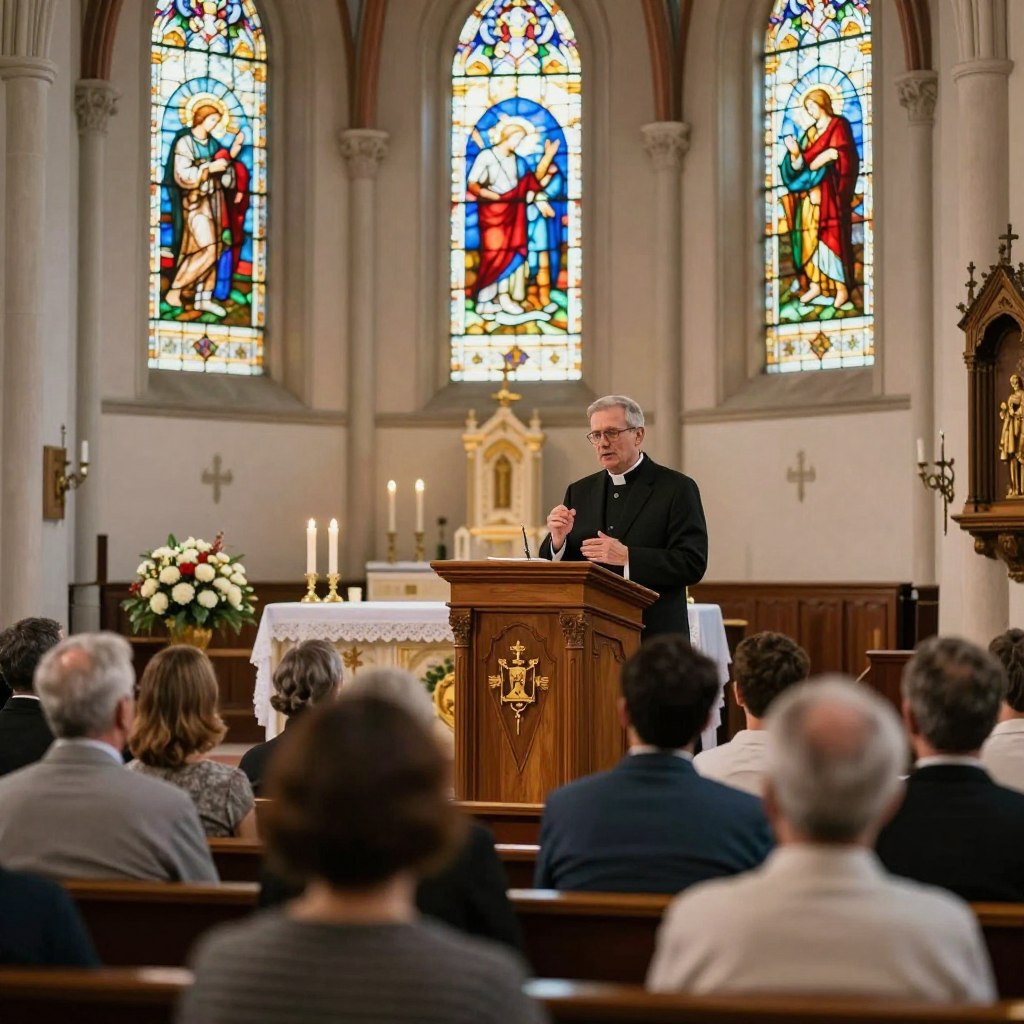
Jeremiah 20:10-13 tells a story of feeling alone when speaking the truth. This story is often shared in a catholic sermon. It shows the prophet’s struggle to keep going despite being surrounded by those who want him to fail.
The Prophet’s Struggle with Persecution
The prophet faces pressure from even his friends, who wait for him to make a mistake. Enemies also try to discredit him by publicly attacking his message. This emotional burden is something many face when they stand up for what they believe in.
The table below shows the prophet’s struggles and how he responds spiritually.
| Source of Pressure | Nature of Conflict | Prophet’s Response |
|---|---|---|
| Former Friends | Betrayal and watching for failure | Turning to the Lord |
| Open Enemies | Public denunciation and threats | Faithful proclamation |
| Social Isolation | Feeling alone in the truth | Seeking divine protection |
Finding Trust in the Lord Amidst Denunciation
Jeremiah finds strength in the Lord, seeing Him as a mighty champion who protects him. This shift from feeling hopeless to having faith is an important lesson. It’s something often discussed in a catholic sermon about staying strong.
By trusting in God, Jeremiah gains the courage to keep going. He shows that true peace comes from God, not from people’s approval. This wisdom is still important today for those facing challenges.
The passage urges us to stay strong when we’re criticized or feel alone. We should follow the prophet’s example and rely on God. A good catholic sermon will often talk about this as a way to overcome fear and find victory.
Reflecting on the Responsorial Psalm 69
Psalm 69 connects ancient prayers with today’s struggles. It shows the deep feeling of being left behind yet holding onto hope for God’s mercy. Through these verses, believers can find a sunday mass reflection that speaks to their lives.
Themes of Suffering and Divine Deliverance
Psalm 69, verses 8-10, 14, 17, and 33-35, talks about a servant’s suffering for the Lord. The psalmist openly shares their pain but holds onto the belief in divine intervention. This mix of pain and trust is common in biblical prayers.
The psalm touches on several human experiences in hard times:
- The feeling of being alone when standing for one’s faith.
- The ongoing plea for God to look upon the suffering.
- The strong belief that God listens to the cries of the poor.
Connecting Personal Trials to Communal Prayer
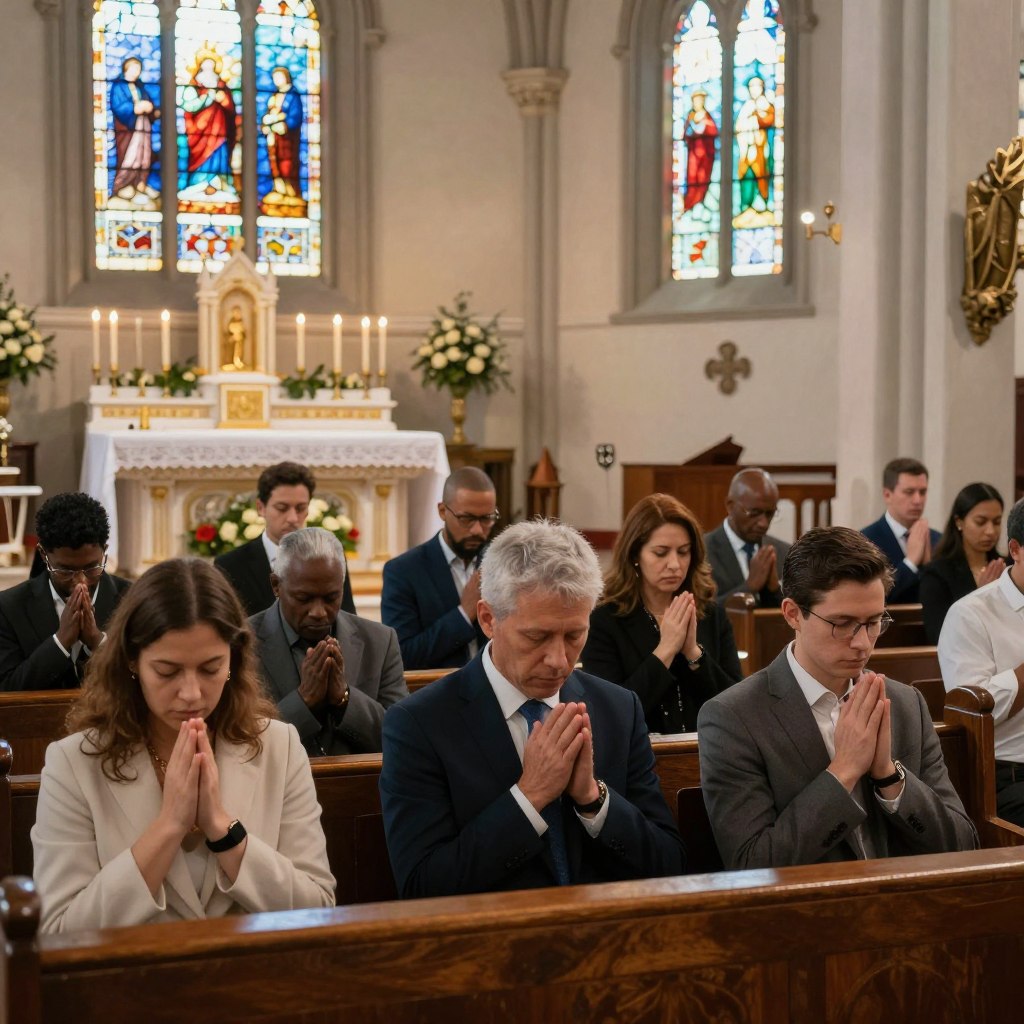
Bringing our personal struggles to church turns our pain into a shared act of worship. A thoughtful sunday mass reflection uses these psalms to remind us we’re not alone. We find strength in praying together, seeking God in our troubles.
“For the Lord hears the poor, and his own who are in bonds he does not spurn.”
Prayer together helps us support each other through hard times. By praying together, we show our struggles are recognized by God. This shared hope makes our community stronger as we face today’s challenges.
Theological Depth in Romans 5:12-15
Romans 5:12-15 shows a big difference between the fall of man and the victory of Christ. This scripture commentary helps readers see the key points Saint Paul makes about human life. It shows us all need salvation.

Adam and the Origin of Sin
Saint Paul says sin came into the world through Adam, causing death for everyone. This theological framework shows how one act of disobedience messed up creation. It reminds us that human history is shaped by Adam’s mistake.
“For if by the transgression of the one, death reigned through that one, how much more will those who receive the abundance of grace and of the gift of righteousness reign in life through the one, Jesus Christ.”
The Abundance of Grace Through Jesus Christ
Paul then talks about the gift of grace through Jesus Christ. Adam’s sin brought condemnation, but God’s grace offers justification and eternal life. This scripture commentary says grace is more than just fixing sin; it’s a powerful force that goes beyond human failure.
The table below shows the difference between Adam’s legacy and Christ’s gift:
| Feature | Legacy of Adam | Gift of Jesus Christ |
|---|---|---|
| Primary Action | Disobedience | Obedience |
| Resulting State | Death and Condemnation | Grace and Justification |
| Scope of Impact | Universal to all humanity | Abundant for all who believe |
Getting this passage is key to understanding original sin and the transformative power of the Gospel. Even where sin once ruled, God’s grace is more powerful. This gives hope to those wanting to follow Christ’s teachings more deeply through scripture commentary.
Exegesis of the Gospel of Matthew 10:26-33
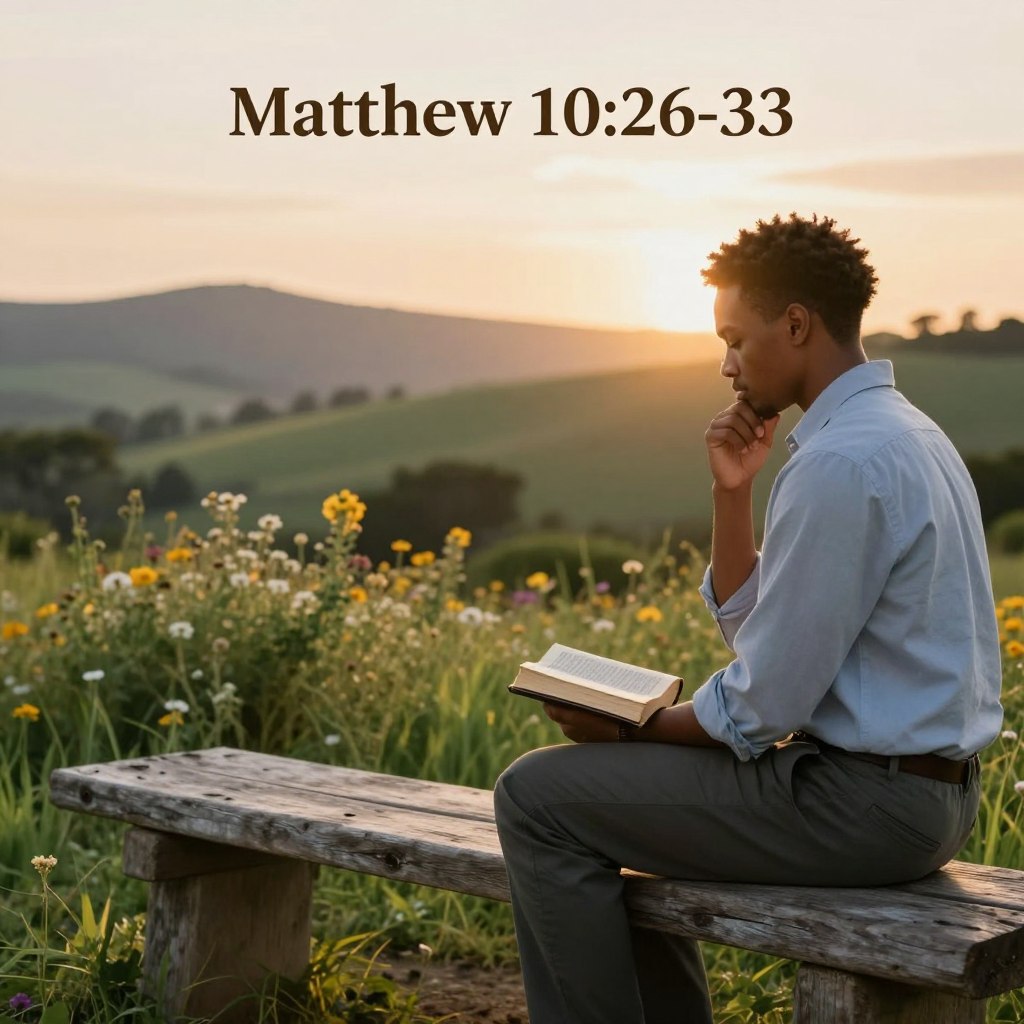
A close gospel reflection on Matthew 10:26-33 shows Christ’s mission for us. Jesus tells his followers they will face challenges while sharing the Good News. He wants them to focus on God’s kingdom, not earthly dangers.
The Call to Fearless Proclamation
Jesus tells his followers not to fear those who can harm the body. He says the truth will be revealed soon. This courageous stance is a must for following him.
“So have no fear of them; for nothing is covered that will not be uncovered, and nothing secret that will not become known.”
We are called to share the Gospel message openly, no matter the cost. This means putting God’s fear above human judgment. By focusing on our divine mission, we find the courage to stand strong against opposition.
Understanding the Value of the Individual Soul
The text shows how precious every person is to God. Jesus says even the smallest details of our lives are known and valued by the Father. This gospel reflection tells us our worth comes from God’s love, not human approval.
When we share Christ with others, we join a sacred bond that goes beyond life. Let’s look at some key points of this divine promise:
- Divine Providence: God cares for the smallest details of our existence.
- Spiritual Integrity: We must distinguish between physical death and the loss of the soul.
- Public Witness: Acknowledging Christ is an act of faith that secures our place in the kingdom.
In the end, this passage reminds us our lives are forever meaningful. By believing this, we can overcome world worries and live with bold confidence in our faith. This view is crucial for any gospel reflection today.
Core Themes for a Twelfth Sunday in Ordinary Time Homily
Creating a meaningful twelfth sunday in ordinary time homily means tackling common barriers to sharing faith. Many feel hesitant to talk about their beliefs in public. This fear often comes from a worry of being judged or avoiding conflict in a secular world.
Overcoming the Fear of Public Witness
The challenge of speaking out is not new. Prophets and apostles faced similar hurdles. A homily should remind us that courage is not the absence of fear, but acting despite it. This approach validates our fears while encouraging us to follow a higher calling.
Here are some ways to encourage the congregation:
- Identify the root of the fear: Help people see that their anxiety often stems from a need for approval.
- Focus on small acts: Encourage small, consistent actions of witness in everyday life.
- Share personal stories: Use examples of how faith can be lived out in work and social life.
The Assurance of God’s Constant Presence
Moving from fear to confidence comes from knowing God is always with us. A well-crafted twelfth sunday in ordinary time homily reminds us we’re never alone when standing for truth. This divine presence is our anchor in doubt or pressure.
When we grasp God’s promise of presence, our view on sharing faith changes. We see our faith as a source of strength to share with others. This shift makes witnessing an act of gratitude and love, not a daunting task.
Crafting an Inspiring Moral Story for the Homily
An inspirational message can turn a simple homily into a lasting lesson. Preachers use stories to make complex ideas easy to see. This way, listeners can imagine themselves in the story and find their place in the divine plan.
The Parable of the Unseen Anchor
Imagine a seasoned sailor in a fierce storm at midnight. The waves were crashing, and he couldn’t see the shore or stars. Yet, he remembered the heavy iron anchor he had dropped into the dark waters hours ago.
Even though he couldn’t see it, he knew the anchor was holding his ship steady. Faith, like that anchor, works even when life is dark.
“Faith is the bird that sings when the dawn is still dark.”
Applying the Lesson to Modern Challenges
We all face storms in life, like uncertainty, financial stress, or loss. It’s easy to feel lost without direction or safety. This inspirational message tells us that God is our anchor.
We may not see the results of our prayers or God’s presence in hard times. But we’re called to trust that our spiritual foundation is strong. Anchoring our hearts in Scripture helps us face today’s challenges with courage and peace.
Five Religious Jokes to Lighten the Homily
A little humor can make a big difference in a catholic sermon. It helps connect with the audience and keeps them interested. Humor makes complex ideas easier to understand. These five jokes touch on life in the parish and faith, adding to the message without getting in the way.
The Parishioner and the Pews
A parishioner once said the pews were too hard. The pastor smiled and said, “That’s on purpose, my friend. It keeps you awake during the sermon so you can hear the message!”
The Sunday School Question
During a lesson on creation, a teacher asked, “Who made the world?” A boy quickly said, “God did!” The teacher smiled, then a girl whispered, “I think he just guessed because he saw the answer in the back of the book.”
The Pastor and the Parrot
A pastor had a parrot that only said, “Let’s kiss!” The priest was embarrassed and asked the Bishop for help. The Bishop suggested using a well-behaved parrot to teach the other to pray. This surprisingly changed the bird’s words.
The Confessional Mix-up
A man went into the wrong booth in the confessional. He started listing his sins. After a long silence, a voice said, “Sir, you are in the wrong booth; this is the janitor’s closet.”
The Heavenly Gatekeeper
A man came to the pearly gates and asked Saint Peter to let him in. Peter asked, “What have you done to deserve this?” The man said, “I once gave a dollar to a homeless person.” Peter looked at his ledger, sighed, and said, “Here is your dollar back; now find another way in.”
“A merry heart doeth good like a medicine: but a broken spirit drieth the bones.”
When choosing humor for your message, consider how it affects the audience. Here’s a guide on using humor:
| Humor Type | Best Usage | Expected Impact |
|---|---|---|
| Self-Deprecating | Opening remarks | Builds humility and trust |
| Observational | Mid-homily transition | Increases relatability |
| Lighthearted Parable | Closing illustration | Leaves a lasting impression |
Practical Applications for Sunday Mass Reflection
A meaningful sunday mass reflection connects the sacred liturgy to everyday life. Worship is powerful, but faith is tested in quiet moments later. By carrying these lessons forward, believers keep their spiritual journey vibrant.
Integrating Scripture into Daily Decision Making
Morning prayer is a great way to stay connected. A few minutes of meditation on the readings can guide daily choices. This habit turns a sunday mass reflection into a practical tool for life’s challenges.
Evening reflection helps see how scriptural truths were applied. It shows where to grow and strengthens the commitment to the Gospel. Consistency in these daily actions builds a strong faith foundation.
Cultivating a Spirit of Courageous Faith
Living by your beliefs takes inner strength, especially in today’s world. A deep sunday mass reflection gives the right perspective on personal challenges. Believers find courage to stay true to their convictions.
The aim is to let the liturgy shape one’s character. Acting with integrity and grace shows the power of worship. This courageous faith inspires others, proving Sunday’s lessons are for every day.
The Twelfth Sunday in Ordinary Time Homily and Liturgical Living
The twelfth sunday in ordinary time homily connects the church to our daily lives. It encourages us to share the Gospel’s message at home and work. This helps us find purpose beyond our daily tasks.
Aligning Personal Life with the Liturgical Season
Living in sync with the church calendar is a challenge. A good liturgical season homily helps us see our time as a spiritual journey. It makes our daily choices reflect our faith values.
Aligning our lives with the liturgical calendar brings peace. It turns everyday moments into chances for prayer and thought. This way, the lessons from Sunday can guide us all week.
Resources for Deepening Scripture Commentary
Our faith journey doesn’t stop after Mass. Many seek scripture commentary to grasp the readings better. Reliable resources help us apply ancient wisdom to today’s problems.
Studying with scholarly texts or online platforms broadens our faith understanding. This ongoing study keeps the insights from the twelfth sunday in ordinary time homily relevant. Here’s a guide to deepen your faith engagement.
| Engagement Level | Primary Activity | Expected Outcome |
|---|---|---|
| Foundational | Weekly Mass Attendance | Basic spiritual nourishment |
| Intermediate | Daily Scripture Reading | Increased biblical literacy |
| Advanced | Theological Study Groups | Deepened community connection |
| Integrated | Liturgical Living | Holistic spiritual growth |
Exploring top-notch scripture commentary helps us grow beyond the weekend. This approach leads to a more integrated and meaningful spiritual life for everyone.
The Role of Christian Worship Service in Community Building
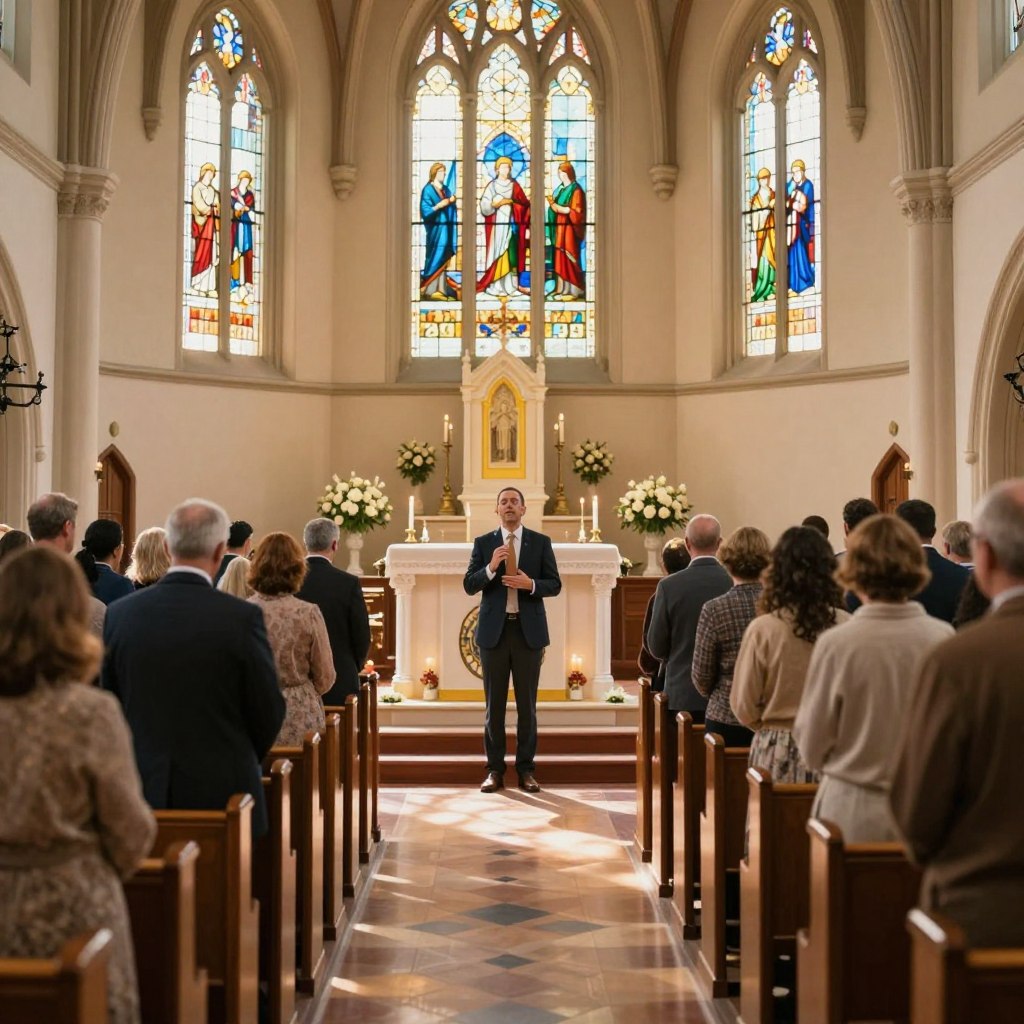
Gathering for a christian worship service turns individual believers into a united body of faith. In this sacred space, diverse members of a parish find common ground. By joining in the liturgy, they move beyond personal concerns to a shared identity in grace.
Fostering Unity Through Shared Prayer
Shared prayer is key to building a strong, supportive community. When everyone prays together, it creates a rhythmic harmony that unites hearts. The Eucharist celebration deepens this unity, as it invites all to share in spiritual nourishment.
This communal act shows that no one is alone in their journey. The christian worship service offers a consistent rhythm. It bridges gaps between different generations and backgrounds, turning strangers into a family of believers.
The Importance of Communal Support in Faith
The church is a vital sanctuary for those feeling isolated or spiritually dry. When facing personal trials, a supportive community offers essential comfort and strength. Regular attendance at a christian worship service ensures no one carries their burdens in silence.
Being part of a faith community fosters mutual care and accountability. This support system is vital for spiritual health in today’s fast-paced world. The table below shows how communal engagement enriches the faith experience.
| Feature | Individual Impact | Communal Benefit |
|---|---|---|
| Shared Liturgy | Personal Reflection | Unified Purpose |
| Eucharistic Participation | Spiritual Nourishment | Deepened Fellowship |
| Communal Prayer | Reduced Isolation | Stronger Support Network |
| Christian Worship Service | Renewed Faith | Community Growth |
Inspirational Messages for the Faithful
Believers sometimes find themselves in dark valleys where faith seems hard to see. In these times, a gospel reflection can shine a light. Remember, even the most devoted saints had doubts and hesitations.
Every inspirational message in our community reminds us we’re not alone. Prayer can give us the courage to face the unknown. It turns fear into trust in God’s plan.
Finding Hope in Times of Uncertainty
Uncertainty can lead to spiritual growth if we’re open. When the future is unclear, the Bible provides a steady base. Trusting in God’s timing lets us rest, even when we can’t see what’s ahead.
Encouragement for Those Facing Spiritual Dryness
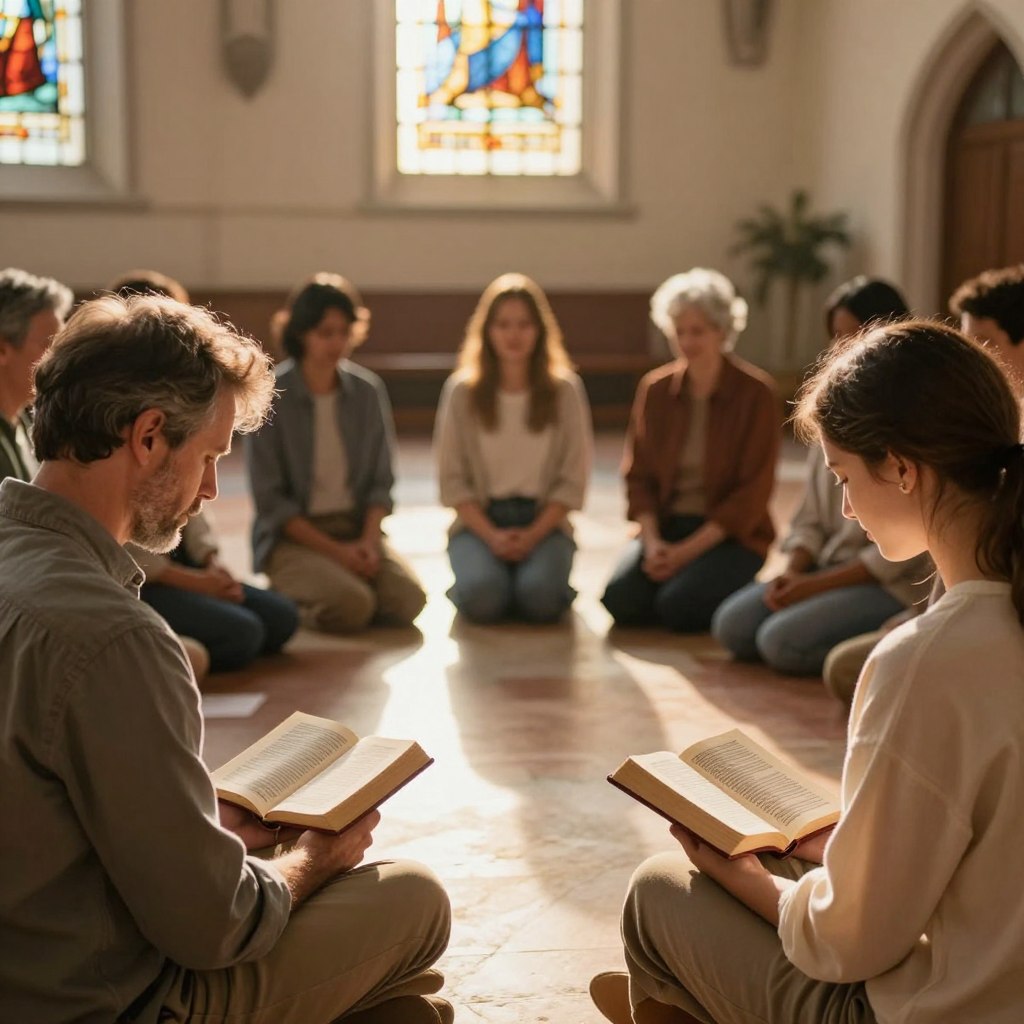
Spiritual dryness doesn’t mean you lack faith or devotion. It’s just a time to seek God in new ways. This gospel reflection urges us to keep praying, even when it’s hard.
God’s love never changes, no matter how we feel. An inspirational message for those feeling dry is to keep showing up. Small, consistent acts of devotion can open our hearts to receive God’s grace.
Preparing for the Week Ahead Through Prayer
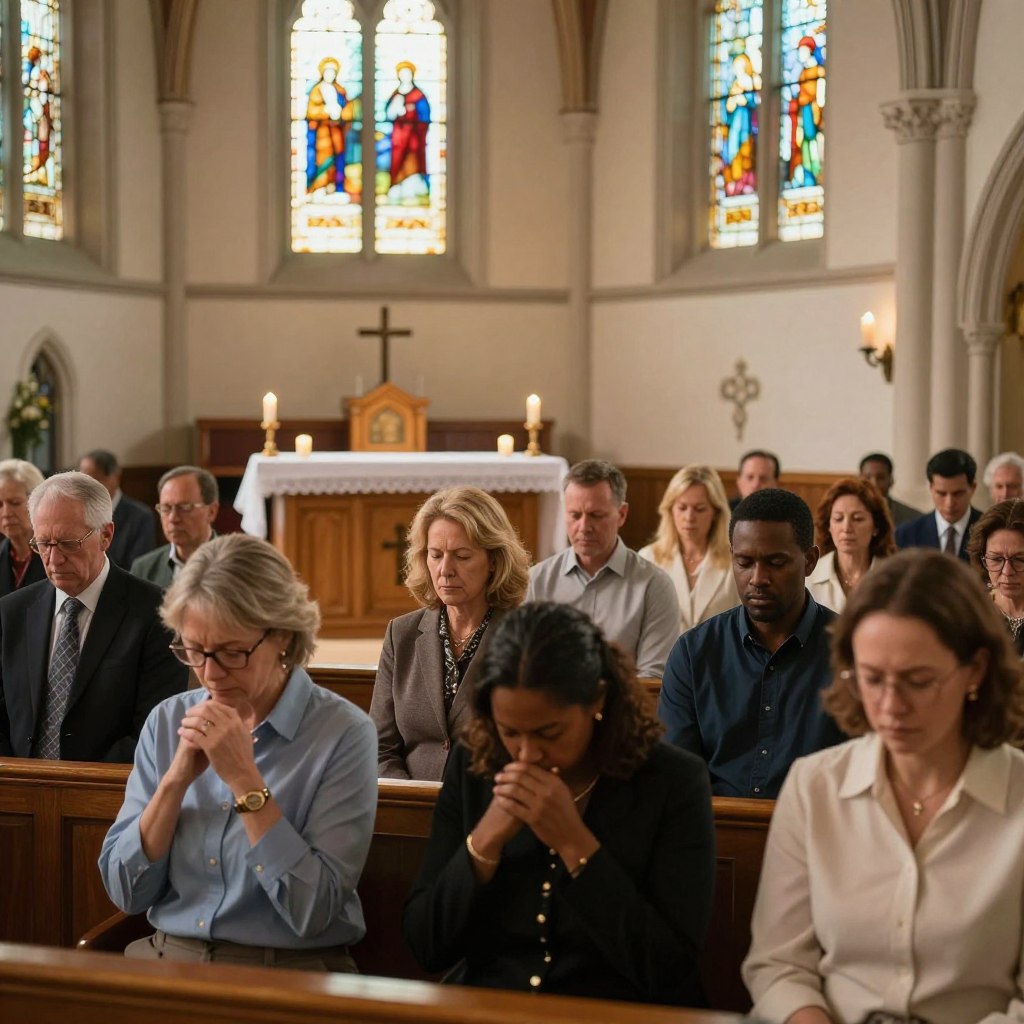
Prayer connects the church to our daily lives. It helps us keep the peace and joy from christian worship service alive. By taking time to reflect, we can bring God’s peace into our work and personal lives.
Suggested Prayers for the Twelfth Sunday
The Twelfth Sunday teaches us to trust God and stand up for what’s right. Using these themes in our daily prayers keeps our hearts close to God. Here are some prayer ideas for the week:
- Prayer for Courage: Ask for the courage to share your faith, even when it’s hard.
- Prayer for Trust: Pray to trust God more, knowing He cares for every detail of our lives.
- Prayer for Guidance: Ask for wisdom to make good choices at work and home.
Meditative Practices for the Coming Week
Meditative practices help us connect with God’s Word. Lectio Divina is a powerful way to pray with the Sunday readings. It turns the readings into a conversation with God.
To start, pick a short part of the Sunday Gospel. Follow these steps:
- Read: Read the passage slowly, letting one word stand out.
- Reflect: Think about how that word relates to your life now.
- Respond: Say a quick prayer, thanking God or asking for help.
- Rest: Take a moment to just be with God after a christian worship service.
Practicing these habits every day keeps the spiritual growth from Sunday alive. Even a few minutes a day keeps us connected to God’s strength.
Conclusion
The readings for the Twelfth Sunday in Ordinary Time call us to live with bold faith. By taking these messages to heart, we move from just watching to actively following. Trusting in God’s presence turns our challenges into chances to grow spiritually.
Being brave in our witness means having a strong heart and sticking to the truth. When we choose to live by the Gospel, we shine Christ’s light in a dark world. This action strengthens our community and gives us hope that lasts.
Our faith journey doesn’t stop when we leave church. We’re urged to bring these lessons into our daily lives. Every moment is a chance to show the value of our souls through kindness and honesty.
Make a commitment to pray and reflect for a week. Look for quiet moments to listen to the Holy Spirit’s guidance. By staying true to our faith, we help build a world filled with love and strength, as the Church teaches us.

💬 Share Your Reflection