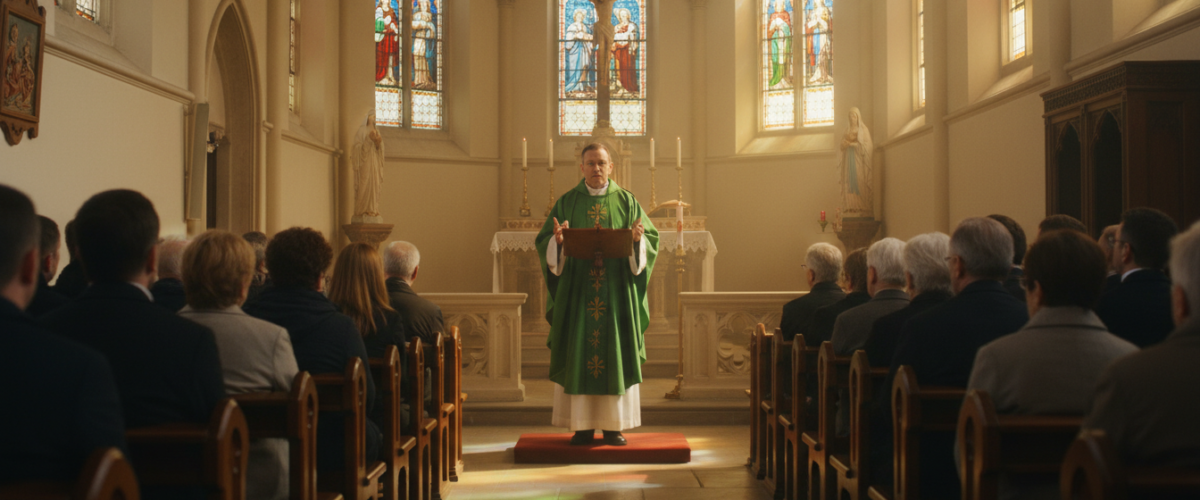
Divine Mercy Homily: Trusting in God’s Infinite Love and Forgiveness
Catholic homilies about the end world provide clarity in confusing times. The disciples once asked Jesus about signs and wonders. Their questions mirror concerns that many believers share today. The kingdom of heaven approaches not with fear but with invitation. Faith communities need authentic teaching to distinguish truth from speculation. This article explores Catholic perspectives on end times through scripture, tradition, and pastoral wisdom.
Biblical Foundations of End Times Teaching
Scripture forms the bedrock of Catholic understanding about the end. The words of Jesus provide the clearest guidance. He taught disciples to remain vigilant and faithful. The son of God spoke plainly about both challenges and glory ahead. Today, these ancient texts speak with renewed relevance to modern believers.
Gospel Accounts of Final Days
The Gospels record Jesus speaking about the end world in vivid detail. Matthew, Mark, and Luke preserve His teachings about signs in the heavens. Wars and rumors of war would mark the times ahead. Natural disasters and persecution would test believers. Yet Jesus says these events represent beginnings, not endings. The victory belongs to those who endure.
Brothers and sisters should note Christ’s emphasis on watchfulness. He compared His coming to a thief arriving unexpectedly. This imagery urges constant spiritual preparation. The light of faith must burn continuously. False prophets would attempt to deceive even the faithful. Discernment becomes crucial in recognizing authentic teaching versus deception.
Apocalyptic Vision in Revelation
The Book of Revelation offers symbolic imagery about the end times. John’s visions show cosmic battles between good and evil. The resurrection and final judgment feature prominently. Heaven opens to reveal divine glory and justice. Earth experiences tribulation before transformation. These prophetic words inspire both awe and hope.
Signs in Scripture
The Bible describes various indicators of approaching end times that believers should recognize and understand properly.
- Wars and conflicts between nations
- Natural disasters and earthquakes
- Persecution of faithful believers
- Apostasy and falling away from faith
- Gospel preached to all nations
Prophetic Promises
God’s word contains assurances about the end that provide comfort and direction for His people during trials.
- Victory for faithful disciples
- Resurrection of the dead in Christ
- New heaven and new earth
- Elimination of death and suffering
- Eternal presence with God
Call to Vigilance
Scripture repeatedly emphasizes the importance of spiritual readiness and constant watchfulness in uncertain times.
- Stay awake and alert spiritually
- Maintain faith despite trials
- Avoid false prophets and teachers
- Practice mercy and charity
- Live each day as potentially the last
Hope and Consolation
The end times message ultimately centers on hope, not fear, pointing toward divine fulfillment of creation.
- God’s plan will be fulfilled completely
- Justice will prevail ultimately
- Love conquers all evil and death
- Faithful receive eternal reward
- Creation restored to original glory
Catholic Tradition and End Time Teaching
The Catholic Church has developed rich theology about the end times over centuries. Church fathers reflected deeply on biblical prophecy. Their writings illuminate scripture’s meaning for each generation. Tradition complements scripture as a source of divine revelation. Together, they form complete understanding of God’s plan for history.
Early Church Perspectives
Early Christians lived with expectation of Christ’s return. The apostles taught believers to remain prepared constantly. This urgency shaped early Christian life and worship. As decades passed, the Church refined understanding of prophetic timelines. Leaders emphasized faithful living over speculation about dates. This wisdom continues guiding the Church today.
Persecution marked the early centuries of Christianity. Believers faced death for confessing faith in Jesus. These trials seemed to confirm biblical prophecies. Yet the Church persevered and grew despite opposition. History proved that persecution strengthens rather than destroys faith. The blood of martyrs became the seed of the Church.
Medieval and Modern Developments
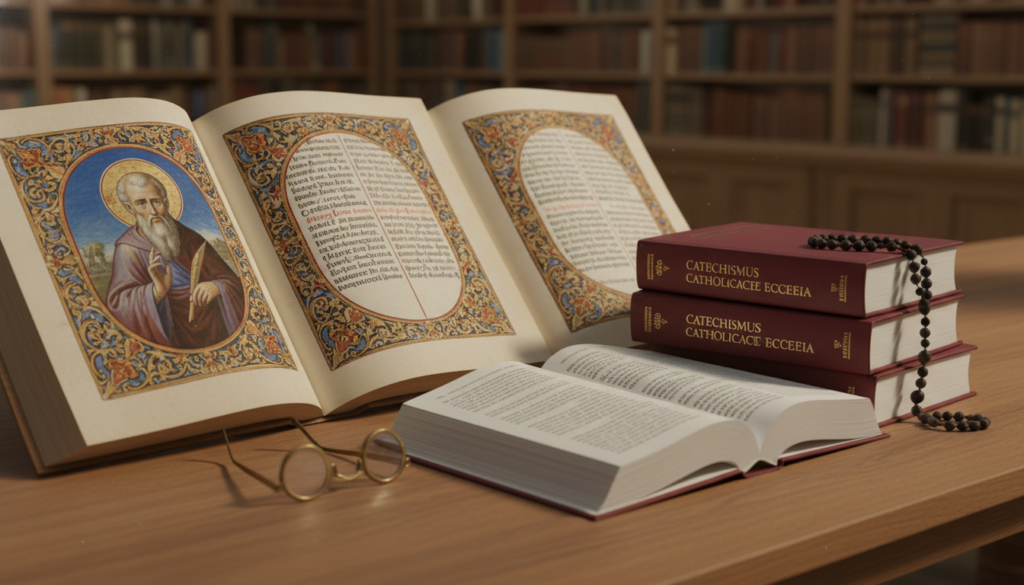
Medieval theologians systematized end times theology. Thomas Aquinas and others addressed questions about resurrection and judgment. Their work balanced biblical teaching with philosophical reasoning. The Catechism of the Catholic Church now presents official teaching. This document synthesizes scripture, tradition, and theological reflection into accessible format.
Catholic Teaching on the Last Things
The Church identifies four “last things” that every person will encounter: death, judgment, heaven, and hell. Understanding these realities helps believers prepare spiritually. Death marks transition from earthly life to eternal existence. Particular judgment occurs immediately after death. General judgment happens at the end of world history. Heaven represents eternal union with God. Hell means eternal separation from divine love. These teachings encourage holy living in the present time.
Practical Living During End Times
Catholic teaching emphasizes that end times began with Christ’s resurrection. Believers now live between His first and second coming. This “already but not yet” reality shapes Christian life. The kingdom has arrived but awaits full manifestation. Disciples participate in bringing God’s reign to earth. Everyday choices matter in light of eternity.
Cultivating Virtue and Faith
The end times call for strengthened faith and virtue. Love remains the greatest commandment and witness. Charity toward neighbors reflects God’s love for humanity. Hope sustains believers through trials and persecution. These theological virtues anchor Christian life amid uncertainty. Daily practice of virtue prepares souls for eternity.
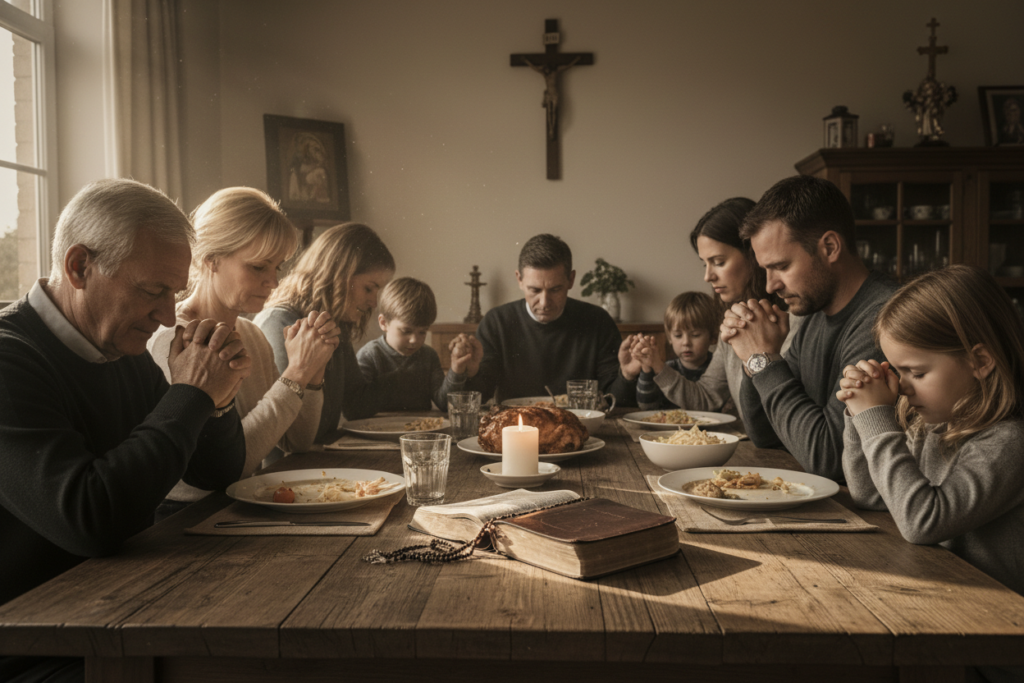
Prayer forms essential preparation for meeting God. The Church recommends daily conversation with the divine. Sacraments provide grace needed for the journey. Regular confession cleanses souls and renews commitment. Eucharist nourishes faith and unites believers with Christ. These spiritual disciplines build resilience for challenging times ahead.
Receive Weekly Spiritual Guidance
Stay grounded in authentic Catholic teaching with weekly reflections on living faithfully during uncertain times. Our newsletter provides scriptural insights, practical wisdom, and encouragement for your spiritual journey.
Stewardship of Creation
End times theology includes care for creation. God entrusted earth to human stewardship. This responsibility continues until Christ’s return. Environmental technology offers tools for faithful stewardship. Just as believers purify souls, they should protect the environment. Clean water systems and air purification reflect care for God’s gifts. Sustainable energy practices honor the Creator’s design.
Pope Francis connected ecology with eschatology in Laudato Si. Creation care demonstrates faith in action. Renewable energy development shows hope for the future. Solar power and wind turbines harness God-given resources responsibly. These technologies parallel spiritual preparation for the kingdom. Just as energy conservation reduces waste, spiritual discipline eliminates sin. Both prepare for transformation ahead.
Recognizing Signs While Avoiding Speculation
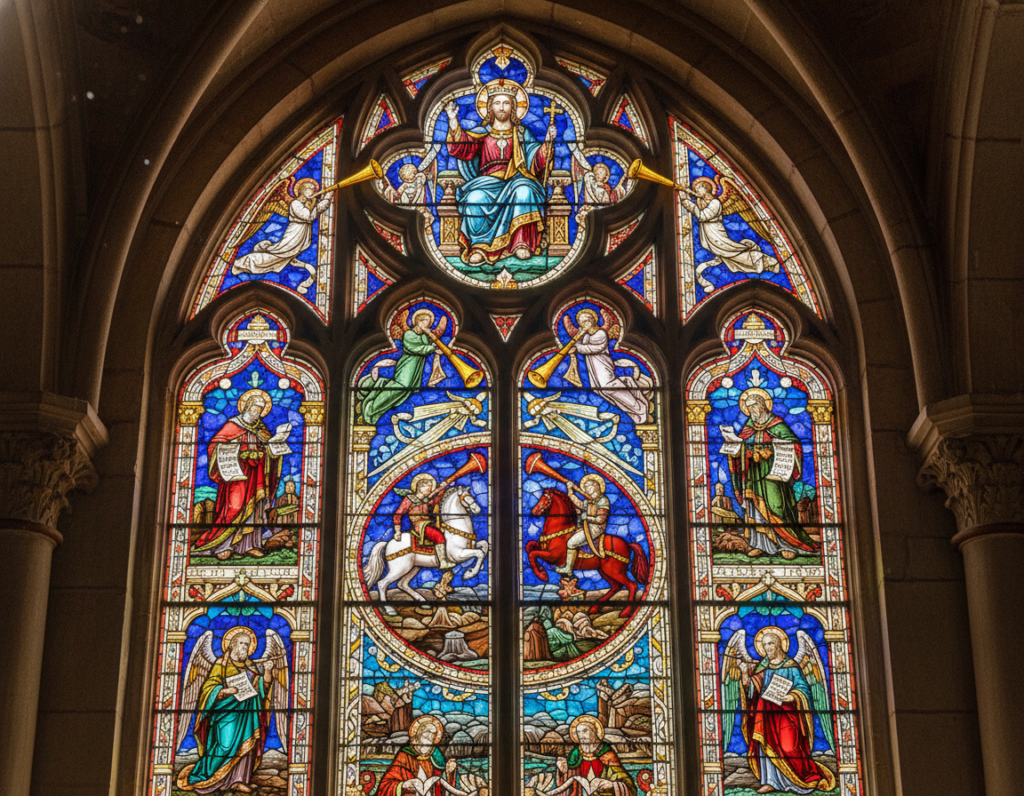
Jesus provided signs to help disciples recognize the times. Wars, earthquakes, and celestial events mark history’s progression. Yet He warned against setting dates for His return. The Father alone knows the day and hour. This mystery requires balancing awareness with humility. Believers watch without becoming obsessed or fearful.
False Prophets and Deception
False prophets pose significant danger in end times. They distort scripture to spread fear or gain followers. Jesus says many will come claiming special revelation. Authentic Catholic teaching provides protection against deception. The Church’s magisterium guards deposit of faith. Believers should test all teaching against scripture and tradition.
Sensationalism about the end world contradicts Gospel peace. Some people claim to know exact dates and details. These predictions consistently fail and damage faith. The Catholic approach emphasizes preparation over prediction. Living virtuously matters more than decoding timelines. Faith communities should focus on sanctification rather than speculation.
Warning Signs to Recognize
- Increasing persecution of Christians worldwide
- Moral decline and rejection of truth
- Natural disasters with greater frequency
- Global conflicts and international tensions
- Apostasy within faith communities
- Technology enabling both good and evil

Maintaining Balance and Hope
Catholic eschatology balances realism with hope. Yes, trials will come before the end. Yet victory has already been won through Christ’s death and resurrection. This confidence should characterize Christian witness. Fear has no place in authentic end times theology. Love casts out fear, as scripture promises. The Church moves forward with joy, not dread.
Today presents opportunities for evangelization and mercy. Each person encounters God at death, their personal end time. This reality makes present faithfulness urgent. The end of world could come tomorrow or centuries hence. Either way, disciples must remain ready through holy living. This practical focus prevents paralyzing anxiety about the future.
Enduring Persecution and Bearing Witness
Scripture promises persecution for faithful disciples. Jesus experienced rejection and death from religious leaders. His followers should expect similar treatment from the world. This prediction has proven accurate throughout Church history. Today, Christians face persecution in many nations. Brothers and sisters suffer for confessing faith in Christ. Their witness strengthens the universal Church.
The Grace of Martyrdom
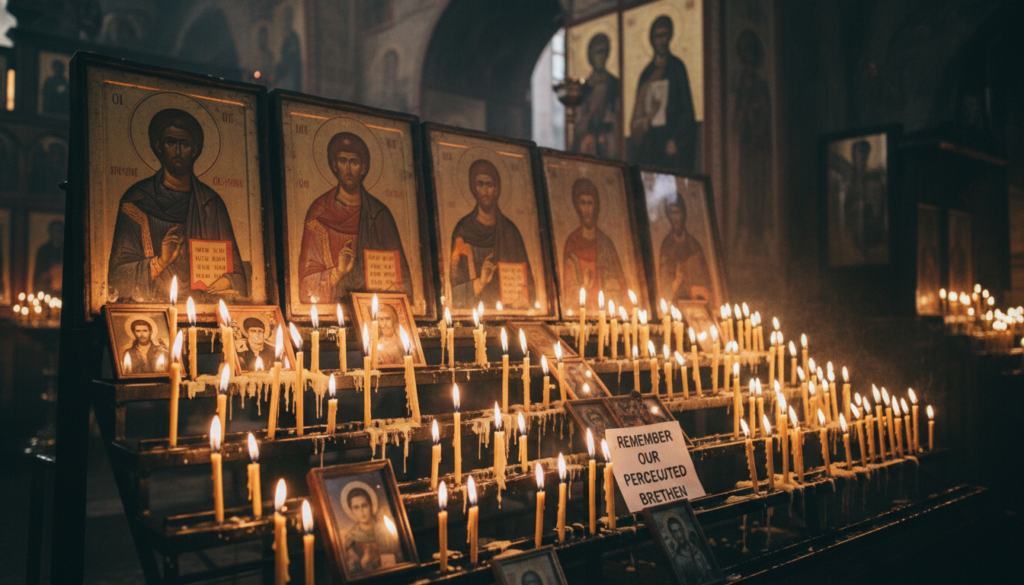
Martyrdom represents the supreme witness to faith. Throughout history, countless believers chose death over denial. Their sacrifice waters the seeds of faith in new generations. The blood of martyrs testifies to Christianity’s truth. Modern persecution continues this ancient pattern. Disciples in hostile regions risk life for following Jesus. Their courage inspires believers living in freedom.
God provides special grace for those facing persecution. The Holy Spirit strengthens believers in their darkest hours. Martyrs often report supernatural peace during suffering. Their testimony confounds persecutors and converts observers. This pattern fulfills Jesus’s promise about the Spirit speaking through disciples. Persecution ultimately serves God’s purposes despite Satan’s intentions.
Everyday Witness in Secular Culture
Not all persecution involves physical violence. Modern believers face cultural hostility and marginalization. Secular society increasingly opposes Christian moral teaching. Disciples experience social pressure to compromise convictions. This subtle persecution tests faith in different ways. Standing firm requires courage in everyday situations.
Fruits of Faithful Witness
- Strengthens personal faith and conviction
- Inspires other believers to courage
- Attracts seekers to authentic Christianity
- Glorifies God through obedience
- Builds treasures in heaven
- Advances the kingdom on earth
Costs of Standing Firm
- Social rejection and isolation
- Career limitations or job loss
- Family conflict and division
- Legal consequences in some contexts
- Financial hardship and poverty
- Physical danger in hostile regions
The Ultimate Hope: Resurrection and New Creation
Catholic end times teaching culminates in resurrection hope. Death does not have final victory over believers. Christ conquered death through His resurrection. This event guarantees resurrection for all who die in Him. The body and soul will reunite in glorified form. This promise transforms how disciples approach death and suffering.

The General Resurrection
At history’s end, all the dead will rise. This general resurrection precedes final judgment. Bodies will be transformed like Christ’s glorified body. The righteous receive immortal, incorruptible bodies suited for heaven. This transformation fulfills God’s original plan for humanity. Death entered through sin but exits through grace. The resurrection reverses the curse of the fall.
Saint Paul described resurrection bodies as seeds becoming plants. The earthly body is sown in weakness and dishonor. The resurrection body emerges in power and glory. This mystery exceeds human comprehension yet inspires profound hope. Believers can face death without despair. Their faith rests on Christ’s victory over the grave. This confidence enables peaceful acceptance of mortality.
Download Your Free Resource
Deepen your understanding of Catholic teaching on end times, resurrection, and eternal life. Our comprehensive guide addresses common questions with clear, Church-approved answers rooted in scripture and tradition.
PDF format • 45 pages • Includes study questions and prayer resources
New Heaven and New Earth
Revelation promises new heaven and new earth after the final judgment. God will make all things new in this transformed creation. Death, mourning, and pain will cease to exist. The New Jerusalem descends from heaven to earth. Heaven and earth unite in ways surpassing current understanding. This vision represents Christianity’s ultimate hope and final victory.
The new creation fulfills rather than negates the current one. Matter itself will be redeemed and glorified. This teaching honors the goodness of physical creation. God declared creation “very good” at the beginning. The end restores and perfects that original goodness. Environmental stewardship anticipates this transformation. Just as water purification removes contaminants, divine power purifies all creation. Renewable energy efficiency parallels spiritual renewal. Both point toward the kingdom’s full realization.
Preparing Hearts and Minds for Christ’s Return
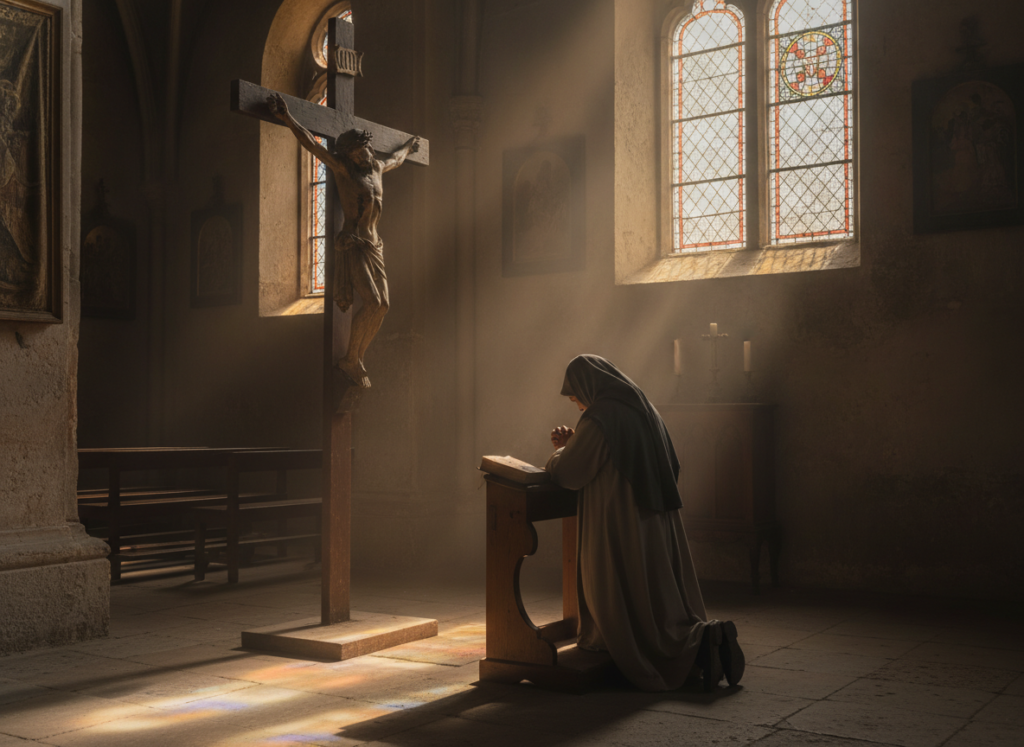
The end time Catholic homily calls believers to readiness. This preparation involves multiple dimensions of spiritual life. Prayer, sacraments, and virtue formation work together. Each element strengthens disciples for meeting the Lord. The time for preparation is now, while opportunity exists. Death or Christ’s return could come without warning for anyone.
Sacramental Life
The sacraments provide essential grace for spiritual preparation. Baptism initiates believers into Christ’s death and resurrection. Confirmation strengthens them for witness and mission. Eucharist nourishes souls with Christ’s body and blood. Reconciliation cleanses from sin and restores relationship with God. These divine encounters prepare disciples for heaven. Regular sacramental practice builds spiritual resilience.
Marriage and holy orders sanctify particular vocations. These sacraments orient entire lives toward service and love. Anointing of the sick prepares believers for death’s passage. Each sacrament points beyond itself toward eternal realities. The Church’s sacramental system channels grace into every life stage. This supernatural assistance enables faithful endurance until the end.
Works of Mercy
Jesus teaches that final judgment will assess works of mercy. Feeding the hungry, clothing the naked, and visiting prisoners matter eternally. These actions demonstrate authentic faith and love. Service to the least among us serves Christ Himself. This criterion for judgment should shape daily priorities. The end times thus begin in present acts of compassion.
Corporal Works of Mercy
- Feed the hungry with food and resources
- Give drink to the thirsty in need
- Clothe the naked and poorly dressed
- Shelter the homeless seeking refuge
- Visit the sick and suffering
- Visit prisoners and the incarcerated
- Bury the dead with dignity
Spiritual Works of Mercy
- Counsel the doubtful with wisdom
- Instruct the ignorant in faith
- Admonish sinners with charity
- Comfort the afflicted with hope
- Forgive offenses and injuries
- Bear wrongs patiently with grace
- Pray for living and dead
The Church’s Mission Until the End
Jesus commissioned disciples to evangelize all nations. This mission continues until His return. The Gospel must reach every people group and culture. Modern technology enables unprecedented missionary outreach. Communication systems spread the Good News globally. This technological capacity fulfills biblical prophecy about worldwide witness. The Church embraces these tools for evangelization.
Unity in Faith
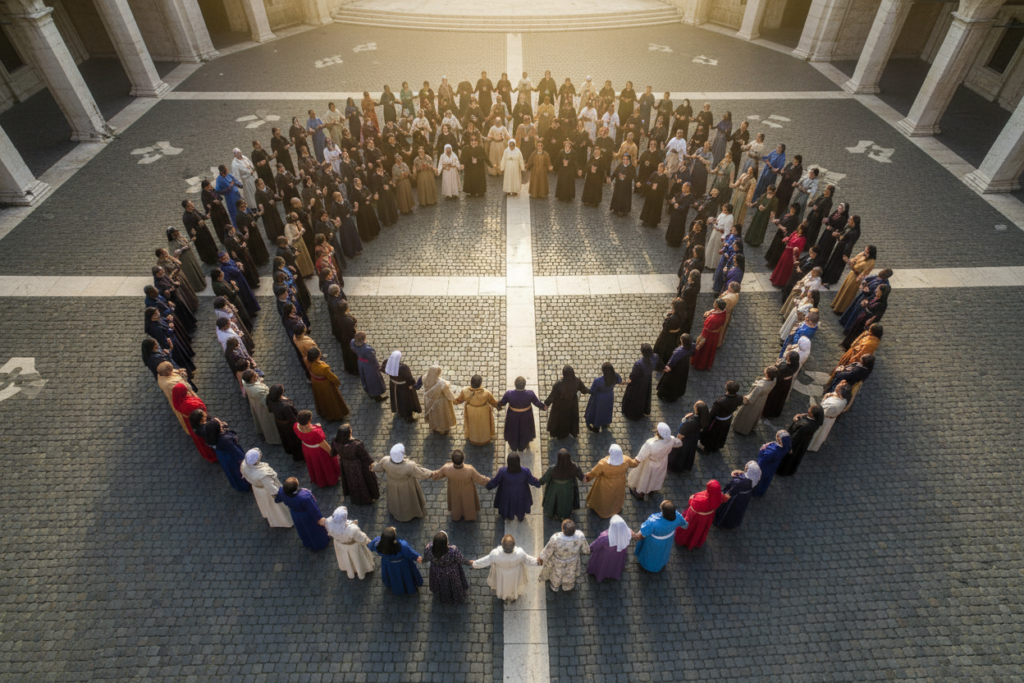
Church unity testifies to the Gospel’s truth. Jesus prayed that believers would be one. This unity transcends cultural and national boundaries. Catholic means universal, embracing all peoples and times. The Church’s catholicity demonstrates God’s love for entire creation. Divisions among Christians scandalize the world and hinder mission. End times urgency requires renewed commitment to unity.
Brothers and sisters should pursue reconciliation and cooperation. Ecumenical dialogue seeks common ground with other Christians. Interreligious conversation promotes peace and understanding. Yet unity never compromises truth or doctrine. The Church maintains apostolic teaching while building bridges. This balance enables authentic witness to secular culture. Love without truth becomes sentimentality. Truth without love becomes harshness. Together, they transform the world.
Evangelization and Discipleship
Every baptized person shares responsibility for evangelization. Laypeople bring Gospel into homes, workplaces, and communities. Clergy provide teaching, sacraments, and spiritual leadership. Religious witness through consecrated life and service. This collaborative mission advances the kingdom daily. End times context adds urgency to evangelistic work. Time may be shorter than people assume.

Scripture Study
Regular engagement with God’s word equips believers for witness. The Bible provides wisdom for answering questions and addressing doubts. Scripture memorization prepares disciples for spontaneous evangelization opportunities. Daily reading builds biblical literacy essential for effective mission work.

Prayer and Intercession
Mission effectiveness depends on prayer support. Intercessory prayer opens hearts to receive the Gospel. Contemplative prayer deepens personal relationship with God. Corporate prayer unites faith communities in shared purpose. The Holy Spirit guides missionary efforts through prayer.

Service and Witness
Actions speak louder than words in evangelization. Charitable service demonstrates Gospel values concretely. Lifestyle witness attracts seekers to investigate Christianity. Consistent moral living validates verbal proclamation. Love in action opens doors for conversation about faith.
Living Faithfully in the Present Moment
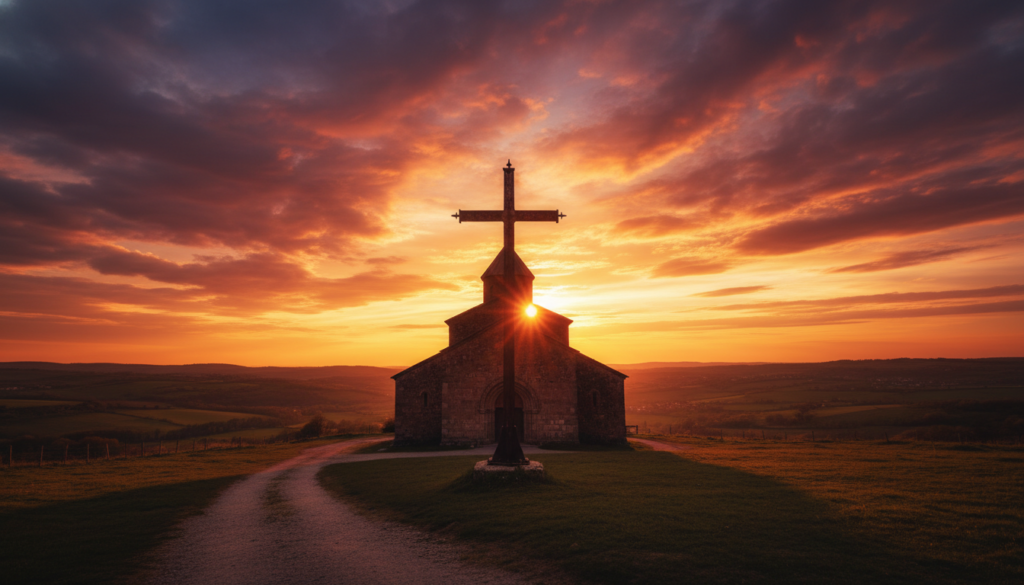
The end time Catholic homily ultimately calls believers to present faithfulness. Speculation about timelines distracts from daily discipleship. Each day offers opportunities for growing in holiness. The kingdom advances through small acts of love and obedience. Heaven invades earth when disciples live Gospel values. This present focus honors both scripture and tradition.
Brothers and sisters should embrace both urgency and peace. Time is short, yet God remains sovereign over history. Faith enables trust despite uncertainty about the future. Hope anchors souls amid cultural storms and persecution. Love motivates service regardless of opposition or difficulty. These virtues prepare believers for meeting Christ whenever He comes.
The end world will arrive according to divine plan. That timing remains hidden in God’s wisdom. What matters most is readiness through grace-filled living. The Church provides all necessary resources for this preparation. Sacraments, scripture, community, and tradition equip disciples completely. Victory is assured for those who persevere in faith. The resurrection power that raised Jesus will transform all creation. This hope sustains the Church until the end times reach fulfillment in glory.
Continue Your Faith Journey
Join our online community of Catholics exploring end times theology, sharing insights, and supporting one another in faith. Connect with brothers and sisters worldwide who are seeking to live faithfully during these times.
