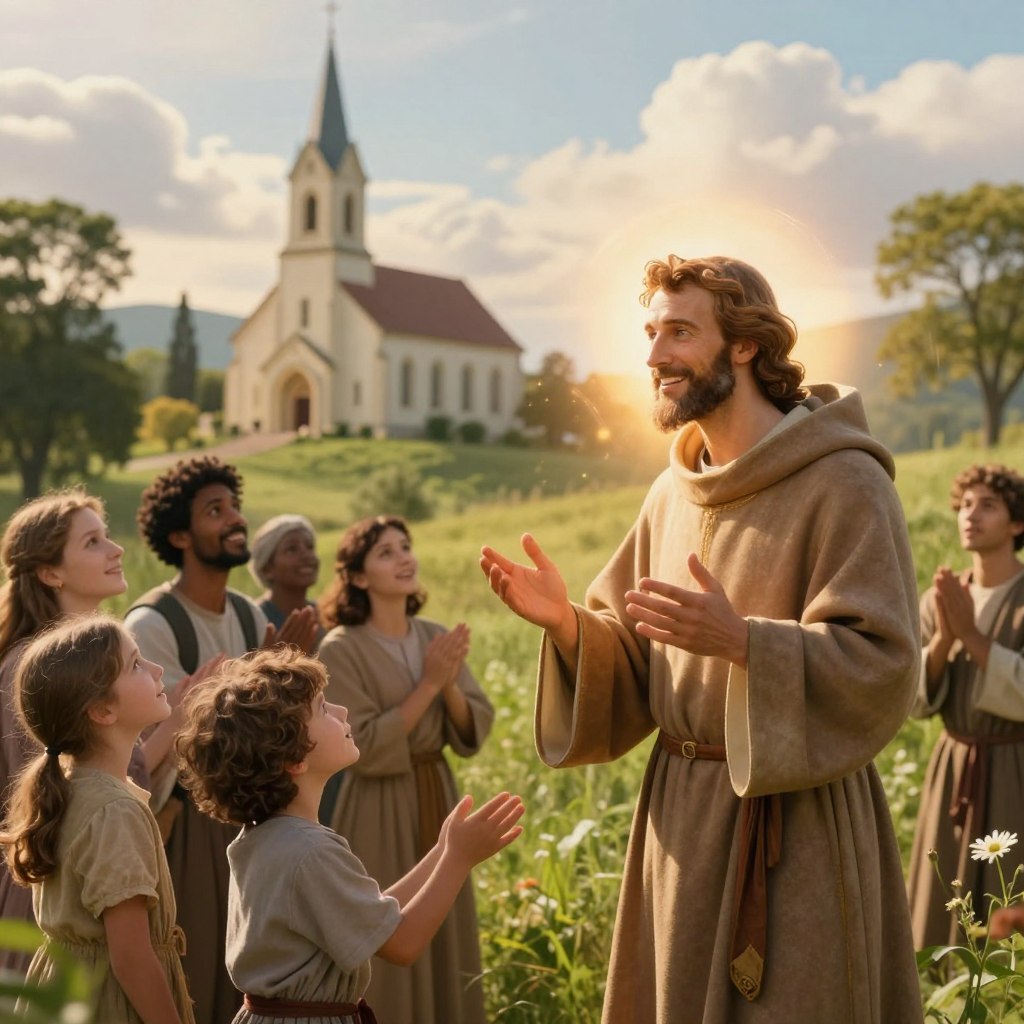
I write from a place of lived belief and curiosity. I invite you to explore how St. Anthony’s Miracles shaped my faith and changed my approach to prayer.
Each day I reflect on the life of st. anthony and how his care for lost souls and wounded bodies inspires many. His story has guided me through doubt and offered a quiet strength.
If you see a page blocked extension while reading, try disabling extensions to restore full access. A blocked extension or page blocked error can stop you from seeing the full account here.
I hope this page brings clarity and comfort. My aim is to share history, witness, and simple guidance so you can connect with the past and find personal meaning today.
Read: How St. Benedict medal protects from evil spirit today
St. Anthony’s Miracles
Key Takeaways
- I share a personal journey shaped by st. anthony and his lasting influence.
- Read daily reflections that tie history to modern faith practices.
- If a page blocked extension appears, try disabling extensions to continue.
- The content aims to offer spiritual clarity and practical steps.
- This page connects historical events with personal testimony for readers in the United States.
The Remarkable Life and Journey of Saint Anthony
My journey into his story began with a simple question: who was the man behind the legend?
I trace st. anthony back to Lisbon in 1195, born Ferdinand. At 15 he entered the Augustinian Abbey of St. Vincent and spent formative years studying scripture and growing his faith.
By 25 he was ordained a priest. In 1220, moved by the martyrdom of five missionaries, he joined the Franciscans. He later settled in the city of Padua, where his teaching and love reached many.
https://www.youtube.com/watch?v=_yaKJwgWp0M
From Portugal to Padua
- Born: 1195 in Lisbon; original name Ferdinand.
- Abbey: Joined Augustinians at 15; ordained at 25.
- Franciscan call: Joined Franciscans in 1220; served in anthony padua.
- If you see a page blocked extension, try disabling extensions to view the full page history.
| Event | Age / Year | Location |
|---|---|---|
| Birth | 1195 | Lisbon |
| Joined Abbey | 15 years | St. Vincent |
| Ordination | 25 years | Portugal |
| Joined Franciscans | 1220 | Padua (city) |
Exploring the Traditional Miracles of St. Anthony’s Miracles
On visits to Padua and nearby towns, I kept hearing the same remarkable accounts. These stories show how a single saint changed the faith of many people over the years.
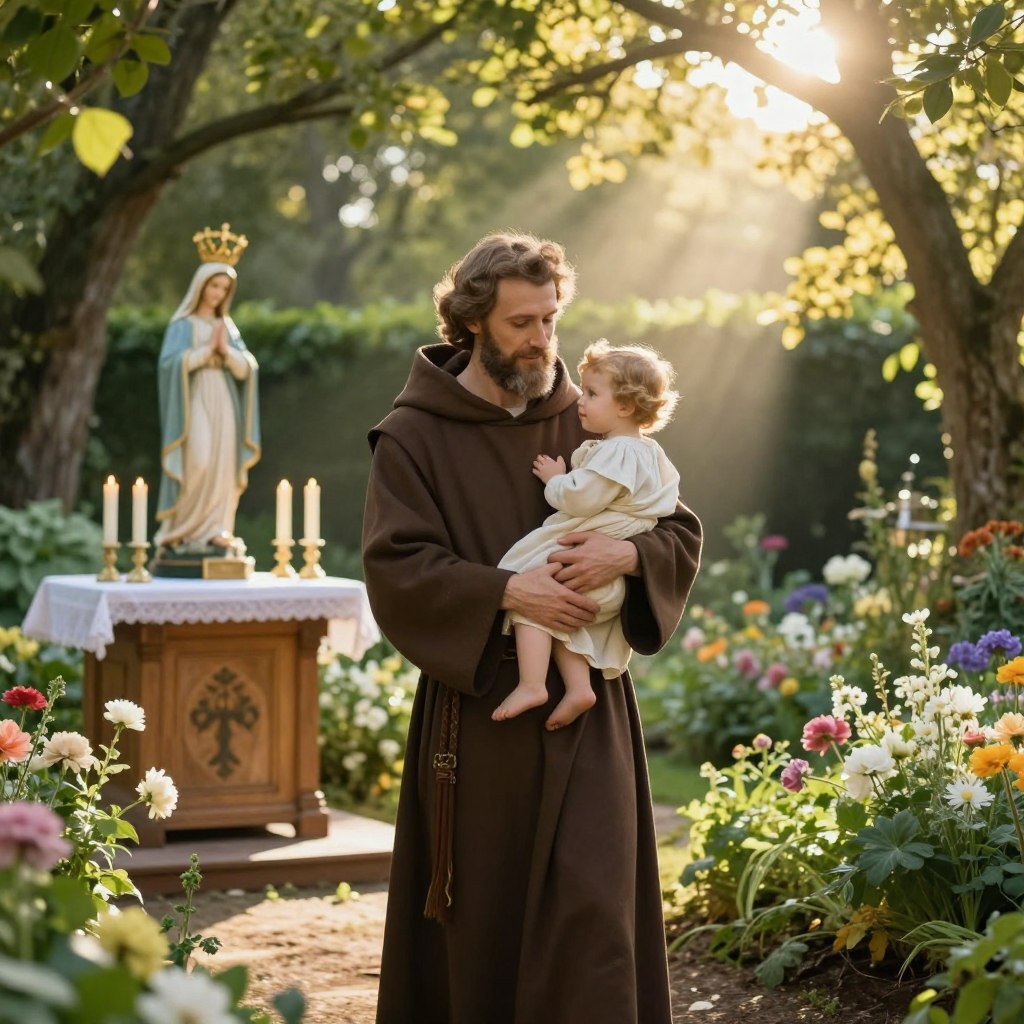
The Sermon to the Fish
In Rimini, when local heretics refused to listen, the crowd watched as fish rose to the surface and seemed to listen. This miracle helped bring many back to the church and strengthened the saint’s reputation as a powerful preacher.
Read: Candle Magic wealth Rituals to Boost Your Abundance
The Donkey and the Eucharist
A starving donkey chose to bow before the Blessed Sacrament instead of eating oats. The act proved the depth of belief among the faithful and convinced others of the real presence celebrated in the city.
Reattaching the Amputated Foot
A young man who had cut off his own foot in remorse received healing after my prayers and the saint’s intercession. The limb was restored, and the story spread, moving hearts and converting heretics in surrounding towns.
“His work over the years became a rallying force against heresy and doubt.”
- These miracles drew others and helped convert many heretics.
- If a page blocked extension appears, try disabling the blocked extension to read the full page.
- His preaching earned him the title “Hammer of Heretics” after years of travel.
| Miracle | Location | Impact |
|---|---|---|
| Sermon to the Fish | Rimini | Converted heretics; drew large crowds |
| Donkey and the Eucharist | Nearby town | Affirmed belief in the Eucharist; moved people |
| Reattached Foot | City region | Restored body and faith; inspired the faithful |
Why Miracles Still Matter in Our Modern Lives
Even today, modest signs of hope remind me that the sacred can touch ordinary life. I see how small acts of care revive faith in people who feel worn by loss or illness.
Read: Discover Holy Rosary Miracles and Their Powerful Impact
Pope Francis has said that miracles still happen when we pray with courage. That call matters because prayer opens a door to intercession and to results that surprise us over time.
The story of st. anthony invites us to notice love in both a busy city and a quiet home. These moments comfort others and steady the faithful.
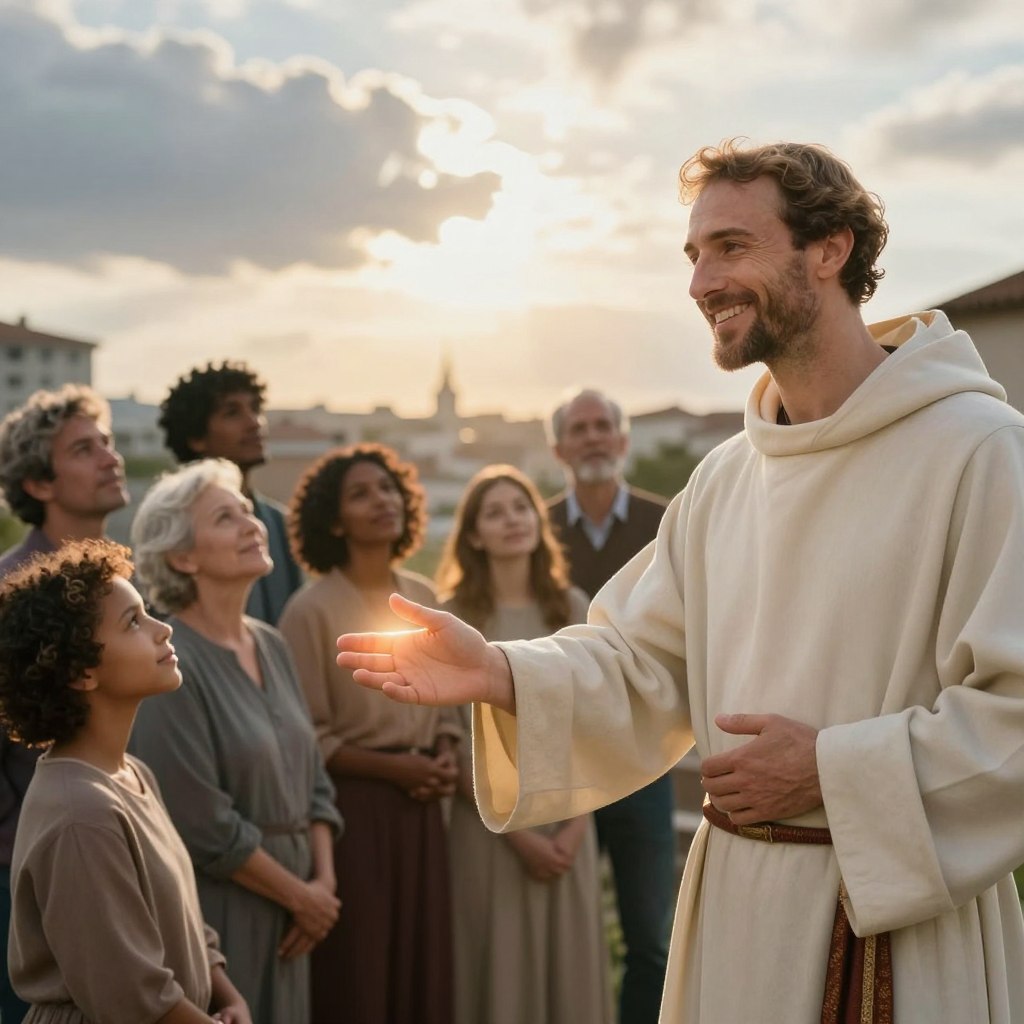
“Every miracle is a reminder of God’s presence and of the love that reaches into our daily lives.”
- Intercession offers hope in sickness and grief.
- Prayer can open hearts to grace like the saint experienced.
- The past’s extraordinary events still shape our lives and choices today.
| Context | Example | Effect on Lives |
|---|---|---|
| Home | Comfort after loss | Renewed trust and prayer |
| City | Public witness of faith | Hope for many people |
| Church | Intercession and healing | Strengthened faithful community |
Conclusion: Embracing the Legacy of Faith
Today I carry forward the memory of his life and what it means for my prayer and daily trust. He died on June 13, 1231, at age 36, yet the work of this saint keeps guiding many people toward deeper faith.
We honor him by seeking his intercession in times of need and by sharing love with others. The recorded miracles stand as testimony that sincere prayer opens doors to grace and a living faith.
I encourage you to keep his spirit alive in your heart each day. Let the example of this saint anthony inspire small acts of care that help you and those around you persevere.
Read: 20 Minutes Yoga to Boost Energy and Reduce Stress
FAQ
Who was Saint Anthony and why is he associated with miracles?
How can I ask for his intercession in my life?
Are the traditional stories like the sermon to the fish historically accurate?
What is the story of the donkey and the Eucharist, and what does it mean?
Can people today expect miraculous outcomes if they pray to him?
Where can I find reliable resources about his life and miracles?
Is devotion to this saint limited to Catholics in certain regions?
How do I share a testimony or report a favor received?
Are there specific prayers or novenas recommended?
How can I explain his relevance to someone skeptical about miracles?
 Discover the Power of St. Anthony’s Miracles Today
 How St. Benedict medal protects from evil spirit today
 Candle Magic wealth Rituals to Boost Your Abundance
 Discover Holy Rosary Miracles and Their Powerful Impact
 Holy Rosary protection Catholic Church Guide for Believers
 AI simple money earning methods for beginners made easy
 20 Minutes Yoga to Boost Energy and Reduce Stress
 Top Garden Ideas for a Beautiful and Easy Outdoor Makeover
 Effective AI Money Earning Methods You Can Try Today
 More Water, More Hydration: Tips for Staying Hydrated
