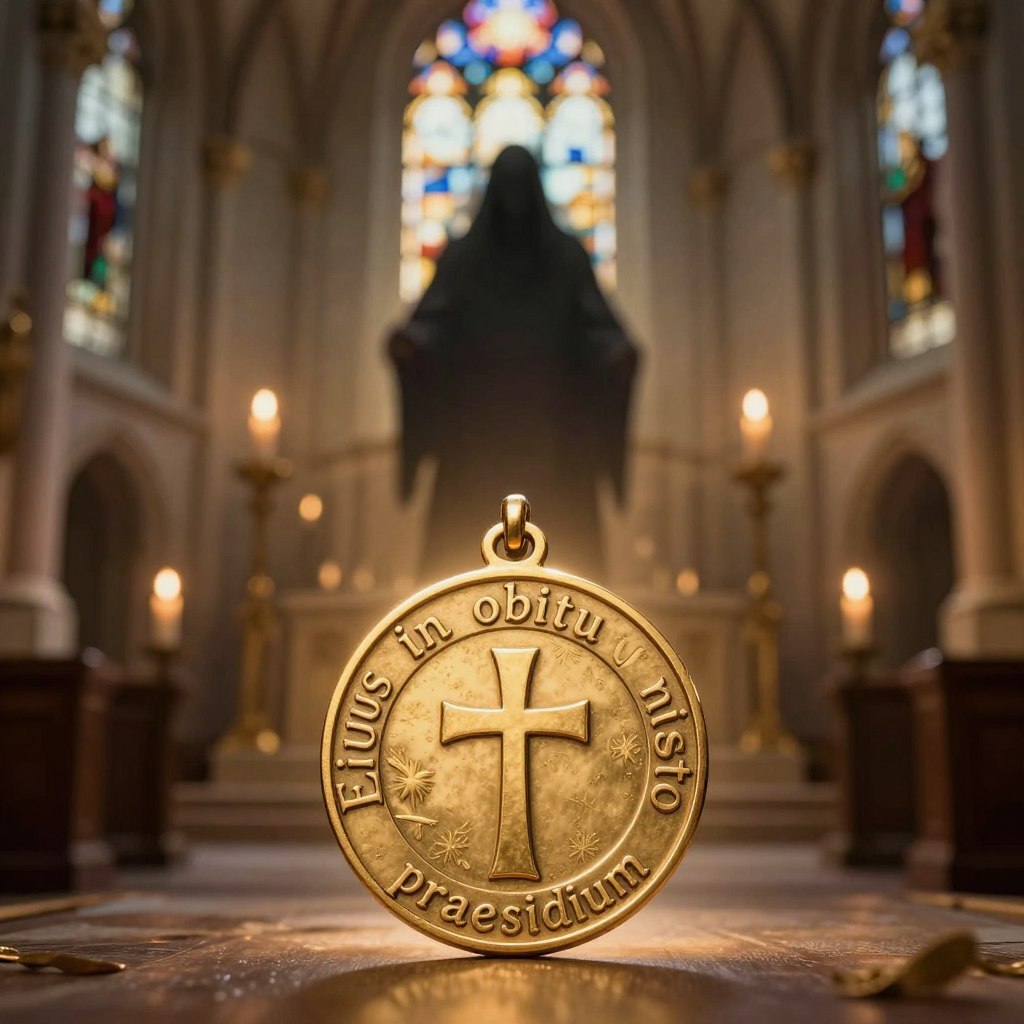
The St. Benedict medal remains a familiar sacramental for many believers in the United States. It is worn or carried as a visible sign of faith and a reminder of the holy cross.
On July 11 the Catholic Church honors the life of Saint Benedict, a man known for steady resistance to dark forces. Today, the medal linked to his name serves as a prompt to seek prayerful help and the saint’s intercession.
Many say the small object offers practical spiritual protection in daily life. It helps people focus on prayer, avoid temptation, and feel less alone when facing moral or spiritual challenges.
Read: Candle Magic wealth Rituals to Boost Your Abundance
Key Takeaways
- The medal is a sacramental and a sign of faith for many Catholics.
- July 11 marks the feast honoring Saint Benedict’s life of spiritual struggle.
- Wearing the object reminds believers to pray and seek intercession.
- The cross image on the medal focuses attention on Christian protection.
- For many, the item offers comfort and a sense of spiritual defense.
Understanding the Spiritual Significance of the St. Benedict Medal
The Rule written by the sixth-century monk shaped a way of life that still guides many Christians today.
The life of saint benedict set a model for humility, obedience, and communal work. His teachings formed the backbone of Western monasticism and influenced how believers organize prayer and daily routine.
Devotion centers on the small object as a compact catechesis. The words inscribed are more than decoration; they serve as a brief prayer for guidance and strength in hard moments.
As a recognized holy father, he left a legacy that invites people to trust in steady practice and faithful discipline. Carrying the benedict medal signals a quiet commitment to that path.
| Aspect | Meaning | Practical Use |
|---|---|---|
| Rule and Life | Model of humility and obedience | Daily routines and communal prayer |
| Inscribed Words | Short prayer and reminder | Focus at moments of need |
| Holy Father Legacy | Guidance for spiritual practice | Worn as sign of devotion and faith |
How the St. Benedict Medal Protects From Evil Spirit
Worn close to the heart, the tiny emblem serves as a steady reminder to seek God’s light.
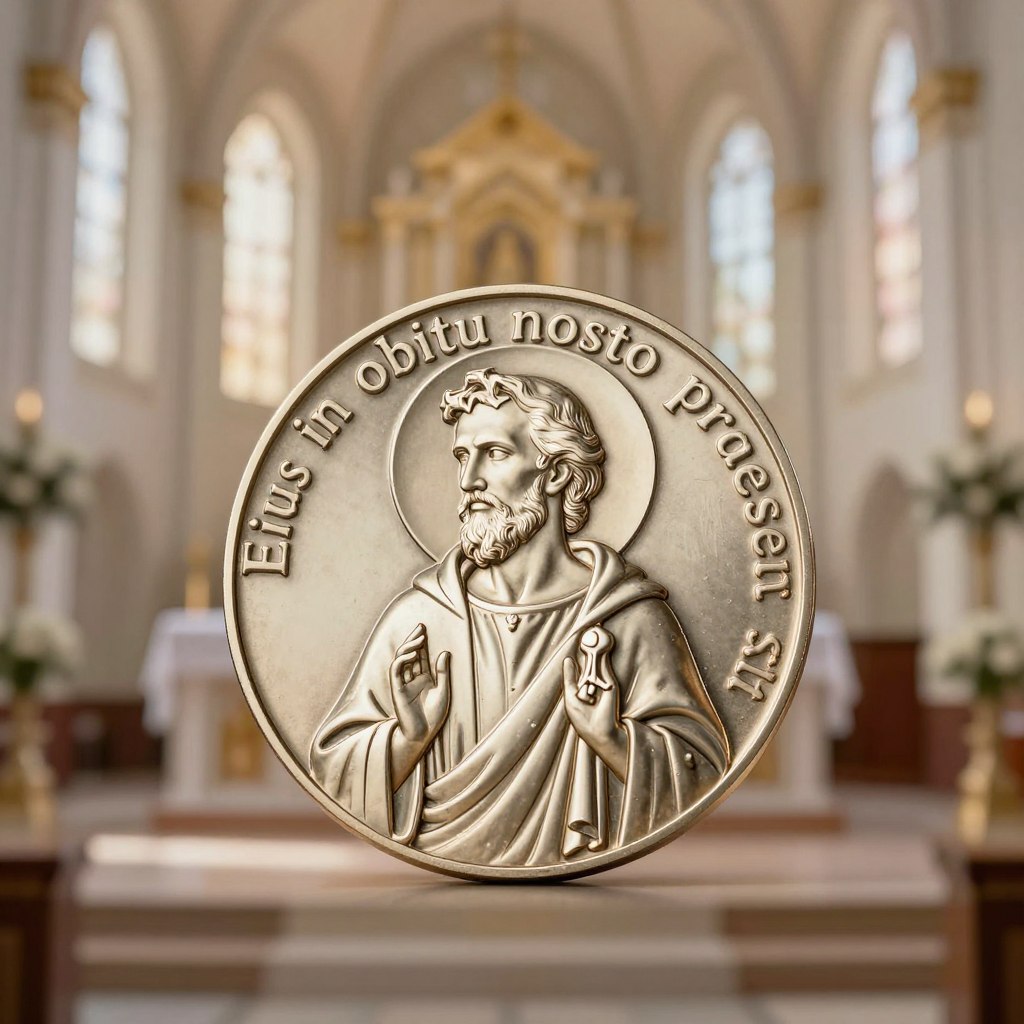
The role of faith and sacramentals centers on trust, not superstition. Users lean on faith and the saving power of Jesus Christ when they wear the benedict medal.
The Role of Faith and Sacramentals
The symbol points believers toward prayer and disciplined life. A priest may bless these medals so they enter daily devotion with official prayer and intent.
Father Robert Nixon documents how saint benedict used spiritual authority to shield monks. This history gives context to modern use and the medal’s reputation as a “devil chaser.”
Read: Discover Holy Rosary Miracles and Their Powerful Impact
Combating Spiritual Warfare
When facing attacks, people often turn to the object as a source of help. They trust God will guard both soul and body against temptation.
- The medal recalls the cross and the Blood of Jesus Christ as true defense.
- It encourages a daily stance of prayer and vigilance against temptations.
- Many also place medals in homes to extend protection across heaven and earth.
| Context | What It Signals | Practical Effect |
|---|---|---|
| Personal wear | Reminder of faith and prayer | Helps resist temptations and center the mind |
| Blessed by a priest | Used as a sacramental | Invokes intercession and adds ritual meaning |
| Placed at home | Household shield | Offers comfort and a sense of guarded life |
Decoding the Symbols and Latin Inscriptions
Decoding the tiny inscriptions reveals how simple letters became a powerful spiritual formula.
The Front of the Medal
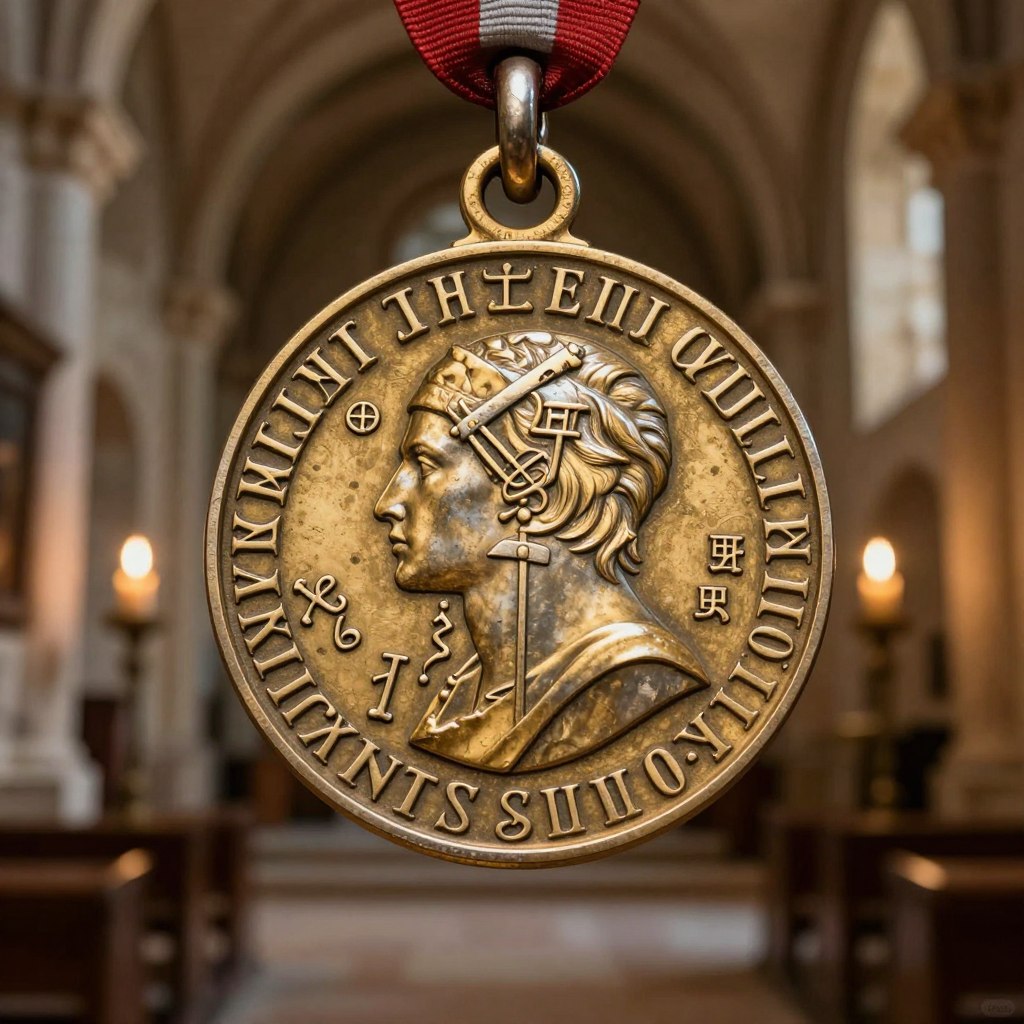
The front shows the figure holding a cross and the Holy Rule. This image signals guidance and steady faith for daily life.
It presents the wearer with a visible reminder to choose prayer and the holy cross light in moments of trial.
The Reverse Side and Exorcism Formula
On the reverse side, letters form a compact exorcism formula. In 1647, the Benedictine Abbey of Metten noted these letters helped prevent diabolic attacks.
The famous Latin phrase Vade retro Satana literally means “Begone, Satan.” It functions as a direct command to the dragon and a short, strong prayer.
Meaning of the Cross Initials
The initials around the cross—C S S M L – N D S M D—stand for the plea that the holy cross be one’s light. These letters invoke the intercession of the holy father benedict at the hour of death.
- The front depicts holding cross and the Rule as pastoral guidance.
- The reverse side letters form the prayer “May the holy cross be my light.”
- “Vade retro” serves as a terse exorcism against the dragon and vain things.
Historical Origins and Papal Approval
Historic records show how a simple token earned papal endorsement and wider devotional use. The story links back to a monk whose rule shaped communal life across Europe and inspired early versions of the object.
In 1741 Pope benedict xiv gave formal approval and indulgences, which cemented the item’s place in Catholic practice. The modern version most people recognize was first struck in 1880 and has since guided popular devotion.

A local priest can offer a formal blessing, adding ritual meaning and a sense of protection during the day. Wearing or placing the medal serves as a quiet call to prayer and the reminder of the cross.
| Era | Event | Practical Note |
|---|---|---|
| Early centuries | Monastic origins tied to saint benedict | Inspired daily discipline and prayer |
| 1741 | Papal approval by benedict xiv | Granted indulgences and official recognition |
| 1880 | Modern design issued | Standard version used in popular devotion |
Practical Ways to Use the Medal for Spiritual Defense
A clear routine helps turn a small token into a steady sign of devotion and defense. Regular use combines prayer, proper blessing, and simple placement so the object serves as a practical aid in daily life.
Blessing and Proper Devotion
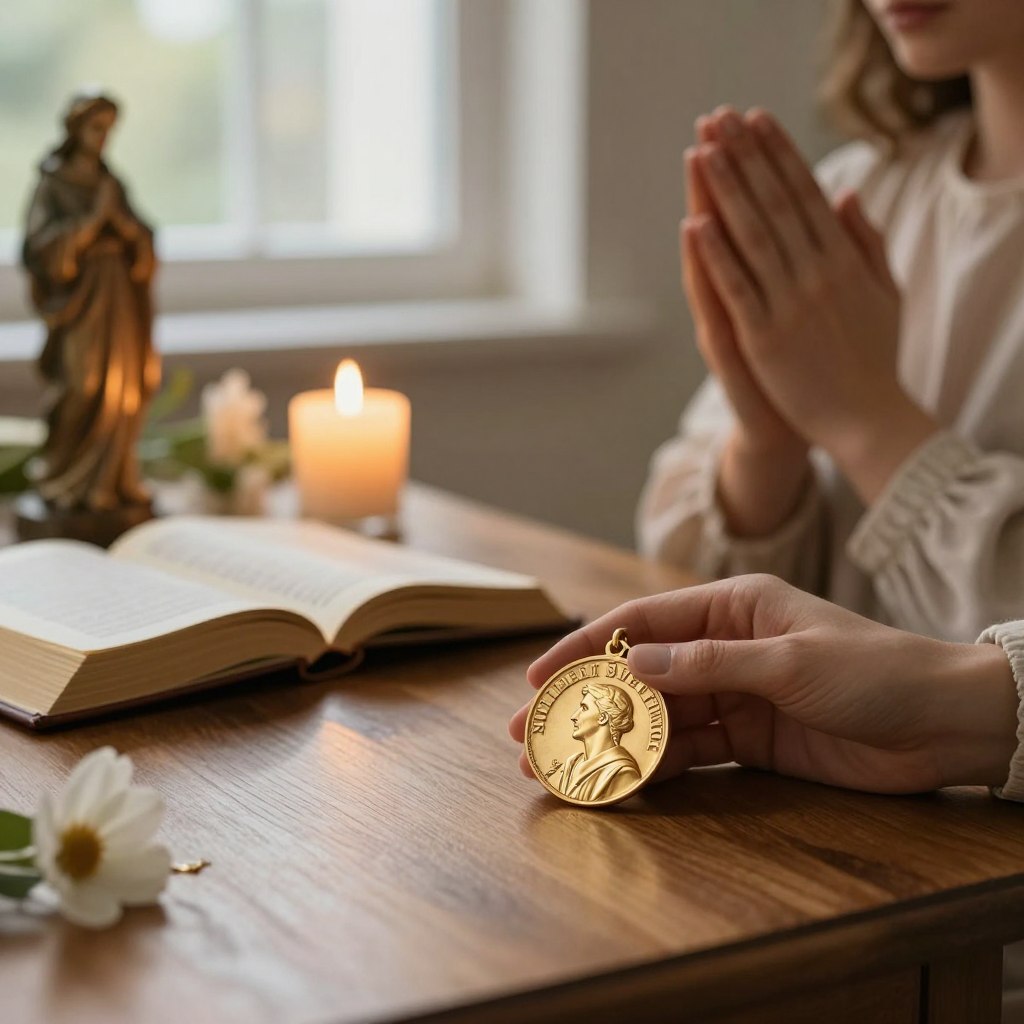
Blessing by a priest gives formal intent. Many ask a pastor to bless a piece so it is set apart for sacred use.
Some follow a short exorcism prayer with the words “Vade retro Satana” when facing temptations. This phrase and the letters on the reverse side function as a compact plea for the holy cross light in moments of trial.
- Wear it around the neck or keep it near a bedside to remind one to pray each day.
- Affix one at doors or windows to symbolize household protection and a lived devotion.
- Seek authentic medals from communities like Clear Creek Abbey; monks there can bless pieces on request.
| Action | Purpose | Effect |
|---|---|---|
| Priest blessing | Set apart for prayer | Adds ritual meaning and intent |
| Recite exorcism words | Invoke the power of holy father benedict | Strengthens resolve against temptations |
| Place in home | Daily reminder of the holy cross | Offers peace for soul body and life |
“In 1665 a young man in Luxeuil was freed after drinking water blessed by the item.”
The story shows how blessing and faith pair to bring help in hard hours. Whether facing small trials or greater attacks, simple devotion and the holding cross image point believers toward prayer and light.
Conclusion
Across homes and pockets, this simple object still helps people focus on prayer and faith. It serves as a calm prompt to choose what matters in a busy day.
The link to saint benedict reminds believers that disciplined prayer and quiet routines shape the inner life. That connection offers steady comfort for the soul.
Worn or placed in a room, these medals and the single medal worn by many point users to regular devotion. They act as a practical sign of God’s help and a call to remain faithful in small, daily acts.

💬 Share Your Reflection