
Introduction: This brief guide will lead readers through readings that shape upcoming observance. It will preview Isaiah 60, Psalm 72, Ephesians 3, and Matthew 2 and show how they will join into one clear message about light and glory.
Context: Isaiah will promise radiance that draws nations and kings. Psalm text will pray for justice and welcome. Ephesians will reveal Gentile inclusion within one body through gospel promise. Matthew will place Magi at a child’s crib, offering gifts that speak of kingship, divinity, and sacrifice.
Scope: The article will move from overview to close readings, then to concrete applications for parish life in United States settings. Readers will gain precise references, faithful summaries, and practical insights to prepare for feast days and communal ministry.
Key Takeaways
- Isaiah 60 will foreground coming light that draws nations to radiance.
- Psalm 72 will frame the feast as a royal prayer for justice and peace.
- Ephesians 3 will anchor inclusion: Gentiles as coheirs by gospel promise.
- Matthew 2 will highlight Magi homage and gifts with deep meaning.
- Article structure will guide from text to pastoral application for US communities.
The Epiphany of the Lord, Cycle A: Feast Overview and Search Intent
Readers today seek quick, reliable summaries that show how four readings form one coherent claim. This overview gives a short map so pastors, teachers, and curious people can find main themes fast.
What readers seek today: clear summaries, themes, and fit
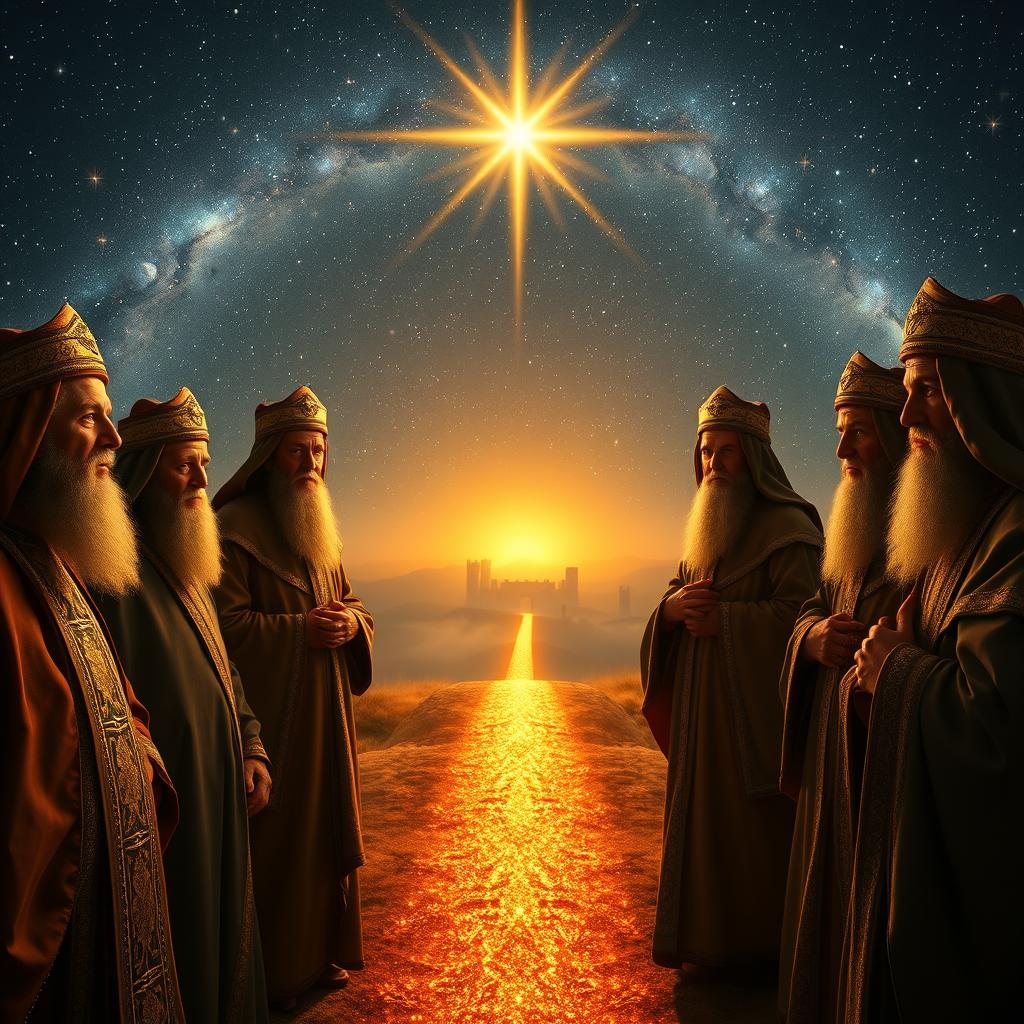
Isaiah 60 promises radiance that draws nations with gifts and homage. Psalm 72 prays for just kingship and care for the poor. Ephesians 3 names a mystery now revealed to apostles: Gentiles share equally in promise. Matthew 2 shows Magi guided by a star who honor a child as king.
Light for nations: why this feast reveals Christ to all peoples
Across texts, a single thread appears: light breaking into darkness to reach the world. That revelation is made known through prophetic word, royal prayer, apostolic teaching, and Gospel narrative.
- Core claim: inclusion of all peoples into one covenant family.
- Motifs: light overcoming darkness, kingship grounded in justice, homage from afar.
- Practical aim: prepare worship, preaching, and catechesis who will witness grace in daily lives.
This brief orientation sets expectation for close readings that follow, so congregations can live the feast day as an encounter that shapes lives for time to come.
Biblical Readings for the Feast: Isaiah 60, Psalm 72, Ephesians 3, and Matthew 2
Reading I — Isaiah 60:1-6: Isaiah summons Jerusalem to rise because a dawning radiance breaks into a world wrapped in darkness. That radiance promises that nations and kings will walk by its light, and caravans will bring tribute and praise.

Responsorial Psalm — Psalm 72: The royal prayer asks that a king rule with justice, defend the poor, and attract praise from distant rulers. Images of Tarshish and Sheba echo Isaiah’s horizon where peoples bring honor and gifts.
Reading II — Ephesians 3:2-3a, 5-6: Paul states that a long-hidden mystery is now made known by revelation: Gentiles are coheirs and members of one body in Christ Jesus through the gospel.
Gospel — Matthew 2:1-12: Wise men follow a star to a house in Bethlehem, present gold, frankincense, and myrrh, and return by another route after an alarming dream. Their homage ties prophecy, promise, and praise into a single account.
- From darkness to glory: these readings together show light drawing the peoples of earth to honor the king and accept the promise in Christ Jesus.
Living the Epiphany Today: Wisdom, witness, and walking by the star
Faithful witness today asks believers to read signs, change course when needed, and serve others. This summons turns reading into action that shapes parish life and public witness.
Grace and revelation: letting the mystery be “made known” through faith and life
Grace entrusted in Scripture calls congregations to welcome newcomers as coheirs and members of one body. Ephesians frames that promise: Gentiles join the same family through the promise christ jesus.
Witness like the Magi: crossing distances, reading the signs, choosing another way
Like the wise men who followed a star to a house, communities travel cultural distances, read signs, and choose another way when faithful action is needed.
Power in service of love: from Herod’s fear to Christ’s liberating wisdom
Herod shows how power without love harms people. By contrast, Christ redirects power toward service, justice, and restoring dignity across nations and world.
- Accept change when a dream warns or invites.
- Offer resources that sustain worship and serve others.
- Use influence to free people from fear and darkness.
| Scripture | Practical action | Outcome |
|---|---|---|
| Isaiah 60 | Public justice initiatives | More nations notice church witness |
| Psalm 72 | Advocacy for poor | Restored dignity for others |
| Ephesians 3 | Welcoming programs | Visible belonging for members |
| Matthew 2 | Radical hospitality | Lives changed by encounter |
Conclusion
Isaiah’s vision and Gospel story together call communities to shine in a world that longs for light.
Reading I (Isaiah 60:1-6), Psalm 72, Ephesians 3, and Matthew 2 form a single claim: radiant light breaks into darkness. Nations come near, kings offer gifts, and strangers become kin by grace.
Practically, this means using power to defend poor people, shaping parish life around welcome, and letting faith guide daily choices. Worship and works should make jesus christ visible so others meet hope in word, prayer, and service.
Send congregations into days ahead with courage. Seek the light, enter where Christ dwells, render homage, and choose another way when God shows it. In time, such witness will change world.


