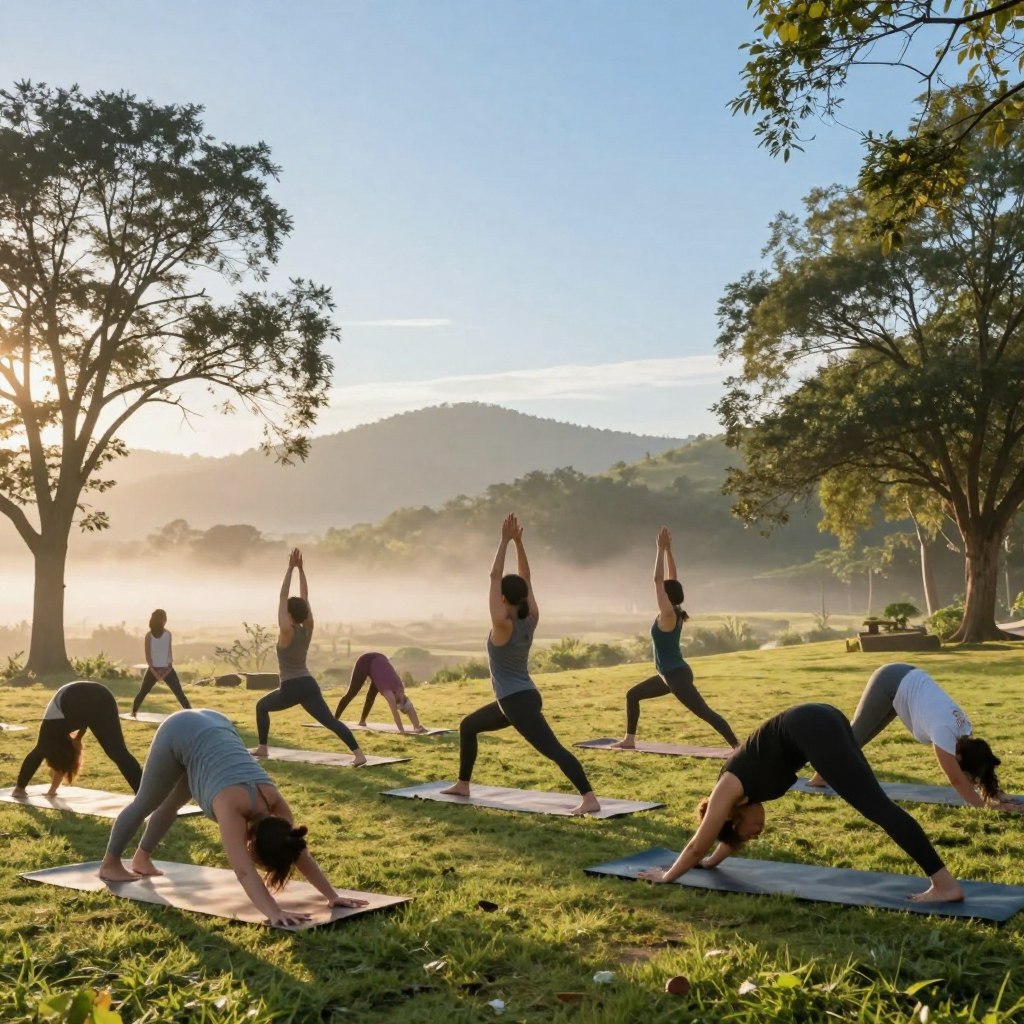
Do you often feel drained before your workday even starts? Many of us turn to endless cups of coffee to stay awake. But this habit often leads to a crash later in the day. I’ve found a simple, natural way to boost your energy levels.
Just 20 Minutes Yoga a day can change how you feel. It’s a powerful tool to reduce stress without artificial stimulants. By moving your body with purpose, you bring clarity and calm to your busy life.

Choosing this path means you’re committed to a healthy lifestyle that values long-term health. I believe small, consistent changes have the biggest impact on your well-being. This guide will help you add these effective sessions to your life. You’ll feel refreshed and focused every day.
Key Takeaways
- Natural movement provides a sustainable way to increase your daily stamina.
- Short sessions help lower cortisol levels and promote mental relaxation.
- You can replace caffeine dependency with mindful physical activity.
- Consistency in your routine fosters a stronger connection between mind and body.
- Adopting these habits supports a balanced and sustainable approach to wellness.
The Science Behind Short Yoga Sessions
Can twenty minutes on the mat really change your body and mind? Many think a workout must last an hour to be good. But science suggests otherwise. Short, focused yoga sessions trigger powerful responses that benefit your whole body.
Doing a concentrated yoga flow makes your body release endorphins. These natural chemicals boost your mood and energy right away. At the same time, they lower your cortisol levels, the main stress hormone.
Just twenty minutes of practice gives your nervous system a much-needed reset. This time is perfect for busy people because it’s long enough to make lasting changes without taking too much time. You don’t need hours to see the big benefits of regular practice.
The table below shows how short sessions compare to longer workouts in terms of efficiency and impact:
| Feature | 20-Minute Session | 60-Minute Session |
|---|---|---|
| Cortisol Reduction | High (Immediate) | High (Gradual) |
| Endorphin Release | Rapid Spike | Sustained Flow |
| Time Commitment | Highly Sustainable | Requires Planning |
| Mental Clarity | Quick Reset | Deep Immersion |
Knowing how these mechanisms work gives you confidence in your practice. You’re not just moving; you’re managing your internal chemistry. This understanding makes it easier to put your health first, even when you’re very busy.
My Criteria for Selecting Effective 20 Minutes Yoga Routines
When creating 20 minutes yoga sessions, I focus on three main things: safety, ease of access, and efficiency. I want you to feel refreshed, not tired or hurt. Each routine is made to make the most of your time on the mat.

I check each movement against strict standards. This ensures every pose has a purpose. By focusing on intentional movement, your 20 minutes yoga practice will be balanced and restorative.
When picking routines, I look for key qualities:
- Safety First: Every sequence includes proper warm-ups and cool-downs to protect your joints.
- Accessibility: I choose poses that can be modified for various fitness levels and flexibility ranges.
- Balanced Energy: Each flow targets both strength and flexibility to provide a holistic experience.
- Time Efficiency: The structure ensures that you transition smoothly between poses without wasting a single second.
My aim is to give you a reliable guide for daily wellness. These 20 minutes yoga routines fit into any busy schedule. You can trust these sequences to support your long-term health and mental clarity.
Morning Vinyasa Flow for Instant Vitality
A twenty-minute Vinyasa flow is great for starting your day. It helps clear mental fog and gets your muscles ready for the day. Moving right after waking up is key.

Overview of the Energizing Flow
This practice links your breath with your movement. It keeps you calm yet alert. Make sure to breathe deeply to keep your focus.
Key Poses to Wake Up Your Body
Specific yoga poses are used to wake you up. They stretch your spine and open your chest. This makes you feel limber and ready for the day.
Sun Salutations and Their Benefits
Sun Salutations are the base of this morning routine. They warm up your whole body and connect your breath with movement. Consistency is key to start your day positively.
Restorative Evening Sequences for Stress Relief
A restorative yoga sequence is perfect for fighting off today’s stress. After a long day, my body feels like a coiled spring ready to unwind. By slowing down, I can reduce stress and get ready for a good night’s sleep.

Why Restorative Yoga Calms the Nervous System
Restorative yoga changes your body’s state from “fight or flight” to a calm state. This change is key for healing and relaxation. Holding these poses tells my brain it’s time to release the day’s stress.
“Restorative yoga is not about stretching the muscles, but about soothing the nervous system and quieting the mind.”
This practice uses long holds and support to help the body relax. By not trying too hard, my heart rate slows down naturally. This simple yoga sequence brings me peace that lasts into the night.
Essential Props for Your Practice
To make these stretches easier, I use a few key props. The right tools help me relax without hurting my joints or muscles. Here are the must-haves for your home practice:
- Yoga Bolster: Perfect for supporting the spine during reclined poses.
- Yoga Blocks: Great for bringing the floor closer to your hands or supporting your head.
- Soft Blankets: Essential for warmth and extra cushioning under the knees or hips.
- Eye Pillow: Helps to block out light and deepen focus.
Using these tools helps me reduce stress by removing discomfort. When supported right, I can hold poses for minutes, leading to true restoration. Getting these basics will turn your evening into a calm haven.
Power Yoga Bursts for Midday Productivity
When the afternoon slump hits, a quick burst of movement is the best way to reset. Power Yoga is a unique way to mix intense physical exercise with mindful presence. It turns a short break into a powerful tool for productivity.

Building Heat in Twenty Minutes
The secret to a successful midday session is continuous, fluid movement. This keeps your body moving and boosts your circulation. It’s perfect for those with limited time but want to boost their physical strength.
To get the most out of your twenty minutes, consider these essential elements:
- Maintain a steady, rhythmic breath to fuel your movements.
- Transition quickly between poses to keep your heart rate elevated.
- Focus on large muscle groups to maximize calorie burn and energy output.
“Movement is a medicine for creating change in a person’s physical, emotional, and mental states.”
Focusing on Core Strength and Mental Clarity
This practice is also a powerful tool for sharpening your focus. Engaging your core strength through challenging poses helps clear your mind. This focus on balance and stability boosts mental clarity long after you step off the mat.
I often notice my problem-solving skills improve after a short, intense session. The mix of physical exertion and mindfulness acts as a mental reset button. Just twenty minutes of this practice gives your brain the oxygen and space it needs to tackle tasks with renewed vigor.
Gentle Hatha Yoga for Beginners
I often suggest Hatha Yoga for newbies because it’s slow and easy. This style focuses on holding poses to build a strong base. It’s perfect for yoga for beginners. By moving slowly, you let your body get used to new feelings without feeling too much.

Pacing Your Breath for Maximum Relaxation
The key to a great session is managing your breathing. I tell you to match every move with a deep, rhythmic breath. This conscious breathing keeps your mind focused and your nerves calm.
When you focus on your breath, you let go of muscle tension. This helps you stay relaxed, even in tough poses. Remember, it’s not about being perfect. It’s about finding ease in every pose.
Modifications for Limited Flexibility
Many think they’re not flexible enough for yoga, but don’t let that stop you. I often use props like blocks or straps to make poses easier. These tools help you stay aligned while respecting your current flexibility.
Changing a pose doesn’t mean you’re doing less. It means you’re practicing safely. With regular practice, you’ll naturally get more flexible and comfortable. Here’s a simple guide to help you see how common poses benefit your body.
| Pose Name | Primary Benefit | Modification Tip |
|---|---|---|
| Mountain Pose | Improves posture | Stand against a wall |
| Forward Fold | Increases flexibility | Bend your knees deeply |
| Child’s Pose | Deep relaxation | Use a block for head |
| Cat-Cow Stretch | Spinal mobility | Move at a slower pace |
Yoga for Desk Workers to Release Tension
Long hours at a computer can lead to shoulder and hip tension. I often feel stiff after typing for hours, affecting my daily routine. A few minutes of movement can help ease this strain.

Targeting Shoulders and Hips
I use gentle stretches to open my chest and stretch my hip flexors. Shoulder rolls and seated twists ease my upper back. A simple seated figure-four stretch loosens my hips. These moves are easy to do at work without a yoga mat.
Doing these stretches twice a shift helps prevent muscle fatigue. It keeps me comfortable all day.
| Stretch Name | Primary Benefit | Duration |
|---|---|---|
| Seated Cat-Cow | Spinal Mobility | 60 Seconds |
| Neck Release | Shoulder Tension | 45 Seconds |
| Seated Figure-Four | Hip Flexibility | 90 Seconds |
Integrating Mindfulness into the Workday
These stretches also help me clear my mind. Focusing on my breath during each stretch clears mental clutter. This makes me more focused when I return to work.
Adding these breaks to your daily routine doesn’t take extra time. It’s about changing how you see your breaks. Practicing mindfulness while stretching keeps you calm, even when work is tough. These short pauses boost your well-being and productivity.
Dynamic Sun Salutation Variations
Adding variety to my daily routine keeps me on my toes. When I do the same thing over and over, I stop growing. By changing my Yoga sequence, I can hit specific fitness goals and keep my workouts exciting.
Trying new things helps me listen to my body. If I’m full of energy, I do more intense moves. If I’m feeling low, I ease up to stay consistent without getting too tired.
Modifying Sequences for Higher Intensity
To make my routine more challenging, I add explosive moves and hold poses longer. Instead of stepping back into a plank, I jump back to work my core. Adding extra lunges or a quick chair pose makes my muscles work harder.
These changes help me get stronger and more endurance. By intentionally slowing down some parts and speeding up others, I get a balanced workout in no time. Here’s how I adjust my intensity to keep my practice effective.
| Feature | Standard Flow | Dynamic Variation |
|---|---|---|
| Transition Speed | Moderate | Explosive |
| Core Engagement | Baseline | High Intensity |
| Yoga sequence Focus | Flexibility | Endurance |
| Breath Control | Steady | Deep/Active |
Breathwork Techniques to Enhance Your Practice
Learning specific breathing patterns can unlock deeper relaxation and focus in yoga. Breathwork connects your physical movements with your mental state, leading to harmony. These exercises regulate your nervous system, enhancing your yoga experience.

Nadi Shodhana for Balance
Nadi Shodhana, or alternate nostril breathing, calms the mind. It balances the brain’s left and right sides, making you feel centered. It’s great when you’re feeling scattered or overwhelmed.
To practice, sit comfortably and use your thumb to close your right nostril while inhaling through the left. Switch sides by closing the left nostril with your ring finger and exhaling through the right. This rhythmic cycle boosts mental clarity and emotional stability.
Kapalabhati for Energy Boosting
Kapalabhati, or “skull shining breath,” is perfect for an energy boost. It increases oxygen intake and stimulates the abdominal muscles. It’s like a natural wake-up call for your body.
Perform this by taking short, forceful exhalations through the nose while pulling your navel toward your spine. The inhalation happens passively as you release the belly. Adding this invigorating practice to your routine keeps you focused all day.
The Role of Music and Ambiance in Your Routine
The right music can change the vibe of your home yoga sessions. By creating the perfect environment, you turn a simple daily routine into a special ritual. It’s something you eagerly look forward to every day.

The atmosphere you create connects your busy life to your yoga time. Dimming lights or lighting a candle tells your body it’s time to slow down. It’s time to focus on your inner experience.
Curating Playlists for Different Energy Needs
Music is a key part of your practice. I choose upbeat tracks for energetic flows, helping me stay focused. For calm moments, I switch to soft, instrumental tunes.
Try out different music styles to find what fits your mood. Sound helps you connect with your breathwork, making each breath more meaningful. When your music matches your mood, your daily routine becomes more enjoyable.
The aim is to create a space that inspires and supports you. Whether it’s silence or a chosen playlist, choose sounds that keep you present. This simple step will boost your breathwork and make each session more rewarding.
Tracking Your Progress and Consistency
Keeping a record of my yoga journey has changed how I view wellness. Consistency is key to seeing real results from short yoga sessions. By tracking your daily movement, you can reduce stress and boost your health.

Using Journals to Monitor Stress Levels
I suggest using a journal to track your practice and see how your feelings change. Writing down your emotions before and after yoga gives you insights into what works for you. This habit helps you find patterns that either cause or ease tension.
Reflecting on yourself keeps you motivated and dedicated to your wellness journey. By looking back at your journal, you can see when you need to reduce stress. Use the table below to organize your tracking and stay on track.
| Tracking Method | Primary Benefit | Best For |
|---|---|---|
| Daily Log | Builds habit consistency | Beginners |
| Mood Scale (1-10) | Helps to reduce stress | Emotional awareness |
| Pose Checklist | Tracks physical growth | Skill development |
| Reflection Notes | Deepens mindfulness | Long-term progress |
Common Mistakes During Short Yoga Sessions
Many people make mistakes in their short yoga sessions. They rush to fit in as many poses as they can. This can lead to less benefit and more risk of injury.
Slowing down is key to getting the most from a short practice. By focusing on control, you make sure your body gets the most from each pose.
Avoiding Rushed Movements
It’s tempting to rush through a twenty-minute session, especially with Power Yoga. You might skip breathing or stabilizing your body. This fast pace can miss the mark on engaging muscles.
Instead, aim for quality in each transition. Moving with purpose builds heat and strength better than rushing. Remember, it’s the quality and mindfulness that count, not just the number of poses.
The Importance of Proper Alignment
Proper alignment is crucial for a safe practice. Without it, you might stress your joints instead of your muscles. This is especially true for poses like planks and lunges.
Keeping your posture right is key for long-term flexibility. Proper alignment lets you safely stretch deeper without injury. Use a mirror or record yourself to check your form and catch any mistakes.
To avoid common mistakes, try these tips:
- Holding your breath: Always breathe smoothly and regularly.
- Collapsing into joints: Keep your muscles tight to protect your bones.
- Ignoring discomfort: Know the difference between stretching and sharp pain.
- Skipping the cool-down: Always take time to cool down for better flexibility and recovery.
Improving your technique turns a quick session into a powerful tool for wellness. Even in a short Power Yoga session, focusing on alignment will give you better results than rushing.
How to Customize Your Own 20 Minute Flow
I believe tailoring your movement practice is key to staying consistent. Creating your own 20 Minutes Yoga routine lets you practice anywhere, anytime. This freedom empowers you to take charge of your health and fitness.
Selecting Poses Based on Your Daily Needs
Customization is crucial for a practice that grows with you. Start by setting a daily goal, like building core strength or easing tension. Choose Yoga poses that match your goals for a productive practice.
“The most effective practice is the one that listens to what your body requires in the present moment.”
To balance your session, mix active poses with restorative ones. For core strength, try planks and boat poses. For recovery, pick gentle Yoga poses that open the hips and shoulders. Here’s a table to help you plan a balanced 20 Minutes Yoga session.
| Goal Category | Primary Focus | Recommended Intensity |
|---|---|---|
| Energy Boost | Sun Salutations | High |
| Core Strength | Plank & Boat | Moderate |
| Stress Relief | Child’s Pose | Low |
| Flexibility | Deep Stretches | Low |
Your needs change daily. Being flexible in your planning is as important as the movement itself. Stay mindful of your feelings to adjust your practice for your well-being.
Integrating Meditation into Your Yoga Practice
The deepest benefits of yoga often come when we stop moving. Physical poses strengthen us, but true mental clarity comes from quiet moments. These moments help us ground our energy and process our emotions.
Short Mindfulness Techniques Post-Asana
You don’t need a lot of time to meditate. Just three to five minutes after your poses can be enough. This short time helps you stay calm and focused, even when your day gets busy.
Try sitting comfortably and focusing on your breath. As you breathe, let go of any tension. This mindfulness connects your physical practice to inner peace.
| Technique | Primary Benefit | Duration |
|---|---|---|
| Breath Awareness | Mental clarity | 3 Minutes |
| Body Scan | Physical relaxation | 5 Minutes |
| Gratitude Reflection | Emotional balance | 2 Minutes |
Essential Gear for Your Home Practice
Investing in quality gear shows commitment to your personal wellness. You don’t need much to start, but the right tools make your practice better. A good Yoga mat is key for every pose.
Choosing the Right Mat and Blocks
When picking a Yoga mat, look for grip and cushioning. A thin mat can hurt your joints, and a slippery one can make you unstable. The right mat lets you focus on your breath.
For Yoga for beginners, blocks are super helpful. They extend your arms, helping you do poses right without straining. Blocks help you keep good form as you get stronger and more flexible.
Your gear should meet your needs and goals. Choosing the right items makes your practice space inviting. This encourages you to practice every day.
Conclusion
Starting a daily movement ritual changes how you see your day. It’s more than just getting flexible. It’s about making time for your mat.
Building strength becomes easier when you break it down. This way, exercise becomes a habit, not a task.
A regular home practice is key to a healthy life. It gives you a space to check in with your body and mind anytime.
Small daily efforts lead to big wellness gains. You should feel alive and strong in your own skin.
Begin by spending just twenty minutes on your mat each day. You’ll find it boosts your life in ways you can’t imagine.
FAQ
Can I really achieve significant results with just 20 Minutes Yoga per day?
How does Power Yoga differ from more traditional styles for a midday break?
Is Hatha Yoga a good choice for someone who is completely new to the practice?
What is the best type of Yoga for desk workers to relieve physical tension?
Which breathwork techniques do I use to enhance my 20-minute sessions?
What gear do I actually need to start an effective home practice?
How do I avoid injury when I am practicing a faster-paced flow?
Can I customize my own routine if I don’t have a pre-set video to follow?
 AI simple money earning methods for beginners made easy
 20 Minutes Yoga to Boost Energy and Reduce Stress
 Top Garden Ideas for a Beautiful and Easy Outdoor Makeover
 Effective AI Money Earning Methods You Can Try Today
 More Water, More Hydration: Tips for Staying Hydrated
 Unlock Your Kundalini Activation: A Transformative Journey
 Discover Ancient Health Secrets from the Bible
 Protect Your Soul: Catholic Teachings for Spiritual Growth
 Breathe Better, Live Better: Health and Way of Breathing
 Protect Your Life from Low Frequency Dangers