Understanding the Catholic Liturgical Calendar (Lectionary Cycle)
The Catholic Church organizes its Scripture readings for Mass through an elegant system called the Lectionary Cycle. This three-year rotation ensures that the faithful encounter the breadth of biblical revelation throughout their worship life. Each year follows a distinct pattern, with Sundays and major feast days cycling through different Gospel accounts.
The liturgical year begins with the First Sunday of Advent, not January first. This means the Church’s calendar operates independently of the secular calendar, orienting our lives around the rhythm of salvation history. The Lectionary Cycle assigns a letter to each year, creating a predictable pattern that repeats every three years.
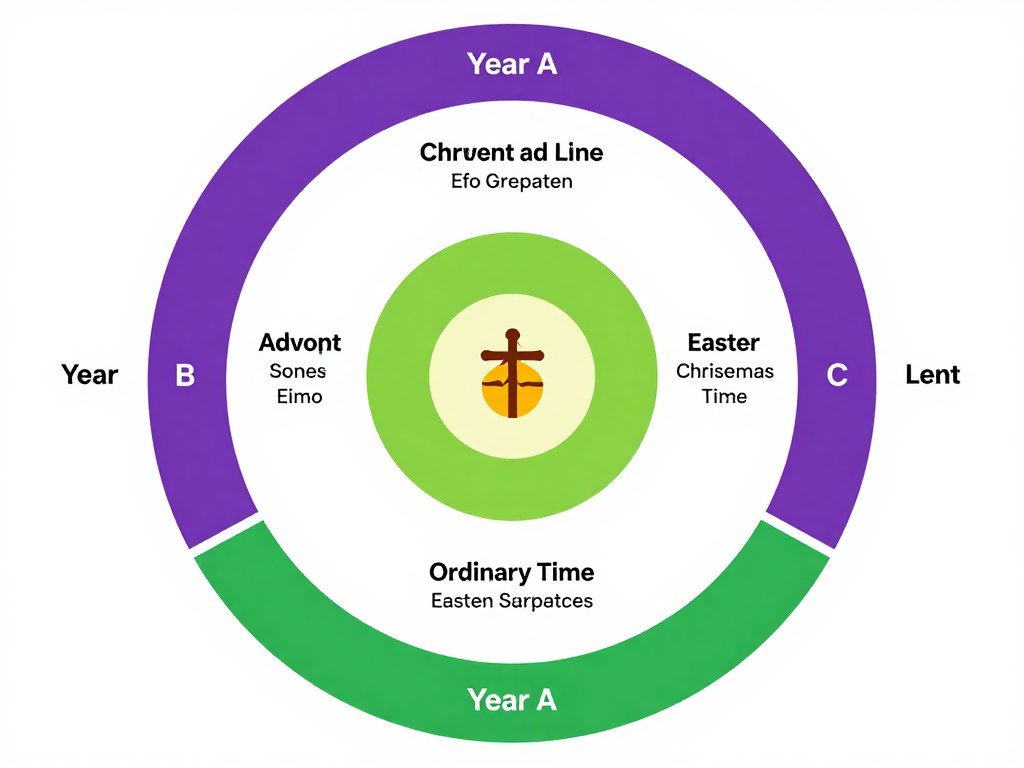
Understanding which year the Church is currently celebrating helps you follow the flow of Sunday Homily themes throughout the seasons. Most Catholic parishes provide this information in their bulletins, and the cycle follows a consistent pattern that becomes familiar over time.
Quick Reference: Determining the Current Year
Year A features the Gospel of Matthew and typically falls in years divisible by three. Year B showcases Mark’s Gospel, and Year C highlights Luke’s narrative. The Gospel of John appears during special seasons across all three years, particularly during Easter and certain feast days.
This rotation ensures that no single Gospel dominates our hearing, and that we receive the full witness of the early Church’s testimony about Jesus Christ. The Acts of the Apostles also features prominently during the Easter season, reminding us how the first disciples lived their faith in the days following the resurrection.
Year A – The Gospel of Matthew: The Teaching Church
Liturgical Calendar Year A centers on the Gospel of Matthew, often called the “teaching Gospel” because of its emphasis on Jesus as the new Moses delivering God’s law. Matthew’s account includes the famous Sermon on the Mount, extensive parables about the Kingdom of Heaven, and clear instructions for the Church community.
Throughout Year A, Sunday Homily reflections often focus on themes of discipleship, righteousness, and the fulfillment of Old Testament prophecies. Matthew wrote primarily for a Jewish-Christian audience, so his Gospel continuously demonstrates how Jesus completes what was promised in ancient Scripture. This connection between old and new covenant provides rich material for contemporary application.
Year A Emphasis: Formation in Christian living, the Beatitudes, parables of the Kingdom, the Great Commission. Expect Sunday Sermons that challenge moral living and community building within the Church.
Year B – The Gospel of Mark: The Suffering Servant
Catholic Homily Year B draws primarily from Mark’s Gospel, the shortest and most action-oriented of the four accounts. Mark presents Jesus as the suffering servant who acts with authority and urgency. His narrative moves quickly from one event to another, creating a sense of immediate presence with Christ.
Because Mark’s Gospel is brief, the Church supplements Year B readings with extensive passages from John’s Gospel, particularly John chapter six on the Bread of Life. This creates a unique liturgical rhythm where the mystery of the Eucharist receives special attention during Ordinary Time.
Sunday Homilies in Year B often explore themes of faith amid suffering, the cost of discipleship, and the mystery of Christ’s identity. Mark’s urgent tone challenges listeners to respond immediately to God’s call, making these readings particularly powerful for spiritual renewal.
Year C – The Gospel of Luke: Mercy and Justice
Catholic Homily Year C features Luke’s Gospel, known for its emphasis on God’s mercy, concern for the poor, and the universal scope of salvation. Luke, a physician and companion of Paul, writes with particular attention to marginalized people and to women’s roles in salvation history.
The distinctive parables of Year C include the Good Samaritan, the Prodigal Son, and the Rich Man and Lazarus. These stories provide profound material for Sunday Homily development, addressing social justice, reconciliation, and the proper use of wealth. Luke’s Gospel challenges comfortable Christianity and calls believers to radical compassion.
Year C also includes extensive readings from the Acts of the Apostles during Easter season, as Luke authored both his Gospel and Acts. This connection shows the continuity between Jesus’ earthly ministry and the Church’s mission in the world today, providing natural homily themes about evangelization and community life.
Receive Weekly Sunday Homily Reflections
Join over 50,000 Catholics who deepen their faith journey with our thoughtful Sunday Homily reflections delivered directly to your inbox each week. Prepare your heart for Mass with insights from ordained priests and theologians.
Free No Spam Unsubscribe Anytime
Sunday Homily Resources by Liturgical Season
The Catholic Church organizes the liturgical year into distinct seasons, each with its own spiritual character and focus. Understanding these seasons helps you appreciate how Sunday Homilies develop themes progressively throughout the year. Each season offers unique opportunities for spiritual growth and reflection.
The following sections provide a comprehensive overview of how Catholic Sunday Readings flow through the Church year. These resources serve as a foundation for personal prayer, homily preparation, or catechetical instruction. Whether you seek a Daily Homily for personal reflection or Sunday Sermon ideas for ministry, these seasonal guides offer valuable starting points.
Advent: Preparing for Christ’s Coming

Advent marks the beginning of the liturgical year and spans the four Sundays before Christmas. This season calls us to watchful waiting and spiritual preparation. Sunday Homilies during Advent focus on themes of hope, repentance, and readiness for Christ’s coming in three ways: his historical birth, his presence today, and his future return.
The first two Sundays of Advent emphasize Christ’s second coming and final judgment, while the latter Sundays shift focus to the immediate preparation for Christmas. John the Baptist features prominently in the Gospel Reflections, calling us to make straight the way of the Lord through conversion and justice.
Advent homilies challenge modern culture’s rush toward Christmas, inviting us instead to embrace patient waiting and spiritual preparation. The season’s purple vestments remind us that joyful celebration comes only after sincere repentance and transformation.
Christmas: Celebrating the Incarnation
The Christmas season extends beyond December twenty-fifth, continuing through the Feast of the Baptism of the Lord in early January. This time celebrates the mystery of the Incarnation and God’s decisive entry into human history. Sunday Homilies during Christmas explore the profound theological truth that the Word became flesh and dwelt among us.
Key feasts during this season include the Holy Family, Mary Mother of God, and the Epiphany. Each celebration offers distinct homily themes, from domestic church life to the universal scope of salvation extending to all nations. The readings from John’s Gospel during this time provide deep theological reflection on the Incarnation’s meaning.
Lent: Journey to Easter Through the Desert

Lent’s forty days mirror Jesus’ time in the desert and Israel’s wilderness wandering. This penitential season prepares us for Easter through prayer, fasting, and almsgiving. Sunday Homilies during Lent call us to deeper conversion, examining our lives in light of Gospel truth and embracing practices that purify our hearts.
The Lenten Sunday readings follow a specific pattern across the three-year cycle. The first Sunday always recounts Jesus’ temptation, the second his Transfiguration. The remaining Sundays in Year A focus on baptismal preparation through Gospel stories of the woman at the well, the man born blind, and the raising of Lazarus. These readings are so central to Christian initiation that they may be used in any year.
As Lent progresses, Mass Readings intensify their focus on Christ’s approaching passion. The Fifth Sunday often addresses themes of death and resurrection, preparing hearts for Holy Week. Homilies during this time challenge superficial religiosity and call for authentic discipleship that embraces the cross.
Easter: Fifty Days of Resurrection Joy
Easter is not a single day but a fifty-day season culminating in Pentecost. This is the Church’s most important liturgical time, celebrating Christ’s victory over death and the gift of the Holy Spirit. Sunday Homilies during Easter proclaim the resurrection’s transformative power and explore what it means to be an Easter people.
The Acts of the Apostles replaces the Old Testament first reading throughout Easter season, showing how the early Church lived in resurrection faith. These readings provide rich material for homilies about evangelization, community life, and courage in witness. The second reading typically comes from the First Letter of John or First Peter, emphasizing new life in Christ.
Easter Season Themes
- Resurrection appearances and the reality of Christ’s risen body
- The mission of the Church empowered by the Holy Spirit
- Baptismal renewal and living our baptismal promises
- The Good Shepherd and Christ’s care for his flock
- Jesus’ farewell discourse and promise of the Advocate
Key Easter Celebrations
- Divine Mercy Sunday (Second Sunday of Easter)
- Good Shepherd Sunday (Fourth Sunday of Easter)
- Ascension of the Lord (forty days after Easter)
- Pentecost Sunday (fifty days after Easter)
- Trinity Sunday (first Sunday after Pentecost)
Ordinary Time: Growing in Discipleship
Ordinary Time comprises the weeks outside the major liturgical seasons, occurring in two segments: from the Baptism of the Lord until Ash Wednesday, and from Pentecost until Advent. Despite its name, Ordinary Time is extraordinary in its focus on Jesus’ public ministry and teaching. This is when we walk with Christ through Galilee, hearing his parables and witnessing his miracles.
Sunday Homilies during Ordinary Time follow a semi-continuous reading of the synoptic Gospels, allowing sustained engagement with each evangelist’s unique perspective. These weeks provide opportunities to explore Christian ethics, prayer life, community relationships, and practical discipleship. The green vestments symbolize growth in faith and hope.
The final Sundays of Ordinary Time turn our attention to end times and Christ’s kingship, preparing us to begin the cycle again with Advent’s themes of watchfulness and hope. This circular pattern reminds us that the liturgical year is not linear progress but a spiral of deepening encounter with the same mysteries at ever-greater depth.
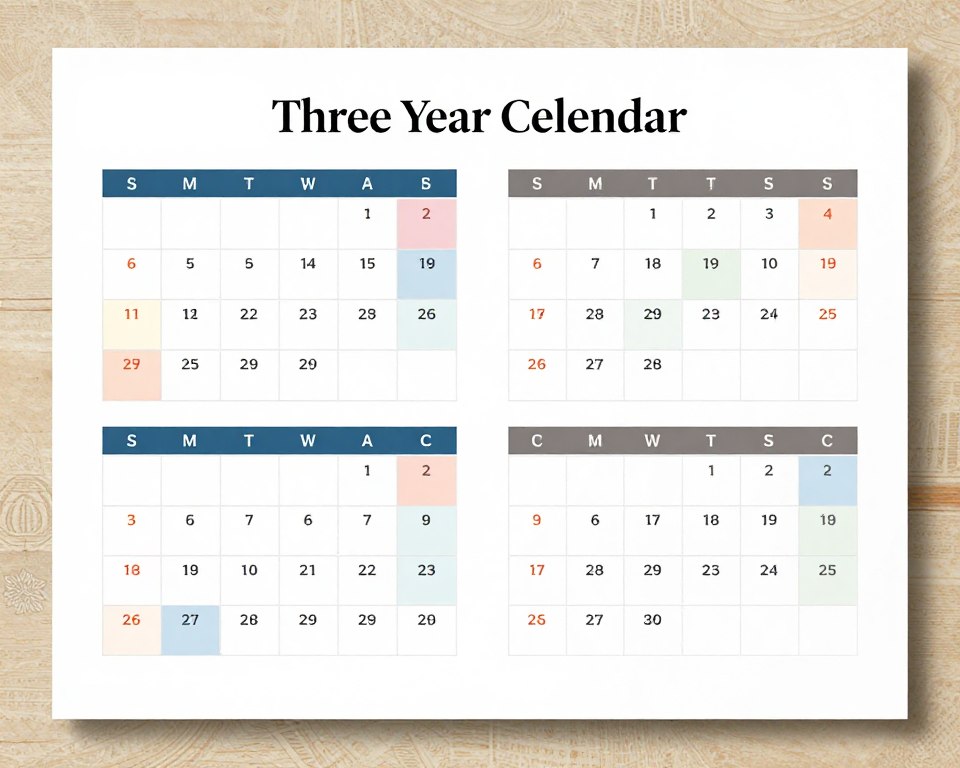
Download Your Free 3-Year Liturgical Calendar
Never miss the Gospel cycle or liturgical season with our comprehensive calendar covering Years A, B, and C. This beautifully designed resource includes all major feasts, color-coded seasons, and daily Mass reading references. Perfect for priests, catechists, and engaged laity.
- Complete three-year cycle at a glance
- Color-coded liturgical seasons
- Major feast days and solemnities marked
- Printable PDF format for easy reference
How to Use These Homilies for Spiritual Growth
A Sunday Homily heard during Mass can transform your week when you carry its message into daily life. The ancient practice of Lectio Divina, or sacred reading, provides a method for deeper engagement with Scripture and homily reflections. This contemplative approach moves beyond intellectual understanding to genuine spiritual encounter.

Begin by reading the Sunday Mass Readings earlier in the week, allowing the texts to settle into your consciousness before attending Mass. Many Catholics find that reviewing the Gospel on Saturday evening prepares their hearts for Sunday worship. This anticipatory reading creates space for the Holy Spirit to work throughout the week.
The Four Movements of Lectio Divina
Lectio (Reading)
Read the Sunday Gospel slowly and attentively, perhaps multiple times. Notice words or phrases that catch your attention. Allow the text to speak without rushing to interpretation or application.
Meditatio (Meditation)
Reflect on the passage’s meaning for your life today. What is God saying to you personally through these words? How does this Gospel Reflection challenge or comfort you in your current circumstances?
Oratio (Prayer)
Respond to God in prayer, sharing your thoughts, feelings, and reactions to the Word. This conversation might include gratitude, petition, confession, or simple presence. Speak honestly from your heart.
Contemplatio (Contemplation)
Rest silently in God’s presence, releasing all words and thoughts. Simply be with the Lord, allowing divine love to work within you. This wordless prayer opens space for transformation.
Practical Ways to Integrate Sunday Homilies
Spiritual Reading extends beyond personal prayer to family and community practices. Consider gathering your household on Sunday evening to discuss the day’s homily and readings. Ask children what they remember from the Gospel or what questions they have. These conversations plant seeds of faith that grow over time.
Weekly Integration Practice
Sunday: Attend Mass attentively, taking notes on the homily’s main points.
Monday-Wednesday: Reflect on one aspect of the Sunday readings each day.
Thursday-Friday: Apply the homily’s message to specific life situations.
Saturday: Review the upcoming Sunday readings and prepare your heart.
Many people find that keeping a spiritual journal enhances their engagement with Sunday Homilies. After Mass, spend a few minutes writing down the homily’s key insights, your personal reactions, and specific ways you hope to live the message this week. Return to these notes throughout the week.
Small faith-sharing groups organized around the Sunday readings create accountability and deeper understanding. When we articulate our faith insights to others and hear their perspectives, the Word of God becomes richer and more applicable to diverse life situations.
Resources for Deeper Study
Beyond the Sunday Homily itself, numerous resources can deepen your understanding of Scripture and liturgy. Catholic biblical commentaries provide historical and theological context for the readings. The United States Conference of Catholic Bishops offers daily Mass readings online with links to audio versions for those who prefer listening.
Recommended Study Tools: The Catechism of the Catholic Church provides doctrinal context for Scripture passages. The Liturgy of the Hours connects daily prayer with the Church’s universal worship. Biblical concordances help trace themes across different books of Scripture.
Remember that the goal is not academic mastery but spiritual transformation. The Word of God is living and active, penetrating our hearts and minds to create genuine conversion. Approach Gospel Reflections with both intellect and heart, seeking not just to know about God but to know God personally through Christ.
Featured Sunday Homily: Preparing the Way
The following sample demonstrates the depth and accessibility characteristic of quality Sunday Homily reflections. This homily addresses the Second Sunday of Advent, Year B, when John the Baptist’s call to repentance echoes across the centuries to our present moment.
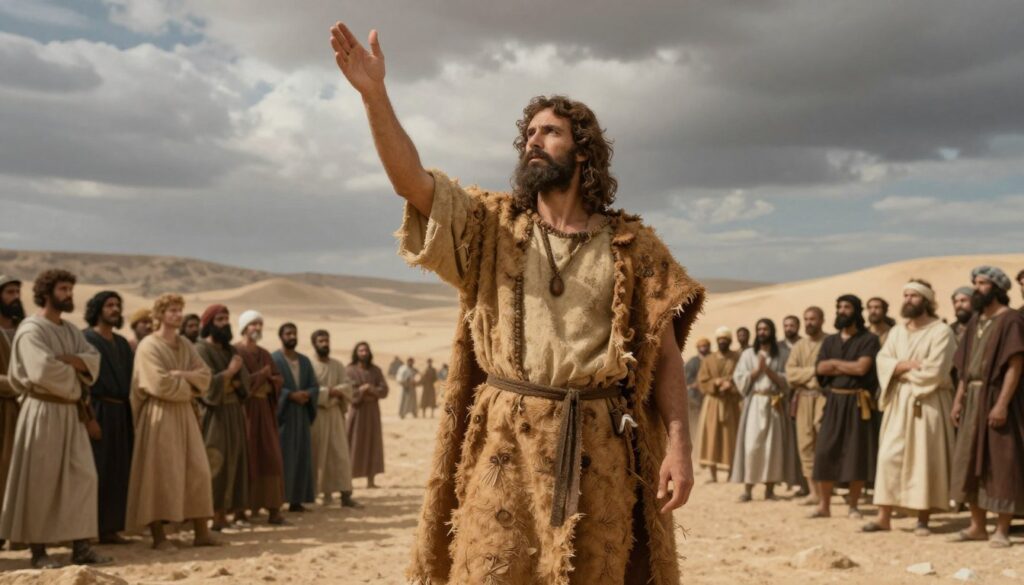
Sample Sunday Homily: Preparing the Way (Second Sunday of Advent, Year B)
“A voice cries out in the wilderness: Prepare the way of the Lord, make straight his paths.” These ancient words from Isaiah find new voice in John the Baptist, and they continue to resound in our own wilderness today.
The wilderness where John preached was not merely a geographical location but a spiritual reality. It represented the place outside comfortable religion, beyond the walls of Jerusalem’s temple, in the harsh space where pretense cannot survive. John called people to leave their secure places and venture into this challenging terrain where genuine transformation becomes possible.
Today we face our own wilderness experiences. The desert might be a time of suffering, doubt, or transition. It might be the barren place in our prayer life where God seems distant. Or it could be the wilderness of modern life itself, where spiritual values struggle to survive amid competing demands and endless distractions.
John’s message of repentance means more than feeling sorry for sins. The Greek word metanoia signifies a complete turning around, a fundamental reorientation of our lives toward God. This Advent, what crooked paths in our lives need straightening? What valleys of despair need lifting up? What mountains of pride need leveling?
The Baptist’s clothing of camel hair and diet of locusts and wild honey reveal his radical commitment. He held nothing back, allowing God’s word to consume his entire existence. While we are not all called to such dramatic asceticism, Advent invites us to examine where we hold back from God, what comfortable attachments prevent our full surrender.
Notice that John prepares the way not for himself but for another. “One mightier than I is coming after me,” he proclaims. True spiritual leadership always points beyond itself to Christ. In our ministries, relationships, and daily work, are we preparing the way for Jesus to enter, or do we subtly seek our own glory?
The wilderness, paradoxically, becomes the place of encounter. When we strip away superficial securities and face our spiritual poverty honestly, we create space for Christ to come. This Advent, let us embrace whatever wilderness God allows in our lives, trusting that it prepares us for deeper meeting with the One who comes to save.
As John baptized with water, Jesus will baptize with the Holy Spirit and fire. The same Spirit that descended on Jesus at his baptism wants to descend on us, transforming our wilderness into a garden where God’s life flourishes. The fire purifies what resists grace and ignites passionate love for God and neighbor.
The Art and Theology of Homily Preparation
For priests and deacons entrusted with preaching, Sunday Homily preparation represents both privilege and responsibility. The homily is not merely a talk about religion but a sacred moment where Scripture becomes living word for the assembly. Effective homiletic preparation balances prayer, study, and pastoral sensitivity.
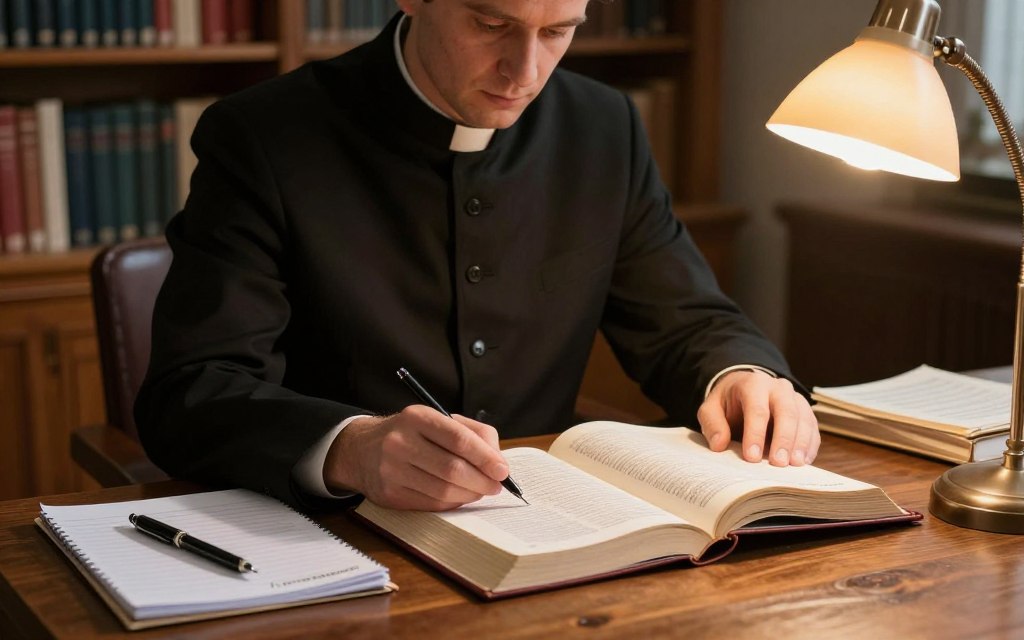
Essential Principles for Effective Preaching
The document Fulfilled in Your Hearing, published by the U.S. Bishops’ Committee on Priestly Life and Ministry, identifies the assembly as the primary context for homily preparation. Before asking what the text means abstractly, the preacher asks what these readings mean for this particular community at this specific time. The Word of God always addresses concrete human situations.
Prayer and Study Foundation
Begin preparation early in the week by praying with the Sunday readings. Allow Scripture to work in your own heart before attempting to preach to others. Lectio Divina practiced personally creates authentic witness rather than mere oratory.
Consult reputable biblical commentaries to understand the historical, literary, and theological dimensions of the texts. The Catechism of the Catholic Church provides doctrinal context. But never let academic study replace personal encounter with God’s word.
Consider how the first reading, psalm, second reading, and Gospel interact thematically. The Lectionary’s arrangement is not random but reflects the Church’s wisdom in pairing texts. Noting these connections enriches homily development.
Pastoral Application
Know your people. What struggles do they face this week? What joys and sorrows fill their lives? How does this Gospel speak to single parents, struggling teens, the elderly, those facing illness? Specific pastoral awareness makes preaching relevant.
Avoid moralizing or reducing the Gospel to ethical imperatives. The Sunday Homily proclaims good news, not merely good advice. Focus on what God does for us in Christ before discussing what we must do in response. Grace precedes demand.
Tell stories that illuminate Scripture rather than overshadowing it. Personal anecdotes, historical examples, and contemporary illustrations serve the text when they reveal its meaning for today. But the homily’s subject remains God’s action, not human interest.
Structuring the Sunday Homily
Opening (1-2 minutes)
- Capture attention with compelling opening
- Name the central question or tension
- Connect to people’s lived experience
- Avoid lengthy introductions or apologies
Body (5-7 minutes)
- Develop one central theme coherently
- Ground insights in the Scripture texts
- Offer theological depth accessibly
- Include specific, concrete examples
- Maintain logical flow between points
Conclusion (1-2 minutes)
- Summarize the core message clearly
- Issue concrete call to action
- Connect to upcoming week’s life
- End with hope and encouragement
The ideal Sunday Homily length remains eight to twelve minutes. Longer preaching loses people’s attention and diminishes the liturgy’s other elements. Shorter preaching may leave people hungry for substance. Respect both the importance of the Word and the integrity of the full liturgical action.
Common Pitfalls to Avoid
Warning: These frequent homily mistakes undermine effective preaching and should be carefully avoided in Sunday Sermon preparation.
- Ignoring the Scripture: Using the readings as mere launching point for personal agenda rather than allowing God’s word to set the direction
- Excessive Abstraction: Speaking in theological generalities without concrete application to daily Christian living
- Moralizing Without Gospel: Presenting Christianity as primarily ethical system rather than relationship with Christ
- Cultural Irrelevance: Using examples and language disconnected from people’s actual lives and concerns
- Lack of Preparation: Relying on last-minute inspiration rather than disciplined study and prayer throughout the week
- Controversial Politics: Reducing Gospel to partisan positions rather than challenging all political ideologies by kingdom values
Resources for Ongoing Homiletic Formation
The Preaching the Mystery of Faith resource from the USCCB provides excellent guidance on homily preparation aligned with the liturgical year. The Homiletic Directory from the Congregation for Divine Worship offers theological foundation for Catholic preaching. Regular engagement with these documents strengthens homiletic practice.
Preaching groups where clergy gather to share upcoming homilies provide valuable feedback and accountability. These collegial settings allow preachers to test ideas, receive constructive criticism, and learn from one another’s insights. The communal dimension enriches individual preparation.
Recording and reviewing your own homilies, while humbling, reveals patterns that listeners experience but you may not notice. Do you use filler words excessively? Does your voice convey passion or merely routine? Is your eye contact engaging? Honest self-assessment leads to growth.
Deep Dive: Living the Liturgical Year
The liturgical calendar represents far more than an organizational tool for Mass Readings. It embodies the Church’s pedagogy, teaching us the faith through cyclical immersion in the paschal mystery. Each year we journey with Christ from birth through death to resurrection, and each cycle deepens our participation in his saving work.
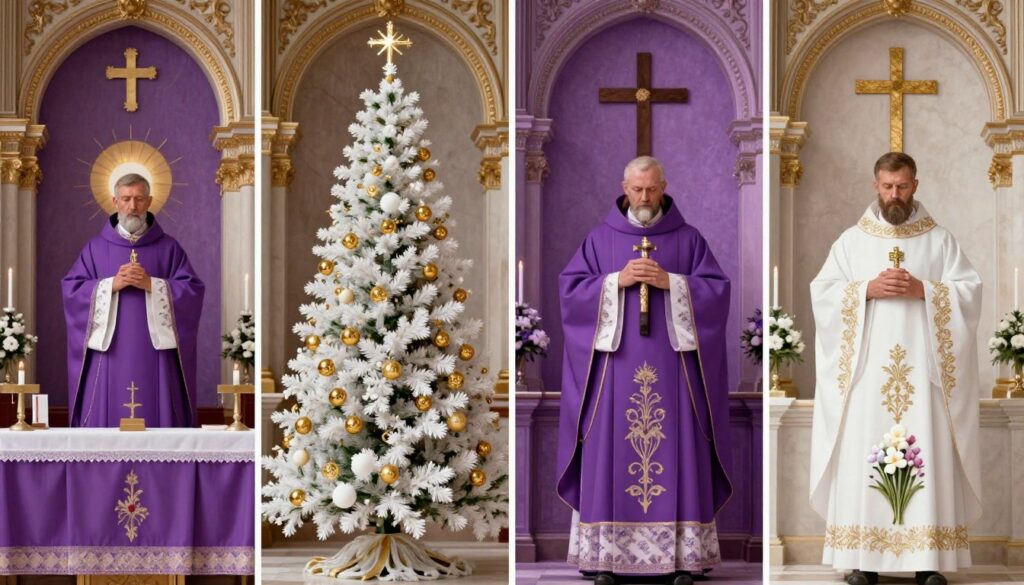
The Rhythm of Sacred Time
Unlike secular time that moves linearly toward progress and achievement, liturgical time moves cyclically toward transformation and deepening. We do not “get past” Christmas or Easter but return to these mysteries annually at a different place in our spiritual journey. The repetition is not boring redundancy but life-giving spiral.
This cyclical rhythm counters our culture’s obsession with novelty and constant stimulation. In a world of endless content and perpetual distraction, the Church invites us to slow down, to wait, to return again to the same essential truths. This countercultural stance itself evangelizes, offering an alternative to exhausting perpetual change.
Seasons and Sanctification
Each liturgical season carries distinct spiritual dynamics that shape our interior lives when we embrace them intentionally. Advent’s watchful waiting teaches patience and hope. Christmas’s celebration invites wonder and gratitude. Lent’s austerity cultivates self-knowledge and repentance. Easter’s joy strengthens resurrection faith.
The seasons work together as a comprehensive program of spiritual formation. We cannot remain in Christmas joy forever without Lent’s purification. We cannot endure Lenten discipline without Easter’s promise. The rhythm itself teaches us about the Christian life’s natural ebb and flow.
Liturgical Colors and Their Meaning
Purple/Violet: Penance, preparation, royalty (Advent and Lent)
White/Gold: Joy, purity, glory (Christmas and Easter)
Green: Growth, hope, ordinary life (Ordinary Time)
Red: Holy Spirit, martyrdom (Pentecost, martyrs’ feasts)
Rose: Anticipatory joy (Third Sunday Advent, Fourth Sunday Lent)
Integrating Home and Church Calendars
Many Catholic families create domestic liturgical practices that extend the church’s celebration into home life. Advent wreaths mark the weeks before Christmas with progressive light. Jesse trees tell salvation history through ornaments. Lenten almsgiving boxes gather sacrificial giving. These simple practices form children in the faith’s rhythm.
The liturgical year also provides natural evangelization opportunities. When coworkers ask about ashes on Ash Wednesday, we can share Lent’s meaning. When neighbors notice Advent wreaths, conversations about preparing for Christ can unfold. Living the Church calendar visibly witnesses to different priorities and values.
Family Practice Suggestion: Create a simple home altar that changes with the liturgical seasons. Use colored cloths matching the church’s vestments, display seasonal symbols, and pray together briefly each day using that Sunday’s Gospel. This practice roots family life in the Church’s larger prayer.
Feast Days and Sanctoral Cycle
Beyond the Sunday cycle, the Church celebrates saints’ feast days throughout the year. While these memorials don’t replace the Sunday readings, they remind us of the communion of saints and provide models of holiness for our imitation. Major solemnities like the Assumption or All Saints take precedence even when falling on Sundays.
The sanctoral cycle balances the temporal cycle’s focus on Christ’s mysteries with attention to how those mysteries have been lived in human lives across centuries and cultures. Saints from every continent, era, and vocation show that holiness remains possible in all circumstances. Their feast days inspire and encourage our own discipleship.
Practical Applications: From Homily to Holy Living
The Sunday Homily fulfills its purpose only when it transforms lives beyond the church building. Bridging the gap between Sunday worship and Monday morning requires intentional practices that keep the Gospel message active throughout the week. The following strategies help embed homily insights into daily Christian living.
The Monday Morning Question
Begin each week by asking one simple question: “Based on yesterday’s homily and readings, what is one concrete way I will live differently this week?” Write down your answer and review it daily. This focused intention prevents the Sunday message from evaporating amid weekday demands.

For Parents
Sunday dinner provides natural space for family discussion of the day’s Gospel and homily. Ask children what they heard and understood. Share one way the family will live the message together this week. Make it specific and achievable.
For Professionals
Consider how Sunday’s message applies to your workplace ethics, relationships with colleagues, or approach to work itself. Does the Gospel challenge any business practices? Does it inspire new ways of serving others through your profession?
For Students
Connect the Sunday readings to your studies. How might this week’s Gospel inform your understanding of literature, history, science, or the arts? What does faith-informed learning look like in practice?
Building a Weekly Rhythm
- Sunday Evening: Reflect on the day’s homily using the Lectio Divina method. Journal key insights and one specific application for the coming week.
- Monday-Tuesday: Pray with the Sunday Gospel each morning, asking how it speaks to that day’s challenges and opportunities.
- Wednesday: Midweek check-in on your Monday morning intention. Are you actually living the commitment you made? What obstacles have arisen?
- Thursday-Friday: Look ahead to next Sunday’s readings. Begin praying with them, preparing your heart for worship.
- Saturday: Review the week in light of Sunday’s message. Where did you succeed in living the Gospel? Where did you fall short? Prepare for confession if needed and Sunday Mass ahead.
Technology Tools for Gospel Living
Several smartphone apps support living the Sunday readings throughout the week:
- Laudate provides daily Mass readings and prayers
- Hallow offers guided meditations on Scripture
- iBreviary delivers the Liturgy of the Hours
- Relevant Radio streams Catholic programming
While technology serves faith, ensure it doesn’t replace face-to-face community and direct Scripture reading.
Accountability and Community
Individual commitment flourishes when supported by community accountability. Consider forming a small group that meets weekly to discuss the previous Sunday’s readings and homily. Share how you lived the message and pray for one another’s continued growth. This mutual encouragement strengthens perseverance.
Parish-based small faith communities structured around the Sunday readings create natural evangelization pathways. When members invite seeking friends to these discussions, they encounter Scripture and Catholic teaching in welcoming, accessible settings. Gospel Reflections shared among peers often penetrate hearts that formal instruction cannot reach.
Frequently Asked Questions About Sunday Homilies
What is the difference between a homily and a sermon?
In Catholic tradition, a homily is a specific form of preaching that occurs during Mass and directly expounds upon the Scripture readings proclaimed that day. The word “homily” comes from the Greek word meaning “conversation” or “discourse,” emphasizing its intimate, pastoral character.
A sermon, by contrast, can be preached outside the liturgical context and may address any religious topic, not necessarily tied to specific Scripture passages. Protestant traditions often use “sermon” for their Sunday preaching, while Catholics reserve “homily” for the liturgical reflection following the Gospel.
The Catholic homily is never optional at Sunday Mass and major feast days. Church law requires it, recognizing the homily’s essential role in breaking open God’s word for the gathered assembly. The homilist interprets Scripture within the context of Catholic tradition and applies it to contemporary Christian living.
What are the readings for Sunday Mass and how are they chosen?
Sunday Mass typically includes three Scripture readings plus a responsorial psalm. The first reading usually comes from the Old Testament (though during Easter season it comes from Acts of the Apostles). The second reading comes from the New Testament letters. The Gospel reading, the liturgy’s culmination, proclaims Jesus Christ’s words and deeds.
The Catholic Church uses a three-year Lectionary Cycle that ensures comprehensive exposure to Scripture. Year A features Matthew’s Gospel, Year B focuses on Mark (supplemented by John), and Year C highlights Luke. John’s Gospel appears during major feasts and seasons across all three years, particularly during Lent and Easter.
The first reading is often chosen to harmonize thematically with the Gospel, showing how Christ fulfills Old Testament promises. The psalm responds to the first reading, while the second reading follows a semi-continuous pattern through the New Testament letters, providing systematic teaching on Christian doctrine and ethics.
Which Gospel is read in Year B of the liturgical cycle?
Year B of the Catholic liturgical cycle features the Gospel of Mark as its primary text. Mark’s Gospel is the shortest of the four, emphasizing Jesus as the suffering servant and presenting a fast-paced narrative of Christ’s ministry, passion, and resurrection.
Because Mark’s Gospel is relatively brief, the Church supplements Year B with substantial portions of John’s Gospel, particularly chapter six on the Bread of Life. These Johannine readings occur during Ordinary Time and provide profound theological reflection on the Eucharist, complementing Mark’s action-oriented narrative.
Year B homilies often explore themes of discipleship amid suffering, the mystery of Jesus’ identity, and the cost of following Christ. Mark’s urgent, immediate style creates powerful opportunities for preaching about authentic faith and radical commitment to the Gospel.
Can I access Sunday Homilies online if I miss Mass?
Yes, many Catholic parishes and dioceses now livestream Sunday Mass, including the homily, making it accessible to those unable to attend physically due to illness, disability, or other serious reasons. These broadcasts serve the homebound and allow participation when presence is truly impossible.
However, watching Mass online does not fulfill the Sunday obligation for those capable of attending in person. The Catholic faith emphasizes bodily presence at the Eucharistic celebration, receiving Holy Communion, and gathering with the local faith community. Online access serves as supplement or necessity, not replacement for participation.
Numerous websites also publish written Sunday Homily reflections that can aid personal prayer and study. These resources help people prepare for Mass or reflect more deeply on the readings afterward. They complement but never substitute for the preached word and sacramental encounter at your parish church.
Year-Round Homily Themes: A Complete Guide
Understanding the major themes that recur throughout the liturgical year helps both preachers and listeners appreciate the Church’s pedagogical wisdom. The following themes appear consistently across all three years, though each year approaches them through its distinctive Gospel lens.
Core Theological Themes
| Theme | Key Seasons | Central Message | Practical Application |
| Kingdom of God | Ordinary Time, Advent | God’s reign breaks into history through Christ and continues in the Church | Living under Christ’s lordship in all life areas |
| Repentance and Conversion | Advent, Lent | Turning from sin toward God requires ongoing transformation | Regular confession, examination of conscience, moral growth |
| Incarnation and Emmanuel | Advent, Christmas | God becomes human to save humanity and dwell among us | Finding God in ordinary life, human dignity, sacramentality |
| Paschal Mystery | Lent, Easter | Christ’s death and resurrection save us and pattern Christian life | Embracing suffering redemptively, living in resurrection hope |
| Discipleship and Mission | Ordinary Time, Easter | Followers of Christ share his mission of proclaiming and embodying the Gospel | Evangelization, service to others, witness in the world |
| Eucharist and Sacramental Life | Easter, Ordinary Time (especially Year B) | Sacraments mediate Christ’s grace and form Christian community | Regular Mass attendance, worthy reception, living sacramental identity |
Social Justice and Mercy Themes
Catholic social teaching permeates the Sunday readings, particularly in Year C’s emphasis on Luke’s Gospel. Homilies addressing social justice connect faith to concrete action on behalf of the poor, marginalized, and suffering. These themes challenge individualistic spirituality and call forth communal responsibility.
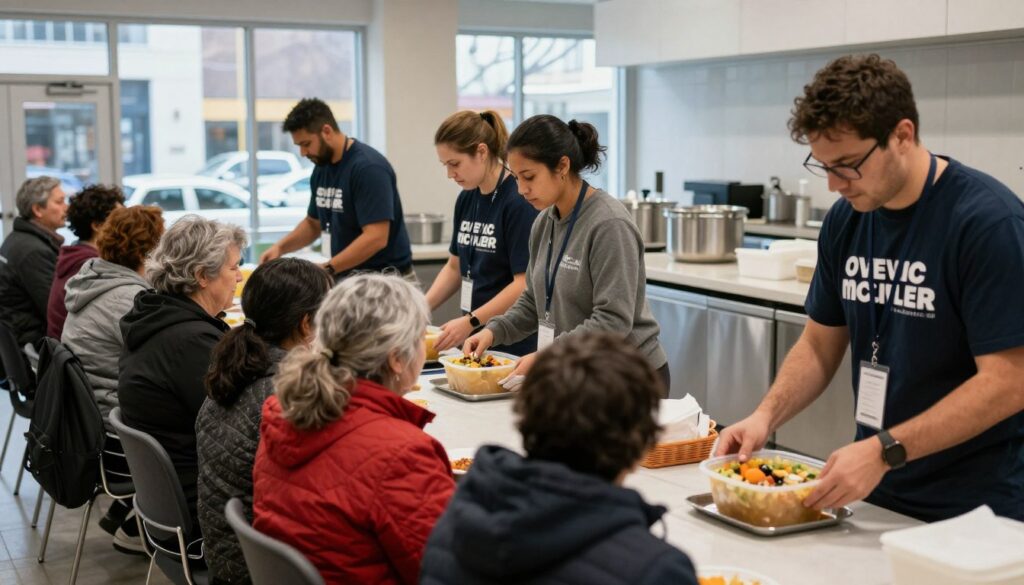
Preferential Option for the Poor
Scripture consistently shows God’s special concern for the vulnerable, poor, widow, orphan, and stranger. Sunday Homilies must challenge comfortable Christianity and call the faithful to concrete solidarity with those society marginalizes. This is not political ideology but Gospel imperative.
Practical applications include supporting parish outreach programs, advocating for just policies, examining personal consumption patterns, and building authentic relationships across economic divides. The test of our faith is how we treat the least among us.
Dignity of Human Life
From conception to natural death, every human being possesses sacred dignity as God’s image-bearer. Homilies address this theme across multiple contexts including abortion, euthanasia, capital punishment, immigration, racism, and economic exploitation.
Consistent life ethic preaching challenges selective moral concern, calling Catholics to defend life comprehensively. This includes both personal moral choices and advocacy for systemic justice that protects the vulnerable at every stage and condition.
Marian and Ecclesial Themes
Mary, the Mother of God, appears throughout the liturgical year as model disciple and intercessor. Major Marian feasts like the Immaculate Conception, Assumption, and various appearances provide homily opportunities to explore discipleship, divine motherhood, and the communion of saints.
Ecclesial themes address the nature, mission, and life of the Church. Homilies on these Sundays might explore the Church as Body of Christ, sacrament of salvation, pilgrim people, or bride of Christ. They address both the Church’s holiness and her members’ sinfulness, calling for reform and renewed faithfulness.
Don’t Approach Sunday Unprepared
Join thousands of Catholics who begin their week spiritually prepared through our Sunday Homily reflections. Receive thoughtful, theologically sound insights on the weekly Mass readings delivered to your inbox every Friday. Prepare your heart for worship and deepen your understanding of Scripture.
This Sunday’s homily awaits. Free resources. No spam. Unsubscribe anytime.
Trusted by over 50,000 Catholics across 47 dioceses since 2008.
Living the Sunday Homily: A Lifelong Journey
The Sunday Homily represents more than weekly religious instruction. It embodies the Church’s ongoing conversation with Scripture, applying timeless truth to contemporary circumstances. When we approach each Sunday with open hearts, the proclaimed word becomes living word that transforms our lives and communities.
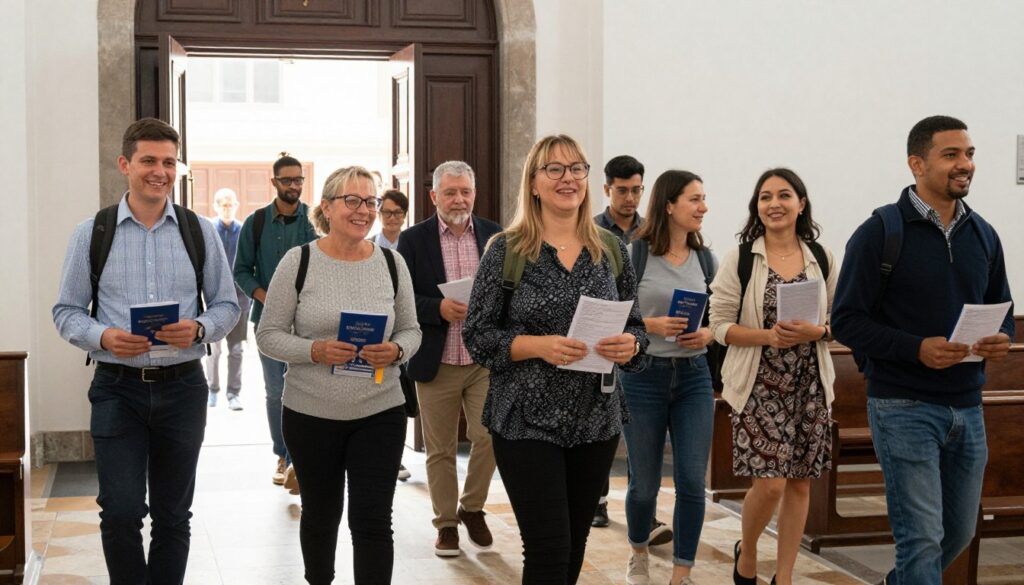
The three-year Lectionary Cycle ensures comprehensive engagement with Scripture’s breadth and depth. By attentively following the Catholic Sunday Readings across Years A, B, and C, we immerse ourselves in the full biblical witness to God’s self-revelation in Christ. This systematic exposure forms us as disciples and equips us for mission in the world.
Whether you prepare Sunday Sermons as ordained minister, lead catechetical programs, or simply seek deeper faith, the resources and insights shared in this guide provide foundation for ongoing growth. The Sunday Homily tradition stretches back to the earliest Church, connecting us with centuries of believers who gathered to break bread and break open the Word.
As you continue your journey through the liturgical year, remember that encountering Christ in Scripture requires both intellect and heart, study and prayer, individual reflection and communal worship. The Gospel Reflections you receive each Sunday invite personal response and communal living. May your engagement with the Sunday Homily bear fruit in authentic Christian witness.
The Church’s liturgical life offers rhythm, beauty, and depth often absent from secular existence. By aligning our lives with this sacred calendar and allowing the Sunday readings to shape our consciousness, we discover that time itself becomes sacramental, mediating grace and drawing us ever deeper into the mystery of Christ.
“The word of God is living and active, sharper than any two-edged sword, piercing to the division of soul and spirit, discerning the thoughts and intentions of the heart.” (Hebrews 4:12)
Technical SEO Information
Suggested URL Slug:
yourdomain.com/sunday-homily
Image Alt Text Suggestions:
- Sunday Homily being delivered by priest at Catholic Mass with engaged congregation
- Three-year Catholic Lectionary Cycle chart showing Years A, B, and C liturgical structure
- Open Bible with Catholic Mass readings for Sunday Gospel reflection
- Liturgical calendar showing Advent, Christmas, Lent, Easter, and Ordinary Time seasons
Schema Markup Recommendations:
- Article schema for main content
- FAQPage schema for FAQ section
- HowTo schema for Lectio Divina process
- Organization schema for site identity
Internal Linking Opportunities:
- Link to individual Year A, B, C homily archive pages
- Link to seasonal homily collections (Advent, Lent, Easter, etc.)
- Link to daily Mass readings page
- Link to liturgical calendar resource
- Link to about page with author credentials
